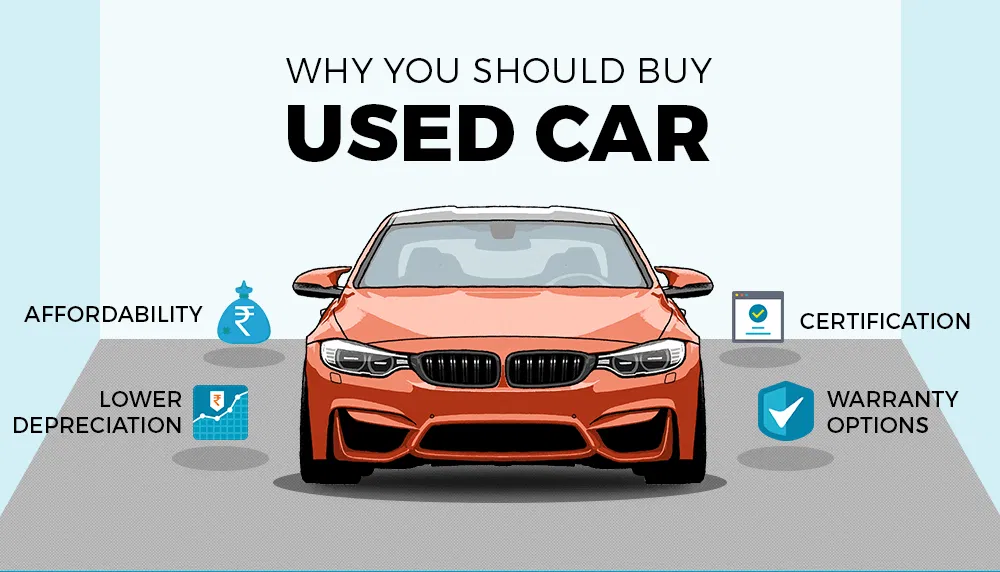
Why Buying a Used Car Makes Sense
Used Cars: Complete Guide on Prices, Tips, Reliability, and Buying Advice – Buying a used car can be a smart choice for many reasons. It’s often more affordable than a new car, and with proper research, you can find reliable vehicles that last for years. Whether you’re looking for your first car or upgrading without breaking the bank, understanding the used car market, prices, and reliability is essential.
A used car lets you get more value for your money. While new cars depreciate quickly in the first few years, a well-maintained used car can serve you for a long time with minimal investment.
Understanding Used Car Prices
Used car prices depend on several factors, including make, model, age, mileage, and condition. Knowing what influences the price helps buyers make informed decisions and avoid overpaying.
Age and Mileage
Generally, older cars with higher mileage cost less. However, mileage isn’t the only factor. A well-maintained car with regular service history can be more valuable than a newer car that hasn’t been cared for properly.
Make and Model
Some brands are known for reliability, while others may have higher maintenance costs. Popular models or cars in high demand can command higher prices, even if they are older.
Market Trends
Supply and demand also affect prices. Seasonal trends, availability of specific models, and changes in fuel prices can influence the cost of used cars. Keeping an eye on these trends helps buyers spot good deals.
Tips for Buying a Used Car
Finding the right used car requires preparation, research, and careful inspection. Here are some essential tips to guide your purchase.
Do Your Research
Before visiting dealerships or private sellers, research the cars you are interested in. Check reviews, common issues, and resale value. This knowledge helps you negotiate and avoid potential pitfalls.
Inspect the Vehicle
Always inspect the car thoroughly. Look for signs of wear, rust, or damage. Checking the tires, brakes, and engine is essential. If possible, bring a trusted mechanic to inspect the vehicle. A professional inspection can save you from expensive surprises later.
Test Drive
A test drive helps you understand how the car handles, accelerates, and brakes. Listen for unusual sounds and pay attention to comfort, visibility, and ease of driving.
Check the History
Request a vehicle history report to uncover past accidents, ownership, and service records. A clean history indicates the car has been well cared for, while repeated accidents or major repairs may signal trouble.
Reliability: Choosing Cars That Last
Reliability is key when buying a used car. Some brands and models are known for lasting hundreds of thousands of miles with minimal problems.
Factors Affecting Reliability
Regular maintenance, driving habits, and climate all influence a car’s longevity. Cars with a complete service history and fewer owners tend to be more reliable.
Recommended Reliable Models
While specific models vary by year and market, brands like Toyota, Honda, and Ford often rank highly for reliability. Research model-specific issues to ensure you choose a vehicle that meets your needs.
Financing and Budget Considerations
Used cars are often cheaper upfront, but understanding total ownership costs is crucial.
Setting a Budget
Determine how much you can afford for the purchase, insurance, and maintenance. Sticking to a budget prevents overspending and ensures the car fits comfortably into your finances.
Financing Options
Many buyers use loans or financing plans when purchasing a used car. Compare interest rates, terms, and monthly payments to find the best option. Paying cash can sometimes give leverage for better deals.
Additional Costs
Don’t forget insurance, registration, taxes, and routine maintenance. A seemingly cheap car can become costly if these factors aren’t considered.
Buying from Dealerships vs. Private Sellers
Each buying method has pros and cons.
Dealerships
Dealerships offer convenience, warranties, and certified pre-owned options. While prices may be slightly higher, the added security and support often make the extra cost worthwhile.
Private Sellers
Buying from private sellers can lead to better prices but comes with higher risk. There’s often no warranty, and you rely on the seller’s honesty. Conducting inspections and checking history reports is crucial here.
Negotiation: Getting the Best Deal
Negotiating is part of buying a used car. Be informed about market prices, the car’s condition, and comparable listings. Start with a reasonable offer and be ready to walk away if the deal doesn’t meet your expectations.
Factors That Strengthen Your Position
A car with minor cosmetic flaws, high mileage, or no service records may allow for a lower price. Being patient and exploring multiple options increases your chances of finding the best deal.
Final Advice: Making the Right Choice
Buying a used car requires a balance of research, inspection, and patience. Don’t rush the process. Take time to compare options, test drive vehicles, and understand their history and reliability.
A well-chosen used car can save money, provide reliable transportation, and even offer years of enjoyable ownership. By focusing on prices, tips, reliability, and careful buying practices, you can make a purchase that meets your needs without surprises.
Conclusion: Smart Buying Leads to Happy Ownership
Used cars offer affordability and flexibility for anyone looking to own a vehicle. Understanding prices, conducting proper research, and evaluating reliability ensures that your investment is sound.
By following these guidelines, you can confidently navigate the used car market, find a car that suits your lifestyle, and enjoy the peace of mind that comes with a smart, informed purchase. With patience and preparation, buying a used car can be a rewarding experience rather than a stressful one.