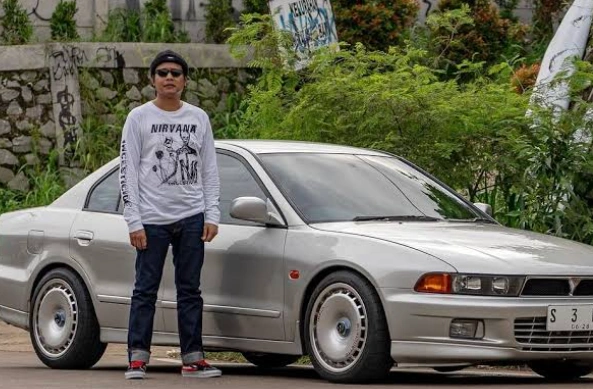
Gofar Hilman’s Concept Car Collaboration Project with Automakers | Gofar Hilman is widely recognized in Indonesia for his strong connection to automotive culture. Beyond his work in entertainment and digital media, Gofar Hilman has also been closely associated with the world of cars, custom vehicles, and automotive lifestyle.
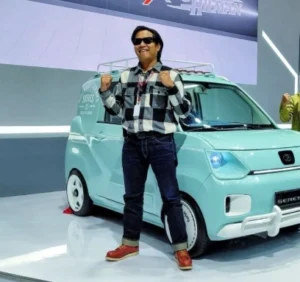
One of the most interesting aspects of his automotive journey is his concept car collaboration project with automakers. The project represents an intersection between creative ideas, automotive design, and the practical expertise of established car manufacturers.
Gofar Hilman and the Automotive World
Gofar Hilman has long demonstrated an interest in automobiles and automotive culture. His involvement goes beyond simply owning or driving cars. He has frequently explored how vehicles can become expressions of personality, lifestyle, and creativity.
This background provides an important foundation for his concept car collaboration project. Working with automakers allows creative concepts to be translated into vehicles that have a stronger connection to professional automotive design and engineering.
The collaboration also reflects a growing trend in the automotive industry, where manufacturers increasingly work with public figures, designers, artists, and cultural personalities to create vehicles that appeal to specific communities.
What Is the Concept Car Collaboration Project?
The concept behind a Gofar Hilman concept car collaboration is centered on creating a vehicle that combines automotive expertise with a distinctive creative vision.
Concept cars are generally developed to explore new ideas in design, technology, functionality, or branding. They can serve as a platform for manufacturers to experiment with ideas that may influence future production vehicles.
For Gofar Hilman, collaboration with automakers provides an opportunity to bring his perspective on automotive culture into the design process. Instead of approaching a vehicle purely from a technical standpoint, the project can incorporate elements of lifestyle, personalization, and enthusiast culture.
Combining Creativity and Automotive Expertise
One of the most important elements of the project is the combination of two different perspectives.
Gofar Hilman brings a creative understanding of automotive enthusiasts and contemporary lifestyle trends. Meanwhile, automakers contribute professional knowledge in areas such as engineering, safety, manufacturing, materials, and vehicle development.
This combination can create a concept that is not only visually distinctive but also grounded in the realities of automotive production.
The collaboration demonstrates how automotive design can become a meeting point between engineering and popular culture.
A Vehicle Inspired by Automotive Enthusiasts
Automotive enthusiasts often look for vehicles that offer more than transportation. Design, driving character, customization potential, and emotional appeal can all influence how people connect with a car.
A concept car developed through Gofar Hilman’s creative perspective can therefore be viewed as an exploration of what enthusiasts want from modern vehicles.
Elements such as exterior styling, interior details, color combinations, wheels, accessories, and overall character can be used to create a stronger identity.
This approach can make a concept vehicle feel more personal and relatable to automotive communities.
Collaboration with Automakers
The involvement of automakers is particularly important because transforming an idea into a functioning vehicle requires extensive expertise.
Manufacturers have experience with vehicle platforms, powertrains, structural engineering, electronics, safety requirements, and production processes. Their involvement can help ensure that creative ideas are evaluated from a technical perspective.
At the same time, collaboration with a personality such as Gofar Hilman can give an automaker a different perspective on how consumers perceive vehicles.
This type of partnership can ultimately create a concept that combines automotive engineering with cultural relevance.
Why Concept Cars Matter
Concept cars have an important role in the automotive industry. They allow manufacturers to present experimental ideas without immediately committing to mass production.
A concept can introduce new design language, technologies, interior layouts, or lifestyle-oriented features. Even when a concept never reaches production, some of its ideas may eventually influence future models.
For automotive enthusiasts, concept cars are also exciting because they provide a glimpse into possible directions for the future of mobility.
Gofar Hilman’s Influence on Automotive Culture
The significance of Gofar Hilman’s automotive projects extends beyond the vehicle itself. His involvement helps demonstrate how automotive culture continues to interact with entertainment, media, fashion, and lifestyle.
This connection can introduce automotive design to audiences who may not traditionally follow the industry closely.
It also highlights the changing role of automotive personalities. Today, automotive influencers and enthusiasts can participate in conversations about design and vehicle identity alongside traditional manufacturers and designers.
The Future of Automotive Collaboration
Collaborations between automakers and creative personalities are likely to remain relevant as automotive brands search for new ways to connect with consumers.
Modern car buyers increasingly consider lifestyle and identity when choosing a vehicle. As a result, partnerships that combine technical expertise with cultural insight can provide manufacturers with new opportunities to create distinctive products and experiences.
For Gofar Hilman, a concept car collaboration represents another way to express his passion for automotive culture while exploring the possibilities of creative vehicle design.
Gofar Hilman’s concept car collaboration project with automakers represents an interesting combination of creativity, automotive enthusiasm, and professional vehicle development.
By bringing together a creative automotive personality and established automakers, the project demonstrates how vehicle design can extend beyond engineering and become part of a broader cultural conversation.
The project also shows why concept cars remain important. They provide a space where new ideas can be explored, automotive communities can be represented, and manufacturers can experiment with different approaches to design and lifestyle.
As automotive culture continues to evolve, collaborations like this could become an increasingly important way to connect car enthusiasts, creative communities, and automakers.