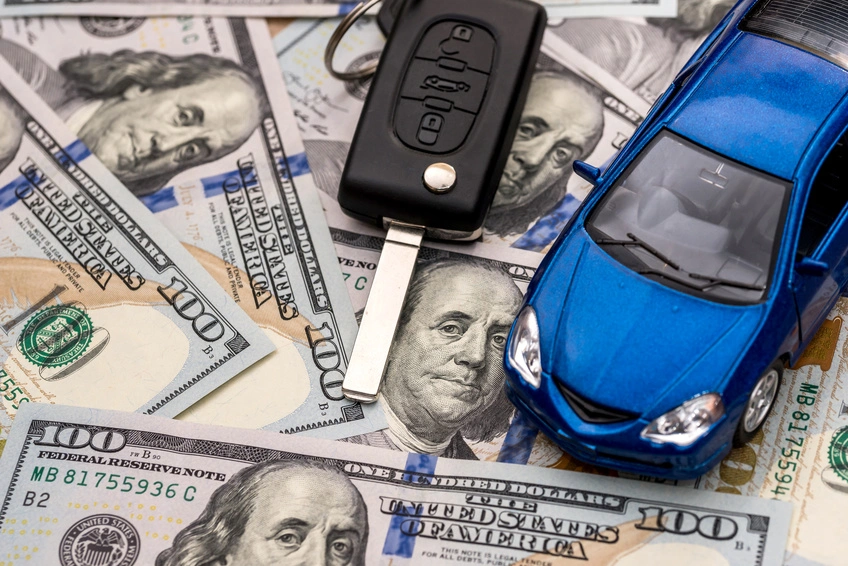
Cash vs Financing: Which Used Car Payment Method is Best?
Cash vs. Financing: Which Used Car Payment Method is Best? | Buying a used car in 2026 requires a sharper financial strategy than it did just a few years ago. Once you find the perfect vehicle at a dealership like The Car Store Iowa, a major question naturally arises: is it better to pay in full with cash or opt for financing?
The choice between paying cash or financing does not have a single, one-size-fits-all answer. The wisdom of this decision depends heavily on comparing the auto loan interest rate offered against the potential return on investment (ROI) if you were to put that money elsewhere. Let’s break down the current used car market realities and the underlying financial factors so you can make the smartest and most profitable choice for your wallet.
Understanding the 2026 Used Car Market Realities

Current economic conditions have brought the used car market back to a much more stable and predictable pattern. We are no longer living in the chaotic era of the early 2020s, where used car prices skyrocketed due to microchip shortages and global supply chain disruptions.
Today, pre-owned vehicles follow normal depreciation curves. This means that the moment a car leaves the lot or changes hands, its value decreases gradually over time and usage. Recognizing this fact is crucial when choosing your payment method, as you certainly want to avoid being tied to a long-term loan for an asset that is constantly losing value.
On the flip side, the current interest rate landscape for used car loans is relatively high. On average, used car financing rates range anywhere from 7.70% to 19.42%. The exact figure is heavily dictated by your credit score. Buyers with an excellent credit history might still negotiate lower rates, hovering between 5% and 7%, typically through local credit unions or specialized lenders working directly with trusted dealerships.
The Best Scenarios for Paying Cash
Purchasing a used car with cash is the wisest move if your main priority is peace of mind and staying debt-free. This path becomes the ideal option when average market loan rates climb past 7% or 8%, or if your current credit score prevents you from getting anything other than a high-interest offer.
Advantages of Buying with Cash
Shelling out the full amount upfront delivers several significant long-term financial benefits:
-
Zero Interest Charges: The most obvious perk is that you won’t pay a single cent in interest. This can save you thousands of dollars that would otherwise be wasted on financing fees over the lifespan of a loan.
-
Eliminating a Monthly Expense: Without a car payment hanging over your head each month, your regular cash flow becomes much more flexible. Money that would have gone toward a monthly bill can now be redirected to emergency needs or other savings goals.
-
No Risk of Being Underwater: Negative equity occurs when your remaining loan balance is higher than the actual market value of the car. By paying cash, you own the vehicle outright from day one, meaning market price drops will never stress you out.
Disadvantages of Buying with Cash
However, parting with a massive lump sum of liquidity for a depreciating asset comes with downsides that require careful consideration:
-
The Reality of Opportunity Cost: The cash used to buy the vehicle instantly loses its power to grow. If that money were kept in a High-Yield Savings Account (HYSA) or a Certificate of Deposit (CD) with a guaranteed high yield, it could be generating steady passive income for you instead.
-
Reduced Financial Liquidity: Buying a car entirely in cash often tempts buyers to dip into their emergency funds. Wiping out your cash reserves for a vehicle is highly risky, as unexpected medical expenses or urgent home repairs can happen at any time.
-
Missed Credit-Building Opportunities: For anyone actively trying to establish or improve their financial reputation, skipping a loan means missing out on adding a positive installment account to their credit bureau history.
When Financing Becomes the Smarter Play

Choosing a loan or financing option does not imply an inability to afford the vehicle. In fact, investors and financial advisors frequently choose this route for strategic reasons. Financing becomes the superior strategy if you can lock in a low interest rate (such as 4% to 5%) and have a concrete plan to utilize your remaining cash in areas that generate higher returns.
Advantages of Financing
Financing through a reputable lender grants you a level of flexibility that cash purchases simply cannot replicate:
-
Preserving Your Liquid Cash: You don’t have to sacrifice your safety net. Your emergency fund and savings remain intact at the bank, providing security during periods of economic uncertainty.
-
Potential for Financial Arbitrage: If you secure a low auto loan rate and simultaneously invest your liquid cash into an investment vehicle yielding higher returns than the loan interest, you are mathematically making money on the difference.
-
Boosting Your Credit Profile: Making consistent, on-time monthly payments will reflect beautifully on your credit report. This makes it much easier to qualify for larger financing needs down the road, such as a home mortgage.
-
Greater Flexibility in Choosing a Vehicle: With a structured payment plan, you might be able to step up to a slightly newer model, one with better safety features or superior fuel efficiency, without draining your bank account on day one.
Disadvantages of Financing
Behind the convenience of gradual payments lie some very real consequences you must be prepared to handle:
-
Higher Overall Purchase Cost: Compound interest over a 3- to 5-year loan term means the total amount of money leaving your pocket will end up far exceeding the original sticker price of the car.
-
A Binding Monthly Obligation: A car loan is a legal contract. Rain or shine, employed or facing a sudden layoff, you are required to make that payment every single month, which can cause intense stress if your financial situation shifts unexpectedly.
-
The Threat of Negative Equity: Because used vehicles depreciate normally, you run the risk of your car’s value dropping faster than you can pay down the principal balance, especially if you choose a lengthy loan term with a minimal down payment.
Guidelines for Choosing Your Strategy
How do you make the final call? You can use this simple checklist as your decision-making framework:
-
Check Your Rates First: Get a pre-approval quote from a credit union or your dealership. If the interest rates offered scale past 8%, paying cash is generally better if you have the funds available.
-
Test Your Emergency Fund: Calculate how much savings you will have left after paying for the car. If paying cash leaves you with less than 3 to 6 months of living expenses, finance a portion of the vehicle instead—combining a large down payment with a small loan to protect your liquidity.
-
Evaluate Your Investment Discipline: Be honest with yourself. If you choose financing to keep cash for investments, will you actually invest that money? Or will it slowly disappear into everyday lifestyle expenses? If you do not have an active investment plan, paying cash is the safest way to “guarantee” a return by avoiding interest fees.
Everyone’s financial profile is completely unique. The best course of action before signing any paperwork is to check your credit score, map out your monthly budget, and sit down with the finance team at a reputable dealer like The Car Store Iowa to explore the specific financing packages available for your situation. With the right approach, you can drive home your next vehicle while keeping your long-term financial stability completely intact.

Iowa Used Car Sales Tax Explained
Iowa Used Car Sales Tax Explained | Buying a used car is often a smart financial move. However, the excitement of finding the perfect vehicle can quickly fade if you are suddenly hit with a stack of unexpected administrative costs when transferring the paperwork. For Iowa residents, the vehicle ownership transfer system comes with a set of rules that are quite unique compared to other states across the country.
If you plan to bring home a pre-owned vehicle in The Hawkeye State, understanding the cost components beyond the car’s sticker price is an absolute must. From unique tax terms to dynamic annual calculation formulas, here is a complete breakdown of the regulations and fees you need to prepare for so your transaction goes smoothly without any legal hurdles.
The Unique Tax Rule: Fee for New Registration

One fundamental thing that often triggers misunderstandings for first-time buyers in Iowa is the term “sales tax.” When you buy electronics or clothing, you are charged a standard local sales tax. However, this rule does not apply to registered motor vehicles.
The state of Iowa replaces the vehicle sales tax component with a special instrument called the Fee for New Registration. This rule binds everyone, whether you are transacting directly at a large licensed dealership or buying from a next-door neighbor through a private party sale.
This cost component consists of a flat nominal fee of $10, which is then added to 5% of the vehicle’s total net purchase price. This 5% value is what everyday people often mistake for a standard sales tax because the percentage feels similar to other goods.
The good news is that the Iowa system offers regulatory relief for consumers who do a trade-in. If you bring your old car to the dealer to be used as a price reducer for the car you want to buy, you get the benefit of a reduced tax burden. The system will subtract the trade-in value of your old car from the purchase price of the new one. The result of that subtraction is what is multiplied by the 5% fee, plus the flat $10. This scheme definitely helps lower your upfront cash outlays.
Strict Caps on Dealer Fees
Stepping into a used car dealership can sometimes feel intimidating because of the potential for hidden extra fees slipped into the final contract. In Iowa, you can breathe a little easier because the local government enforces strict regulations to protect consumers from inflated paperwork charges.
The main component you will encounter is the Documentation Fee, commonly abbreviated as Doc Fee. This covers the cost of handling documents, filing paperwork with the state, and internal dealer administration. Fortunately, Iowa state law strictly caps this dealer processing fee at a maximum of $180. Dealerships are legally prohibited from drawing administrative fees above that ceiling.
Additionally, you might hear the term Destination Fee or delivery charge. As an important note, this fee is generally only relevant for brand-new vehicle units shipped directly from the factory to the dealer. If you find this fee appearing on a used car purchase draft, make sure to ask the dealer about it in detail—unless the used car was specifically ordered and transferred from an out-of-state dealership branch at your request.
Title Transfers and the Dynamic Annual Registration
Once the car payment transaction is complete, the next crucial step is to legalize ownership at your local County Treasurer office. This is where you will pay for the issuance of a new certificate of ownership (title) and license plates.
To process the change of ownership or Title Fee, you are charged a fixed rate of $35. This fee must be paid regardless of the buying channel. However, if you purchase the car using a loan or financing from a bank or lending institution, there is an additional Lien Fee of $20. This extra fee serves to record the lender’s security interest on your car title until the loan is fully paid off.
Next, the component that requires deeper calculation is the Annual Registration Fee. Unlike some states that apply a flat rate for all car types, Iowa uses a fair but dynamic combination formula. This annual fee is calculated based on the vehicle’s original factory list price and its total weight.
The great news for used car hunters is that this registration fee burden is designed to depreciate as the vehicle ages. The rate reduction structure is divided into several vehicle age categories:
-
Vehicles 1 to 7 Years Old: In this prime age phase, vehicle owners are required to pay the full rate of 1% of the original vehicle list price, plus the weight component.
-
Vehicles 8 to 9 Years Old: Entering this age bracket, the rate begins to ease and drops to 0.75% of the initial factory list price.
-
Vehicles 10 to 11 Years Old: The annual burden is cut again to just 0.50% of the initial list price.
-
Vehicles 12 Years or Older: When a car is considered older or well-matured, the percentage formula no longer applies. The Iowa government enforces a highly affordable flat rate of just $50 per year.
This depreciation system makes owning a slightly older used car an incredibly economical option from an annual tax perspective in Iowa.
Critical Deadlines and Late Penalties

Time management is key when dealing with vehicle legalities in Iowa. The state government provides a strict calendar window of 30 days, starting from the date of sale printed on the bill of sale or title document.
Within that one-month window, you must complete the entire title transfer process and pay the Fee for New Registration at the County Treasurer office. If you miss this 30-day deadline, you will face late penalties that accumulate onto your total administrative bill.
What if you need to drive the car immediately while the document processing takes a few days? The solution is to purchase a 30-day temporary permit. You can apply for temporary plates for a fee of $25 at the county treasurer’s office. This facility provides full legality for you to hit the Iowa roads without worrying about getting a ticket from law enforcement while your permanent paperwork is being processed.
Extra Disclosure Obligations for Private Sales
Buying a car directly from the previous owner without a dealer middleman often offers a lower price tag. However, this independent route demands extra attention regarding supporting documents. Both you and the seller share equal legal responsibilities to ensure the vehicle’s condition transparency.
When handing over the certificate of ownership (title), make sure the back of the document is filled out completely and honestly. There are two crucial sections that must be completed:
First is the Odometer Statement. Both parties must write down the accurate mileage reading at the time of the transaction to avoid data manipulation disputes in the future.
Second is the Damage Disclosure Statement. This document records whether the car has ever experienced major accident history or significant structural damage.
In addition to the two statements above, always complete your transaction with a formal Bill of Sale signed by both parties. This written document serves as strong proof of the actual agreed purchase price, which will later be used by the County Treasurer to calculate your 5% Fee for New Registration. With clean, complete, and transparent documentation, you can enjoy your chosen used car on Iowa roads with absolute peace of mind.
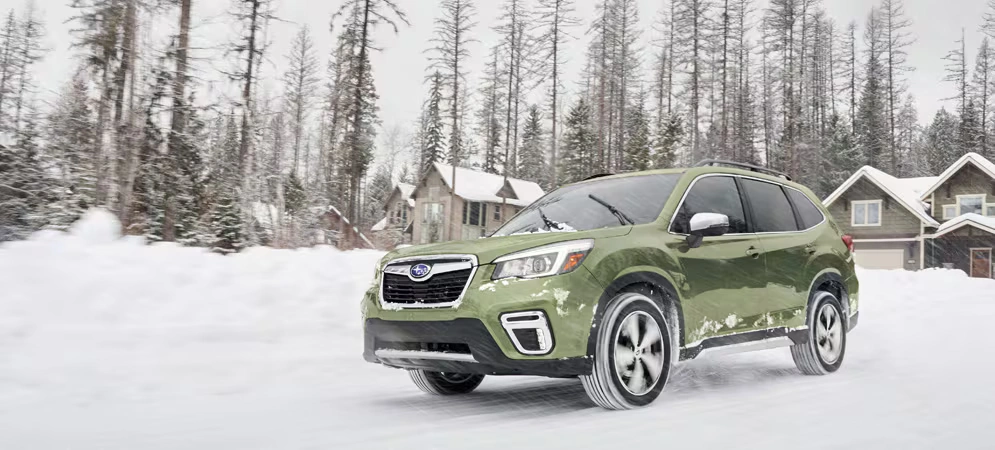
5 Best Used SUVs Ready for Tough Iowa Winters
5 Best Used SUVs Ready for Tough Iowa Winters | Surviving an Iowa winter requires much more than just a heavy coat and a reliable home heating system. For drivers, the extreme drops in temperature—accompanied by heavy snowfall, thick slush, and wind-drifted rural roads across the Midwest—present a severe annual challenge. Being behind the wheel of the wrong vehicle when a sudden blizzard hits can turn a routine commute into a stressful, or even dangerous, experience.
Because of this, driving a capable vehicle is no longer a luxury; it is an absolute necessity for your safety. For those currently shopping the pre-owned market, upgrading to an SUV equipped with All-Wheel Drive (AWD) or Four-Wheel Drive (4WD) is a highly practical decision. These drivetrain systems deliver the extra traction needed when smooth asphalt transforms into a treacherous sheet of ice.
However, not all SUVs are engineered equally when it comes to taming extreme weather. This guide breaks down the essential technical features you must look for when shopping for a pre-owned vehicle and highlights the top used models built to keep you safe and warm all winter long.
Non-Negotiable Features for Extreme Winter Driving

Before browsing through dealership inventories, it is crucial to understand the mechanical components that enable an SUV to withstand severe winter storms. Buying a vehicle based solely on its outward styling or brand popularity will not guarantee it can handle a brutal Iowa freeze in January.
1. High Ground Clearance
When heavy snow accumulates in suburban neighborhoods or on rural routes before the snowplows arrive, low-riding vehicles easily get stuck. Packed snow can wedge underneath a low car, lifting the chassis and causing the tires to lose contact with the road—a frustrating scenario known as getting “high-centered.”
To prevent this risk, aim for a used SUV that offers at least 8 inches of ground clearance. This height provides enough space for the vehicle to safely clear snowbanks and icy drifts without damaging the fragile components underneath the undercarriage.
2. Smart Drivetrains: Active AWD or Full-Time 4WD
A standard two-wheel-drive vehicle (whether front-wheel or rear-wheel drive) often struggles to climb even minor inclines when roads are slick. This is where AWD and 4WD become indispensable.
-
AWD (All-Wheel Drive): Works completely automatically without requiring any driver intervention. Modern systems monitor wheel slip within milliseconds, instantly routing power to the wheels with the most grip.
-
4WD (Four-Wheel Drive): Typically found on rugged, truck-based SUVs. This system is ideal for unplowed rural terrain because it locks power evenly across all wheels, providing maximum forward momentum through deep drifts.
3. Cold-Weather Packages
Cabin comfort is not just about luxury; it directly impacts driver focus. When your body is shivering, your driving reflexes slow down. While inspecting a used SUV, look for models equipped with factory winter upgrades. Features like heated front seats and a heated steering wheel make a freezing morning commute significantly more bearable. Additionally, heated side mirrors are vital for keeping your rear visibility clear of frost, ice, and condensation.
4. The Ultimate Game Changer: Winter Tires
A common misconception among many car buyers is that having an “AWD” badge on the tailgate means they can drive at highway speeds over ice using standard tires. In reality, a front-wheel-drive (FWD) or AWD vehicle riding on dedicated winter tires will easily outperform a highly advanced AWD SUV running on worn-out all-season tires. The rubber compound in winter tires is specifically engineered to stay soft in sub-zero temperatures, allowing the tread to bite into ice and packed snow far more effectively.
Top Used SUVs for Navigating Slippery Iowa Roads
With those core features in mind, let’s review the best pre-owned SUVs on the market that have proven their durability and earned an excellent track record across the Midwest.
Subaru Forester and Subaru Outback
When it comes to vehicles built to battle the winter elements, Subaru is widely considered the gold standard. Both the Forester and the Outback come equipped with a legendary secret weapon: standard Symmetrical All-Wheel Drive. Unlike competitor brands that only offer AWD as an expensive upgrade on higher trim levels, Subaru includes it across almost their entire lineup.
The primary advantage of these two models lies in their continuous, balanced power distribution to all four wheels, giving drivers immense confidence when changing lanes on a slush-covered highway. Beyond their superior drivetrain, both the Forester and Outback boast an impressive 8.7 inches of ground clearance—beating out several much larger SUVs.
Choosing a used Forester gives you incredible outward visibility thanks to its large windows and upright seating position. On the other hand, if you prefer the smooth, car-like ride of a wagon with a long cargo area to carry winter sports gear, a used Outback is tough to beat.
Toyota RAV4
For a vast majority of car buyers, long-term reliability and strong resale value are the top priorities when shopping for a pre-owned vehicle. If you fall into this category, the Toyota RAV4 should be at the top of your list. This compact SUV has dominated the market for years due to its bulletproof engine durability and low maintenance costs.
When searching for a RAV4 on the used market, make sure to verify the unit is equipped with the AWD system. The AWD system on the RAV4 operates intelligently; it powers the front wheels during dry conditions to maximize fuel efficiency, but instantly engages the rear axle the moment it senses slippery road surfaces or freezing bridge decks. Its ability to cruise smoothly over icy blacktop makes the RAV4 an incredibly dependable daily driver for Iowa commuters.
Jeep Grand Cherokee
Occasionally, your daily commute might involve secondary country roads that are rarely touched by county snowplows. For these demanding scenarios, you need a vehicle with more muscle, and a used Jeep Grand Cherokee is the ideal answer.
Unlike its car-based compact rivals, the Grand Cherokee offers a true, heavy-duty 4WD system engineered for harsh conditions. Its robust frame is paired with an advanced terrain management system, allowing drivers to manually select a dedicated “Snow Mode.” This feature automatically optimizes gear shifts and torque distribution so the tires don’t spin out when accelerating from a dead stop in deep snow.
An added bonus of a used Grand Cherokee is its premium cabin comfort. Many used models available on the market come from mid-to-high-tier trims, meaning cold-weather packages—such as heated second-row seats and a heated steering wheel—are already included. It is the perfect choice for drivers who refuse to sacrifice luxury for rugged capability.
Honda CR-V
If you are looking for a pre-owned SUV that is gentle on your budget, highly fuel-efficient, yet completely capable of handling winter weather, the Honda CR-V is an excellent choice. As a pioneer in the compact SUV segment, the CR-V offers a practical package for growing families.
The active AWD system in the Honda CR-V is designed to deliver extra safety without hurting your gas mileage. Its spacious cabin layout and easy-to-fold rear seats provide outstanding versatility when loading up large grocery hauls during a winter storm. Combined with Honda’s reputation for hassle-free ownership, a used CR-V is a safe, highly functional choice for budget-conscious buyers.
Smart Pre-Purchase Inspection Advice
Finding the right model is only the first step. Because you are shopping for a used vehicle in a region where road salt is heavily used to melt ice, a few extra inspection steps are mandatory before signing any paperwork.
Always take the time to inspect the vehicle’s undercarriage thoroughly using a flashlight, or ask a trusted mechanic to put the car on a hydraulic lift. Rust caused by road salt exposure is the number one enemy of vehicles in the Midwest. Avoid buying any vehicle that shows structural rust damage on the frame, no matter how attractive the sticker price might be.
Furthermore, request a comprehensive vehicle history or service report to confirm that the AWD or 4WD system has received routine differential fluid changes. A properly maintained drivetrain ensures you will never find yourself stranded on the shoulder of the road in the middle of a freezing Iowa blizzard. With the right preparation and the right vehicle, you can face everything winter throws at you with complete peace of mind.
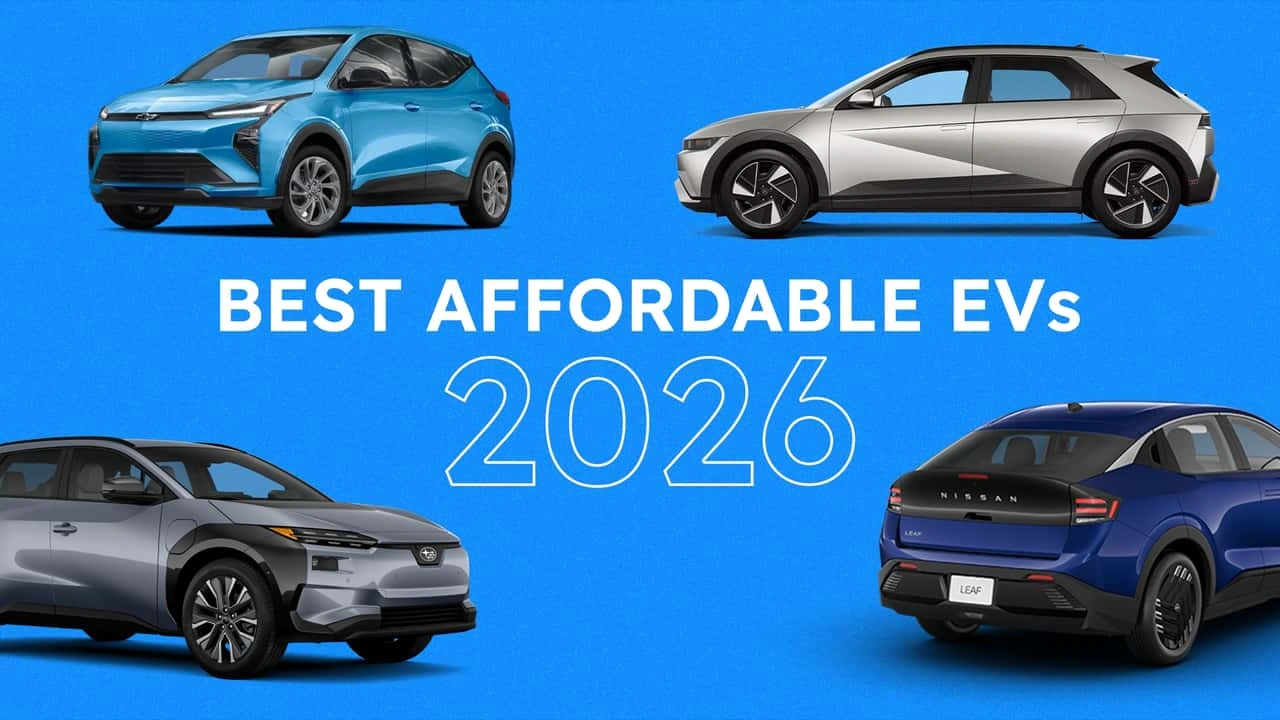
Smart Guide to Buying a Used Electric Vehicle (EV) in 2026
Smart Guide to Buying a Used Electric Vehicle (EV) in 2026 | Shopping for a pre-owned electric vehicle (EV) is one of the smartest financial moves you can make right now. Thanks to depreciation trends on early models, the secondhand market is flooded with high-quality EVs at historically low price points.
However, shopping for a battery-powered car requires a different approach than inspecting a traditional gas vehicle. To ensure your investment is safe and cost-effective, here is a practical breakdown of what you need to know before signing the paperwork.
1. The Big Three Checks: Battery, Warranty, and Charging
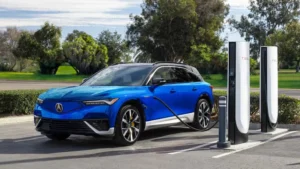
Do not get distracted by a flawless exterior or a clean interior. When evaluating a pre-owned EV, your primary focus should be on these three critical areas:
-
State of Health (SoH): Just like a smartphone, an EV battery’s maximum capacity degrades over time. Ask the dealer for a certified battery diagnostic printout, or use the car’s built-in center console diagnostics (standard on models like Tesla) to check the SoH. For long-term peace of mind, aim for a vehicle with a SoH between 80% and 85%.
-
Battery Warranty: Most manufacturers offer an 8-year or 100,000-mile warranty specifically covering the EV battery. If you buy a 3-year-old vehicle, it will likely retain 5 years of factory battery coverage. Always verify that this warranty is fully transferable to the second owner.
-
Charging Speeds and Ports: Some older EVs (pre-2020 models) only support slower AC charging rather than modern DC rapid charging. Make sure the vehicle features a CCS or CCS2 charging port so you are not locked out of modern, fast public charging networks during road trips.
2. Best Used EV Deals on the Market
Because the 2026 pre-owned market is packed with off-lease inventory and trade-ins, several standout models offer maximum value for your money:
-
Hyundai Ioniq 5 & Kia EV6: Highly recommended for their advanced 800-volt architecture. This technology allows them to retain incredibly fast charging speeds and maintain highly efficient real-world driving range.
-
Tesla Model 3: The safest bet for first-time EV buyers. Its main advantages include seamless access to the expansive Supercharger network, regular over-the-air software updates, and high resale liquidity.
-
Budget-Conscious Urban Drivers: If your daily commute is short, compact runabouts like a used Nissan Leaf (aim for the 40 kWh battery or larger), or early BYD and MG models are fantastic, low-cost alternatives.
3. Hidden Costs and Maintenance Realities
One detail that often catches buyers off guard is the unique physical wear on electric vehicles. Because of heavy battery packs and instant torque, EV tires tend to wear out much faster than those on conventional cars. Inspect the tire tread depth thoroughly before finalizing the sale.
On the bright side, you will save significantly on brake maintenance. EV regenerative braking systems handle most of the deceleration, meaning brake pads and rotors last much longer than usual.
Beyond the car itself, make sure to factor the upfront cost of a Level 2 (240V) home wallbox installation into your overall budget. Charging your EV overnight at home is drastically cheaper than relying exclusively on public fast-charging stations.
4. Financing and Incentives
The final step is structuring your payment plan. Many regions offer specific government rebates, tax credits, or lowered registration fees for secondhand clean-energy vehicles. Take advantage of these incentives to lower your total cost of ownership.
If you opt for dealership financing or a loan, do not just focus on a low monthly payment. Compare the Total Amount Payable across different financial institutions to ensure you secure the best interest rates and loan terms.
Finding a high-quality used electric vehicle is simple as long as you prioritize battery health and verified maintenance records. By capitalizing on current market dips, you can enjoy a high-tech, modern driving experience without emptying your savings account.
Ready to explore our latest pre-owned EV inventory? Visit us or schedule a consultation with our automotive experts today!