
Detecting Advanced Odometer Tampering Techniques
Detecting Advanced Odometer Tampering Techniques – Buying a used car can feel like a smart financial decision. Prices are usually lower, depreciation has already happened, and you can often find reliable vehicles at a fraction of the cost of a new one. However, one hidden risk still affects the used car market worldwide: odometer tampering.
Modern technology has made vehicles smarter, but it has also created new opportunities for fraud. Some dishonest sellers manipulate mileage readings to make a vehicle appear less used than it actually is. This tactic increases the car’s resale value and can easily mislead buyers who rely only on the number displayed on the dashboard.
Understanding advanced odometer tampering techniques is essential if you want to protect yourself from costly mistakes. By learning how these methods work and recognizing the warning signs, you can make more confident decisions when purchasing a pre-owned vehicle.
Why Odometer Fraud Still Happens Today
Odometer rollback is far from a new problem. For decades, scammers have tried to reduce mileage readings to increase a vehicle’s perceived value. Even though regulations and digital systems have improved, the problem has not disappeared.
One reason is simple: mileage significantly affects a car’s price. Lower mileage typically suggests less wear on the engine, suspension, and transmission. As a result, a vehicle showing 60,000 miles will usually sell for much more than the same model with 160,000 miles.
With modern digital odometers replacing mechanical counters, many buyers assume tampering is no longer possible. Unfortunately, that assumption is wrong. Advanced tools and software allow experienced fraudsters to manipulate digital systems in ways that are difficult to detect at first glance.
This is why learning about digital odometer fraud detection and used car mileage verification has become increasingly important for anyone entering the second-hand vehicle market.
Common Methods Used in Modern Odometer Tampering
Today’s vehicles rely heavily on electronic systems. While these systems offer many advantages, they also create new points of vulnerability. Advanced odometer tampering techniques often involve accessing a vehicle’s electronic control units, also known as ECUs.
ECU Reprogramming
One of the most common methods involves directly reprogramming the ECU. The ECU stores mileage data, and specialized diagnostic tools can alter that information within minutes. Some devices plug directly into the vehicle’s diagnostic port, allowing the operator to adjust the mileage reading without dismantling any components.
Because the process leaves little visible evidence, many buyers never realize the odometer has been manipulated.
Cluster Replacement
Another technique involves replacing the instrument cluster. The instrument cluster contains the display that shows the mileage. A seller might install a cluster taken from a vehicle with lower mileage, instantly changing what the dashboard shows.
In some cases, scammers even purchase refurbished clusters that allow mileage to be reset before installation. Without checking the vehicle’s history records, this manipulation can easily go unnoticed.
Mileage Synchronization Tools
More advanced fraud schemes rely on synchronization devices that alter mileage data across multiple modules in the vehicle. Modern cars often store mileage information in several electronic systems. Fraudsters use specialized software to update all of them simultaneously so the numbers match.
This tactic makes used vehicle odometer fraud much harder to detect during basic inspections.
Warning Signs of Possible Mileage Rollback
While sophisticated tools make tampering easier, there are still clues that can reveal a suspicious mileage reading. Paying attention to small details can prevent expensive mistakes.
One of the first things to examine is the overall condition of the vehicle. If the odometer shows very low mileage but the interior looks heavily worn, something may be wrong. Look closely at the steering wheel, pedals, driver’s seat, and gear shift. Excessive wear in these areas often suggests more use than the mileage indicates.
Another important step involves reviewing maintenance records. Legitimate service documents typically include mileage readings from previous inspections, oil changes, or repairs. If the numbers suddenly decrease or jump inconsistently, the vehicle may have been tampered with.
Vehicle history reports also play a crucial role in detecting mileage inconsistencies. Many services track recorded mileage during title transfers, insurance claims, and emissions testing. Comparing these records with the current odometer reading can reveal suspicious patterns.
How Technology Helps Detect Mileage Manipulation
While technology enables fraud, it also helps investigators and buyers uncover it. Automotive diagnostics have become increasingly advanced, making it easier to verify mileage data stored throughout a vehicle.
Professional mechanics can scan multiple modules within a car’s electronic system. Because modern vehicles store mileage information in several locations, discrepancies may reveal tampering. If the dashboard reading differs from data stored in another module, the odometer may have been altered.
Some newer vehicles also record driving patterns, service intervals, and engine operation data. By analyzing this information, technicians can estimate whether the displayed mileage realistically matches the vehicle’s usage.
In addition, blockchain-based vehicle history systems are beginning to appear in the automotive industry. These systems create tamper-resistant records of maintenance, ownership changes, and mileage updates, making fraud much more difficult in the future.
Smart Steps Before Buying a Used Car
Detecting advanced odometer tampering requires more than just a quick look at the dashboard. Buyers should take several precautionary steps before finalizing a purchase.
Start by requesting a full vehicle history report. These reports provide insight into past registrations, recorded mileage, and previous ownership changes. Consistent mileage records over time are usually a good sign.
Next, inspect the vehicle carefully or bring a trusted mechanic. A professional inspection can reveal mechanical wear that contradicts the displayed mileage. Mechanics often recognize patterns of use that casual buyers might overlook.
It’s also wise to compare the car’s condition with typical wear levels for that mileage. A vehicle claiming extremely low mileage should look and feel relatively fresh, especially inside the cabin.
Finally, pay attention to the seller’s transparency. Honest sellers are usually comfortable sharing documentation, maintenance receipts, and inspection results. Hesitation or vague explanations may indicate something is being hidden.
The Importance of Mileage Transparency
Accurate mileage is more than just a number. It influences vehicle value, maintenance planning, and safety expectations. Cars with higher mileage often require more frequent servicing, while low-mileage vehicles typically command higher prices.
When odometer tampering occurs, buyers may unknowingly pay far more than the vehicle is worth. They may also face unexpected repair costs because the car has experienced more wear than the mileage suggests.
Governments in many countries consider odometer fraud a serious offense, often punishable by fines or criminal charges. Despite these regulations, the practice still appears in private sales and some unregulated markets.
That is why awareness remains the most effective defense.
Staying One Step Ahead of Odometer Fraud
As automotive technology evolves, so do the methods used by fraudsters. Advanced odometer tampering techniques may continue to change, but the fundamental strategy remains the same: making a vehicle appear less used than it truly is.
For buyers, the best protection lies in research, careful inspection, and verification through multiple sources. Combining vehicle history reports, professional diagnostics, and a thorough visual inspection significantly reduces the risk of falling victim to mileage manipulation.
The used car market offers many excellent opportunities, but informed buyers always perform due diligence before making a purchase. By understanding how modern odometer fraud works and learning how to detect suspicious signs, you can navigate the market with greater confidence and avoid costly surprises.
Understanding Used Car Titles: Clean, Salvage, and Rebuilt
Understanding Used Car Titles: Clean, Salvage, and Rebuilt | Shopping for a used vehicle often feels like a balancing act between finding a great deal and avoiding a hidden nightmare. In the automotive market, a vehicle’s title is the most critical piece of paperwork you need to review. The title status, or “brand,” acts as an official legal record of the car’s damage and repair history.
Before you sign a bill of sale or hand over your hard-earned money, it is vital to understand the exact definitions of the three most common title types: Clean, Salvage, and Rebuilt.
1. Clean Title: The Gold Standard for Car Buyers
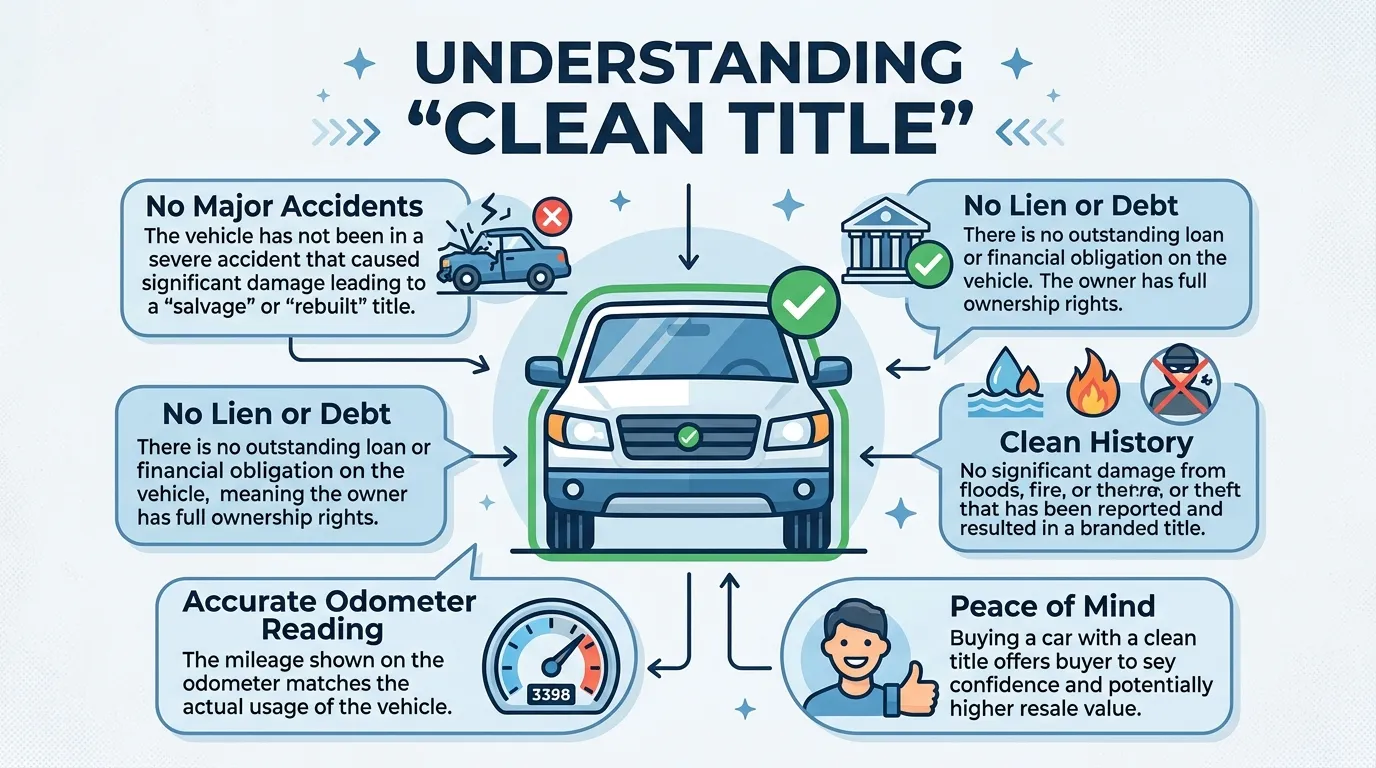
A vehicle carrying a Clean Title indicates that it has a clear history free of catastrophic incidents. This status serves as official verification that the car has never been declared a total loss by an insurance provider due to severe collisions, fires, or major flood damage.
-
Legal Status: Clean-title vehicles are fully road-legal. Registering, transferring ownership, securing comprehensive insurance, and obtaining dealership financing are straightforward processes without extra hurdles.
-
Market Value: These vehicles command the highest market value. The higher upfront cost pays off significantly in terms of everyday peace of mind and excellent long-term resale value.
2. Salvage Title: A Major Red Flag to Avoid
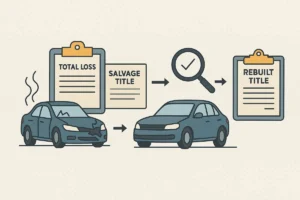
When a car suffers severe damage from an accident or extreme weather like hail or flash floods, an insurance company assesses the repair costs. If fixing the vehicle costs more than a specific percentage of its actual worth—usually 75% to 80%—the insurer declares it a “total loss” and issues a Salvage Title.
-
Legal Status: Driving or registering a salvage-title car on public roads is strictly illegal. From a legal standpoint, it is considered a parts car or a scrap vehicle until it undergoes an extensive reconstruction process.
-
Market Value: These vehicles retain almost no retail value, trading strictly at scrap or component pricing. For the everyday buyer, walking away from a salvage title is always the safest choice.
3. Rebuilt Title: A Budget-Friendly Alternative with Risks
What happens when a salvage car is completely repaired? It receives a Rebuilt Title. This designation is granted to a previously totaled vehicle that has been thoroughly restored to a roadworthy condition and has passed a rigorous, state-mandated safety inspection.
-
Legal Status: Rebuilt vehicles are completely legal to register and drive. However, getting insurance can be tricky. Many major insurance companies refuse to offer full comprehensive coverage for rebuilt vehicles, or they might charge significantly higher monthly premiums.
-
Market Value: Rebuilt cars typically cost 20% to 40% less than their clean-title counterparts. While this heavily discounts your initial investment, keep in mind that these cars are notoriously difficult to resell down the road.
Essential Smart Buyer Tips
Protecting yourself from dishonest sellers requires a proactive approach. Always follow these two protective steps before purchasing any secondhand vehicle:
-
Pull a Vehicle History Report: Use trusted platforms like CARFAX or AutoCheck. This is essential for detecting “title washing”—a fraudulent practice where scammers move a damaged car to a state with looser regulations to wipe away a salvage brand.
-
Order an Independent Inspection: Never rely solely on a state inspection certificate. Hire a certified mechanic to inspect the vehicle’s structural integrity, check for frame damage (which compromises safety in future crashes), and verify that critical components like airbags are properly installed.
Taking the time to read and understand a vehicle’s title status can save you from massive financial trouble. If you prioritize long-term safety, hassle-free financing, and easy insurance, sticking to a Clean Title is your best bet. However, if you are working with a strict budget and fully understand the mechanical risks, a thoroughly inspected Rebuilt Title car can serve as a viable alternative.