September 21, 2026

The Car Store iowa : Latest News and Information About Buying Used Cars

Stay updated with the latest news and information about buying used cars, including tips, market trends, and smart buying guides in The Car Store iowa

September 7, 2026 | Nireser

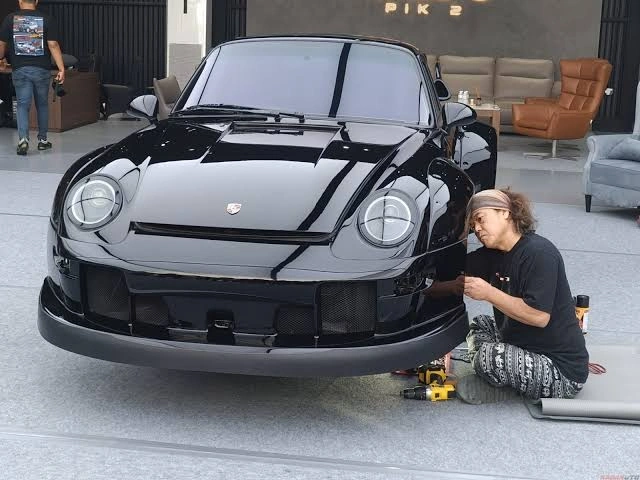
Akira Nakai: The Man Who Turned Porsche Into Rolling Art
akira-nakai-porsche-rolling-art

Akira Nakai: The Man Who Turned Porsche Into Rolling Art | Few names in the world of automotive customization are as instantly recognizable as Akira Nakai.

akira-nakai-porsche-rolling-art

With his signature wide-body designs, exposed rivets, enormous wings, deep-dish wheels, and unmistakable visual style, Nakai has transformed the Porsche 911 into something far beyond a traditional sports car.

Through his company, RAUH-Welt BEGRIFF, better known as RWB, Nakai created a style that divides Porsche enthusiasts. Some see his cars as radical works of automotive art, while others believe classic Porsches should remain closer to their original form.

Whatever side of the debate you are on, one thing is difficult to deny: Akira Nakai changed the way the world thinks about customized Porsche cars.

1. His Story Started With Japanese Drift Culture

Before he became famous for transforming Porsche 911s, Nakai was deeply involved in Japanese street and drift culture.

He was associated with a group known as Rough World and developed his style around the Toyota AE86.

The AE86 became an important part of Japan’s early drifting culture, and Nakai experimented with aggressive suspension setups, deep-dish wheels, wide fenders, and extreme negative camber.

This early experience would later become an important part of the RWB philosophy.

Rather than treating a car as a perfect factory product, Nakai wanted it to have personality.

2. Porsche Was a Completely Different Canvas

Nakai eventually encountered Porsche cars while working at a body shop.

The combination immediately fascinated him.

Porsche had already created a legendary sports car with the 911, but Nakai saw something else: an opportunity to reinterpret the car through Japanese tuning culture.

Instead of simply improving the factory design, he wanted to create something more aggressive and personal.

That philosophy eventually became the foundation of RWB.

3. Stella Artois Became the Beginning of RWB Porsche

One of the most important cars in Nakai’s story is his Porsche 930 known as Stella Artois.

The car began as an older Porsche that Nakai purchased and transformed into his own extreme interpretation of a 911.

He modified the body, suspension, wheels, and performance while creating the aggressive appearance that would later become synonymous with RWB.

Stella Artois wasn’t simply a customer project.

It was essentially Nakai’s personal laboratory.

Through the car, he developed ideas that would eventually become the visual language of Rauh-Welt BEGRIFF.

4. RWB Cars Look Like Race Cars From Another Universe

The RWB appearance is almost impossible to confuse with anything else.

The cars typically feature dramatically widened fenders, oversized spoilers, aggressive bumpers, deep-dish wheels, lowered suspension, and exposed hardware.

The result is a Porsche that looks like it escaped from a 1970s or 1980s racing paddock and was redesigned for modern street culture.

Nakai draws heavily from the visual language of racing.

However, RWB cars are generally designed to exist somewhere between street cars and track machines.

They are meant to be driven, not simply displayed.

5. Nakai Doesn’t Believe Everything Has to Be Perfect

This may be one of the most important ideas behind his work.

Modern automotive design often focuses on precision and flawless manufacturing.

Nakai’s approach is different.

His cars frequently retain visible rivets, seams, imperfections, and handmade characteristics.

Rather than hiding every sign of human craftsmanship, he allows those details to become part of the design.

This gives every RWB Porsche a handmade character that is difficult to reproduce through mass production.

6. Every RWB Porsche Has Its Own Personality

Although RWB cars share recognizable design elements, no two builds have to look exactly the same.

Owners can choose different colors, wheels, body details, interiors, and other specifications.

This means the Porsche becomes a collaboration between the owner and Nakai.

The result is more personal than simply purchasing an aftermarket body kit.

The owner provides the canvas, while Nakai creates his interpretation of that particular car.

This philosophy has helped RWB develop a strong community of enthusiasts around the world.

7. Nakai Personally Works on the Cars

One of the most fascinating parts of the RWB experience is Nakai’s hands-on approach.

Rather than designing a kit and sending it to a customer for installation, Nakai has become famous for personally traveling to different locations to build cars.

He measures, cuts, positions, adjusts, and finishes the components himself.

The process can be surprisingly direct.

A classic Porsche may arrive looking relatively ordinary and leave the workshop with an entirely different identity.

This hands-on craftsmanship is a major part of what makes RWB different from conventional tuning companies.

8. The Famous Fender Cutting Is Part of the Experience

Perhaps no image is more closely associated with Nakai than the moment he cuts into a Porsche’s original bodywork.

For Porsche purists, this can be difficult to watch.

A classic 911 is already a highly desirable automobile, and cutting its original fenders permanently changes the car.

But for Nakai, this transformation is fundamental to the creative process.

The Porsche becomes a new object.

Instead of preserving the car exactly as it left the factory, he creates another interpretation of what the 911 can become.

That philosophy is one of the reasons RWB remains so controversial—and so fascinating.

9. RWB Blends Japanese and German Car Culture

At its heart, RWB represents a cultural collision.

The Porsche 911 is one of Germany’s most famous automotive designs.

Nakai approaches it through the perspective of Japanese tuning and street culture.

The result combines German engineering with Japanese customization philosophy.

This mixture explains why RWB feels so different from traditional European Porsche tuning.

It isn’t trying to make the Porsche more conservative or refined.

It wants the car to become louder, wider, lower, and more expressive.

10. The Wheels Are a Huge Part of the Formula

An RWB Porsche isn’t complete without the right wheels.

Deep-dish wheels and aggressive fitment are essential components of the visual formula.

The wheels help emphasize the enormous fenders and give the car its distinctive stance.

Combined with extremely low suspension and wide tires, they create the impression that the Porsche has been stretched outward from every direction.

The result is one of the most recognizable silhouettes in modern car culture.

11. RWB Became a Global Phenomenon

What started as a relatively small operation in Japan eventually developed an international following.

RWB builds appeared across North America, Europe, Asia, and other parts of the world.

Nakai’s willingness to travel and personally create cars for owners helped turn each build into an event.

People weren’t simply buying a modified Porsche.

They were participating in an experience.

This helped create a community around RWB that goes beyond traditional automotive ownership.

12. His Cars Became Automotive Art

Eventually, the conversation around RWB moved beyond performance.

People began discussing the cars as art.

The exaggerated proportions, unusual colors, personalized details, and handmade construction make each car visually distinctive.

Some RWB Porsches are immediately recognizable from across a parking lot.

That is an extraordinary achievement considering they are based on a design that has existed for decades.

Nakai didn’t replace the identity of the Porsche 911.

He exaggerated it.

13. Porsche Purists Don’t Always Approve

The popularity of RWB doesn’t mean everyone loves the concept.

Some Porsche enthusiasts strongly oppose cutting into classic 911s.

Their argument is straightforward: a vintage Porsche has historical and collectible value, and permanent modifications can reduce its originality.

For these enthusiasts, a classic 911 should be preserved.

RWB supporters see things differently.

They believe cars are meant to be driven, enjoyed, modified, and given new life.

This disagreement has become part of the RWB story itself.

14. Nakai’s Philosophy Is About Emotion

Perhaps the most important element of Nakai’s work isn’t the body kit.

It’s emotion.

His cars aren’t designed to appeal to everyone.

They are designed to create a reaction.

You might love an RWB Porsche.

You might hate it.

You might think the proportions are ridiculous.

But it is extremely difficult to look at one without noticing it.

That emotional impact is exactly what separates RWB from many conventional tuning companies.

15. He Turned the Builder Into Part of the Brand

In traditional automotive manufacturing, the designer or builder often remains anonymous.

Nakai became part of the product itself.

His appearance, clothing, workshop, tools, and hands-on building process all became recognizable elements of the RWB identity.

When Nakai arrives at a customer’s location, the build becomes an event.

People aren’t simply watching a Porsche being modified.

They’re watching an artist create something directly in front of them.

Why Akira Nakai Matters

Akira Nakai’s importance goes beyond the number of Porsche cars he has modified.

He demonstrated that a single individual could develop a distinctive automotive design language and build a worldwide community around it.

His work also challenged conventional ideas about what makes a valuable car.

Is a Porsche more valuable because it remains untouched?

Or can it become more meaningful when an owner transforms it into something completely personal?

There is no universal answer.

That debate is part of what makes automotive culture interesting.

Akira Nakai didn’t invent the Porsche 911, but he found a way to reinterpret it that few other tuners could match.

Through RAUH-Welt BEGRIFF, he combined Japanese street culture, classic Porsche engineering, racing-inspired design, and handmade craftsmanship.

The result is a car that looks less like a factory product and more like a rolling sculpture.

RWB Porsches may be controversial, but controversy has never been a weakness in Nakai’s world.

His philosophy is simple: cars should have personality, owners should have freedom, and perfection doesn’t always have to mean factory originality.

That is why Akira Nakai is more than a Porsche tuner.

He is an artist who happens to use classic sports cars as his canvas.

September 5, 2026 | Nireser

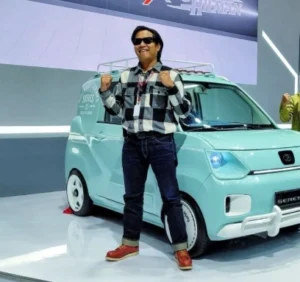
Gofar Hilman’s Concept Car Collaboration Project with Automakers

gofar-hilman-concept-car-collaboration

Gofar Hilman’s Concept Car Collaboration Project with Automakers | Gofar Hilman is widely recognized in Indonesia for his strong connection to automotive culture. Beyond his work in entertainment and digital media, Gofar Hilman has also been closely associated with the world of cars, custom vehicles, and automotive lifestyle.

gofar-hilman-concept-car-collaboration

One of the most interesting aspects of his automotive journey is his concept car collaboration project with automakers. The project represents an intersection between creative ideas, automotive design, and the practical expertise of established car manufacturers.

Gofar Hilman and the Automotive World

Gofar Hilman has long demonstrated an interest in automobiles and automotive culture. His involvement goes beyond simply owning or driving cars. He has frequently explored how vehicles can become expressions of personality, lifestyle, and creativity.

This background provides an important foundation for his concept car collaboration project. Working with automakers allows creative concepts to be translated into vehicles that have a stronger connection to professional automotive design and engineering.

The collaboration also reflects a growing trend in the automotive industry, where manufacturers increasingly work with public figures, designers, artists, and cultural personalities to create vehicles that appeal to specific communities.

What Is the Concept Car Collaboration Project?

The concept behind a Gofar Hilman concept car collaboration is centered on creating a vehicle that combines automotive expertise with a distinctive creative vision.

Concept cars are generally developed to explore new ideas in design, technology, functionality, or branding. They can serve as a platform for manufacturers to experiment with ideas that may influence future production vehicles.

For Gofar Hilman, collaboration with automakers provides an opportunity to bring his perspective on automotive culture into the design process. Instead of approaching a vehicle purely from a technical standpoint, the project can incorporate elements of lifestyle, personalization, and enthusiast culture.

Combining Creativity and Automotive Expertise

One of the most important elements of the project is the combination of two different perspectives.

Gofar Hilman brings a creative understanding of automotive enthusiasts and contemporary lifestyle trends. Meanwhile, automakers contribute professional knowledge in areas such as engineering, safety, manufacturing, materials, and vehicle development.

This combination can create a concept that is not only visually distinctive but also grounded in the realities of automotive production.

The collaboration demonstrates how automotive design can become a meeting point between engineering and popular culture.

A Vehicle Inspired by Automotive Enthusiasts

Automotive enthusiasts often look for vehicles that offer more than transportation. Design, driving character, customization potential, and emotional appeal can all influence how people connect with a car.

A concept car developed through Gofar Hilman’s creative perspective can therefore be viewed as an exploration of what enthusiasts want from modern vehicles.

Elements such as exterior styling, interior details, color combinations, wheels, accessories, and overall character can be used to create a stronger identity.

This approach can make a concept vehicle feel more personal and relatable to automotive communities.

Collaboration with Automakers

The involvement of automakers is particularly important because transforming an idea into a functioning vehicle requires extensive expertise.

Manufacturers have experience with vehicle platforms, powertrains, structural engineering, electronics, safety requirements, and production processes. Their involvement can help ensure that creative ideas are evaluated from a technical perspective.

At the same time, collaboration with a personality such as Gofar Hilman can give an automaker a different perspective on how consumers perceive vehicles.

This type of partnership can ultimately create a concept that combines automotive engineering with cultural relevance.

Why Concept Cars Matter

Concept cars have an important role in the automotive industry. They allow manufacturers to present experimental ideas without immediately committing to mass production.

A concept can introduce new design language, technologies, interior layouts, or lifestyle-oriented features. Even when a concept never reaches production, some of its ideas may eventually influence future models.

For automotive enthusiasts, concept cars are also exciting because they provide a glimpse into possible directions for the future of mobility.

Gofar Hilman’s Influence on Automotive Culture

The significance of Gofar Hilman’s automotive projects extends beyond the vehicle itself. His involvement helps demonstrate how automotive culture continues to interact with entertainment, media, fashion, and lifestyle.

This connection can introduce automotive design to audiences who may not traditionally follow the industry closely.

It also highlights the changing role of automotive personalities. Today, automotive influencers and enthusiasts can participate in conversations about design and vehicle identity alongside traditional manufacturers and designers.

The Future of Automotive Collaboration

Collaborations between automakers and creative personalities are likely to remain relevant as automotive brands search for new ways to connect with consumers.

Modern car buyers increasingly consider lifestyle and identity when choosing a vehicle. As a result, partnerships that combine technical expertise with cultural insight can provide manufacturers with new opportunities to create distinctive products and experiences.

For Gofar Hilman, a concept car collaboration represents another way to express his passion for automotive culture while exploring the possibilities of creative vehicle design.

Gofar Hilman’s concept car collaboration project with automakers represents an interesting combination of creativity, automotive enthusiasm, and professional vehicle development.

By bringing together a creative automotive personality and established automakers, the project demonstrates how vehicle design can extend beyond engineering and become part of a broader cultural conversation.

The project also shows why concept cars remain important. They provide a space where new ideas can be explored, automotive communities can be represented, and manufacturers can experiment with different approaches to design and lifestyle.

As automotive culture continues to evolve, collaborations like this could become an increasingly important way to connect car enthusiasts, creative communities, and automakers.

Agustus 27, 2026 | Nireser

Learn from Iqbaal Ramadhan: Tips for Young People Choosing a Used Car

learn-from-iqbaal-ramadhan-used-car-tips

Learn from Iqbaal Ramadhan: Tips for Young People Choosing a Used Car | Buying a car for the first time is an exciting decision, especially for young people who want greater freedom and mobility. However, choosing the right vehicle is not always easy. Budget, maintenance costs, fuel efficiency, and the car’s condition are all important factors to consider.

learn-from-iqbaal-ramadhan-used-car-tips

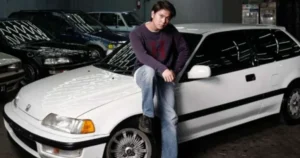
One public figure who can inspire young people when making smart lifestyle choices is Iqbaal Ramadhan. Known for his career in entertainment, Iqbaal represents a younger generation that values practicality, style, and thoughtful financial decisions.

For young people considering a used car, there are several lessons worth applying. A used car can be an attractive option because it may offer a more affordable purchase price while still providing the convenience of personal transportation.

Why Young People Consider a Used Car

A used car can be a practical choice for young drivers who want to manage their finances carefully. Compared with buying a brand-new vehicle, purchasing a used car can reduce the initial financial burden.

However, a lower price does not automatically mean a better deal. Young buyers should look beyond the purchase price and consider the total cost of ownership.

Insurance, fuel, taxes, routine servicing, replacement parts, and unexpected repairs can all affect a car owner’s monthly budget. Therefore, financial planning should come before choosing a particular model.

1. Set a Realistic Budget

The first step when choosing a used car is to determine how much you can comfortably afford.

Do not use your entire savings for the vehicle. Ideally, keep an emergency fund available after completing the purchase. This can help cover unexpected repairs or other personal expenses.

Young buyers should also calculate recurring expenses such as:

  • Monthly fuel costs
  • Vehicle tax
  • Insurance
  • Routine maintenance
  • Parking fees
  • Replacement tires
  • Unexpected repairs

A car that looks affordable at the dealership may become expensive if its maintenance requirements are high.

2. Choose a Car Based on Your Needs

Style can be an important consideration, particularly for young buyers. However, practicality should remain a priority.

Think about how the car will be used every day. If you mainly drive around the city, a compact and fuel-efficient car may be more suitable. If you regularly travel with family or friends, a larger vehicle could be more practical.

Ask yourself a few simple questions:

  • How many people usually travel with me?
  • How far do I drive every week?
  • Will I use the car for work or study?
  • Do I frequently travel outside the city?
  • How much can I spend on maintenance?

Answering these questions can narrow your options and prevent an emotional purchase.

3. Check the Used Car’s Condition Carefully

The condition of a used car is more important than its appearance.

A vehicle may look clean and attractive but still have mechanical problems. Before buying, inspect important components such as the engine, transmission, brakes, suspension, tires, electrical systems, and air conditioning.

It is also a good idea to check the vehicle’s service history. Regular maintenance records can provide valuable information about how the previous owner treated the car.

If you do not understand automotive mechanics, consider bringing a trusted mechanic or professional vehicle inspector.

4. Take the Car for a Test Drive

A test drive should not be skipped when buying a used car.

Pay attention to how the engine starts, how the transmission shifts, and how the steering and brakes feel. Listen for unusual sounds and observe whether the car vibrates excessively.

During the test drive, try different driving conditions if possible. Test the vehicle at low speeds, moderate speeds, and while braking. You should also check whether all major features work properly.

A test drive can reveal issues that are difficult to notice when the car is parked.

5. Check the Vehicle Documents

Before completing a purchase, make sure the vehicle’s documents are complete and consistent with the car.

Check important information such as the vehicle identification number, registration documents, ownership information, and tax status. The details should match the physical vehicle.

Buyers should also be cautious when a seller pressures them to complete the transaction quickly. Take enough time to verify the documents before making a payment.

6. Consider Maintenance and Spare Parts

A smart used-car purchase is not only about finding a low selling price. You should also consider how easy and affordable the car will be to maintain.

Popular models may have advantages because spare parts and repair services can be easier to find. A vehicle with complicated or expensive maintenance requirements may put additional pressure on a young person’s budget.

Before purchasing, research the estimated cost of regular servicing and commonly replaced components.

7. Do Not Be Afraid to Compare Several Cars

One of the biggest mistakes first-time buyers can make is falling in love with the first car they see.

Instead, compare several vehicles within the same budget range. Look at their age, mileage, condition, features, fuel economy, maintenance costs, and resale value.

Creating a simple comparison can make the decision more objective.

The goal is not necessarily to find the cheapest car. The goal is to find a used car that offers the best overall value for your needs and budget.

8. Learn From Iqbaal Ramadhan’s Younger Generation Mindset

The appeal of Iqbaal Ramadhan among young people can also be viewed as an example of a modern approach to lifestyle choices. Young consumers increasingly want products that match their personality while remaining practical and financially sensible.

That mindset can be applied when buying a car.

You do not need to purchase the most expensive or newest vehicle to demonstrate success. A well-maintained used car that fits your needs can be a smarter financial decision than buying a new car beyond your budget.

The important thing is to make a decision based on your priorities rather than social pressure.

9. Think About the Car’s Long-Term Value

A car is more than an object that takes you from one place to another. It is also a financial commitment.

Before buying a used car, consider how long you expect to keep it and whether it will continue to meet your needs in the future.

A reliable vehicle with reasonable maintenance costs can provide better value over several years. Meanwhile, a cheap car with frequent mechanical problems could ultimately cost more.

This is why young buyers should consider reliability and ownership costs alongside design and features.

Choosing a used car can be a smart option for young people who want personal transportation without putting excessive pressure on their finances.

The lessons are simple: set a realistic budget, understand your needs, inspect the vehicle carefully, check its documents, take a test drive, and consider long-term maintenance costs.

Inspired by the modern and practical mindset associated with young figures such as Iqbaal Ramadhan, today’s young buyers can make vehicle decisions that combine personality, practicality, and financial responsibility.

The best used car is not necessarily the most stylish or expensive one. It is the vehicle that fits your lifestyle, budget, and long-term plans.

Agustus 16, 2026 | Nireser

Suzuki Jimny Katana Used Modification Guide for Short and Curvy Millennials

used-suzuki-jimny-katana-modification-short-millennials

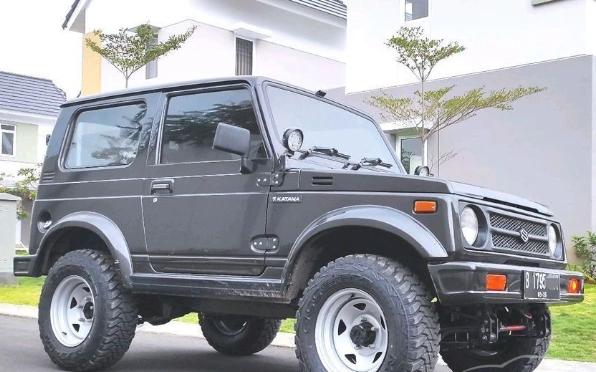
Suzuki Jimny Katana Used Modification Guide for Short and Curvy Millennials | The Suzuki Jimny Katana has a unique character that makes it appealing to drivers who want a compact SUV with a classic look and strong personality. For millennials with a shorter and curvier body type, however, a used Jimny Katana may need several thoughtful modifications to make the driving position, cabin access, and overall appearance more comfortable.

used-suzuki-jimny-katana-modification-short-millennials

The goal is not simply to make the vehicle look more aggressive. A good modification should improve comfort, practicality, visibility, and confidence behind the wheel while preserving the distinctive character of the Jimny Katana.

Why Choose a Used Suzuki Jimny Katana?

Buying a used Suzuki Jimny Katana can be an attractive option for drivers who enjoy classic vehicles but still want a compact car that is relatively easy to maneuver.

Its boxy proportions provide a distinctive appearance, while its compact dimensions make it suitable for city driving. Because used units can vary significantly in condition, buyers should prioritize the mechanical condition of the vehicle before spending money on cosmetic modifications.

Check the engine, transmission, suspension, brakes, steering, electrical system, chassis, and signs of previous accident damage before starting a customization project.

Recommended Modifications for Shorter Drivers

1. Improve the Driver’s Seat Position

The driver’s seat is one of the most important areas to modify.

A shorter driver may struggle to reach the pedals comfortably while maintaining a good view of the road. Consider a seat with better adjustment range or a professionally installed seating solution that allows the driver to maintain proper control.

The ideal position should allow:

  • Easy access to the pedals
  • A clear view of the road
  • Comfortable steering-wheel reach
  • Proper support for the back and thighs
  • Easy entry and exit from the vehicle

Avoid modifications that place the driver too close to the steering wheel or interfere with the vehicle’s safety systems.

2. Choose a Comfortable Steering-Wheel Setup

A smaller or appropriately positioned steering wheel can change the driving experience significantly. However, modifications involving the steering wheel must be approached carefully, especially if the vehicle has an airbag.

For a used Jimny Katana, safety should always take priority over aesthetics. Any steering-related modification should be performed by a qualified professional.

3. Add a Practical Running Board or Side Step

For shorter drivers, getting into a lifted or modified Jimny can be inconvenient.

A simple side step or running board can make entry and exit easier. Choose a design that is sturdy without significantly reducing ground clearance.

This is particularly useful if the vehicle has larger tires or a raised suspension.

Modifications for a Curvier Body Type

4. Select Supportive but Not Overly Narrow Seats

Bucket seats can look sporty, but extremely narrow seats may reduce comfort for drivers with a wider body shape.

A better choice is a seat with sufficient width, supportive cushioning, and an appropriate driving position. Comfort matters even more if the Jimny is used for commuting or longer trips.

5. Keep the Cabin Practical

Avoid filling the small cabin with unnecessary accessories.

Use compact storage solutions for items such as:

  • Smartphones
  • Wallets
  • Sunglasses
  • Water bottles
  • Small bags

A clean cabin provides more usable space and makes getting in and out easier.

Exterior Style That Fits Millennials

The Jimny Katana already has a distinctive classic appearance, so modifications should complement its character rather than overwhelm it.

A modern-retro approach can work particularly well. Consider:

  • Simple alloy or steel wheels
  • All-terrain tires in a sensible size
  • Classic two-tone paint
  • Minimalist front grille
  • Round auxiliary lighting where legal
  • Subtle roof accessories
  • Matte or satin exterior accents

The key is balance. An excessively modified Jimny can become uncomfortable for daily driving and may lose the charm that makes the vehicle attractive in the first place.

Choosing the Right Tires and Wheels

Larger wheels may look impressive, but they are not always better.

For a daily-driven Jimny Katana, prioritize a combination of reasonable tire size, ride comfort, steering response, and adequate clearance. Oversized tires can increase steering effort, affect acceleration, and potentially create clearance problems.

A practical setup is usually more enjoyable than a purely visual modification.

Suspension: Comfort Before Height

Many owners immediately think about lifting a Jimny. However, a significant suspension lift is not necessarily the best choice for a shorter driver.

A higher vehicle can make entry more difficult and may increase the vehicle’s center of gravity.

If additional ground clearance is genuinely needed, choose a suspension setup designed for the vehicle and have the alignment and related components checked afterward.

For mostly urban use, a moderate setup that preserves comfortable handling is often the better choice.

Interior Color and Personal Style

Millennial-oriented customization does not have to mean an extremely flashy interior.

A tasteful combination of black, beige, brown, dark green, or muted accent colors can create a modern-retro atmosphere.

Seat covers, steering-wheel accents, floor mats, and dashboard details can personalize the vehicle without permanently changing valuable original components.

Budgeting for a Used Jimny Katana Project

A smart modification project should be divided into stages.

Stage 1: Mechanical condition

Make sure the engine, transmission, brakes, suspension, steering, tires, and electrical system are healthy.

Stage 2: Driving comfort

Improve the seat position, entry height, visibility, and cabin ergonomics.

Stage 3: Safety

Check lighting, brakes, tires, seat belts, and other safety-related components.

Stage 4: Exterior appearance

Only after the basics are handled should you spend heavily on wheels, paint, body accessories, or other styling upgrades.

This approach helps prevent a common mistake: spending heavily on appearance while the underlying vehicle still needs major repairs.

A used Suzuki Jimny Katana can be an excellent platform for a personalized millennial-friendly vehicle. For shorter and curvier drivers, the best modifications are those that improve ergonomics and confidence without sacrificing safety.

Instead of focusing solely on a lifted stance or aggressive accessories, build the car around the driver’s actual needs. A comfortable seat, practical entry solution, sensible tires, well-maintained suspension, and clean modern-retro styling can turn an older Jimny Katana into a distinctive and enjoyable daily vehicle.

The best modified Jimny is not necessarily the most extreme one. It is the one that fits its owner.

Agustus 8, 2026 | Nireser

A-Series: The Small Heart Behind the Mini Morris Legend

a-series-the-small-heart-behind-the-mini-morris-legend

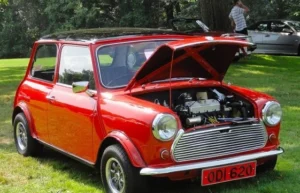
A-Series: The Small Heart Behind the Mini Morris Legend | Small in size but enormous in character, the A-Series engine became one of the most iconic powerplants in British automotive history. At the center of the classic Mini’s success, this compact four-cylinder engine helped transform a small economy car into a global motoring icon.

a-series-the-small-heart-behind-the-mini-morris-legend

The story of the Mini is not only about clever design, compact dimensions, and front-wheel drive. Behind its unmistakable character was an engine that proved an important lesson: great engineering does not always have to be large.

The Birth of the A-Series Engine

The A-Series engine was developed by the British Motor Corporation (BMC) and first appeared in the mid-1950s. Designed as a compact and economical engine, it was intended for use in a variety of small British cars.

Its relatively simple construction made the engine practical to manufacture, maintain, and adapt. Over the years, the A-Series was produced in several different capacities and configurations, allowing it to power a wide range of vehicles.

Among its most famous applications was the original Mini, which helped turn the A-Series into an important part of British automotive history.

The Perfect Engine for the Mini

When the Mini was introduced in 1959, its engineering was revolutionary. Designed by Alec Issigonis, the car placed the engine transversely at the front and used front-wheel drive.

This layout allowed BMC to maximize interior space while keeping the exterior remarkably compact.

The A-Series was perfectly suited to this philosophy.

Its compact dimensions allowed it to fit neatly into the Mini’s small engine bay while leaving more room for passengers and luggage. The result was a car that was tiny on the outside but surprisingly practical on the inside.

This clever combination of packaging and engineering became one of the Mini’s defining characteristics.

Small Engine, Big Personality

The A-Series was never famous simply because of its power figures. Its real charm came from the character it delivered.

The engine was relatively simple by modern standards, but that simplicity became part of its appeal. Mechanical components were accessible to enthusiasts and mechanics, making the A-Series popular for maintenance, restoration, and performance modifications.

As the Mini evolved, so did the engine.

Different versions offered different levels of performance, and the engine became increasingly associated with the sporting side of Mini culture.

The A-Series and the Mini Cooper

The A-Series reached another level of fame through the Mini Cooper.

John Cooper, a legendary figure in British motorsport, recognized the potential of the Mini as a performance car. The collaboration between Cooper and BMC resulted in more powerful Mini Cooper versions, followed by the legendary Mini Cooper S.

With a tuned A-Series engine, improved brakes, suspension upgrades, and other performance modifications, the Mini became capable of competing against much larger cars.

Its success in motorsport helped establish the Mini as more than an economical city car.

It became a performance icon.

A Giant Killer on the Rally Stage

The Mini’s most famous motorsport achievements came in rallying.

Despite its tiny dimensions and relatively modest engine capacity, the Mini proved remarkably competitive against larger and more powerful competitors.

Its lightweight construction, front-wheel-drive layout, nimble handling, and compact size gave it an advantage on tight and demanding rally stages.

The A-Series engine was at the heart of this unlikely success.

The Mini’s victories helped create a lasting motorsport legend and demonstrated how intelligent engineering could overcome a significant disadvantage in engine size.

Why the A-Series Became So Loved

There are several reasons why enthusiasts continue to appreciate the A-Series engine.

Simple Engineering

The engine’s straightforward mechanical design makes it relatively accessible to enthusiasts who enjoy maintaining or rebuilding classic engines.

Compact Dimensions

Its small size was essential to the Mini’s innovative packaging and helped make the front-wheel-drive layout possible.

Strong Enthusiast Community

Because the engine was used in numerous British cars for decades, a large enthusiast community developed around it, along with extensive options for restoration and performance upgrades.

Distinctive Character

Perhaps most importantly, the A-Series has personality.

It does not deliver the refinement expected from a modern engine, but its mechanical sound, throttle response, and connection between driver and machine are exactly what many classic-car enthusiasts love.

More Than Just an Engine

The A-Series should not be viewed simply as the engine that powered the Mini.

It was an important part of the car’s identity.

The Mini represented a new approach to automotive design: use space intelligently, keep the car light, and make every component work efficiently. The A-Series fit naturally into that philosophy.

Together, the engine and Mini created something greater than the sum of their parts.

The Legacy Lives On

Although the original A-Series engine belongs to another era of automotive engineering, its influence remains visible in classic Mini culture today.

Restorers continue to preserve original examples, while enthusiasts modify others for improved performance. For many classic Mini owners, maintaining an A-Series engine is not simply about keeping an old car running.

It is about preserving a piece of British automotive history.

The engine’s story also illustrates an important principle in automotive design: innovation is not always about making things bigger or more powerful. Sometimes, it is about making every component smaller, simpler, and smarter.

The Small Heart Behind a Big Legend

The Mini became a global icon because of its revolutionary design, unforgettable appearance, motorsport success, and unique driving character.

But beneath that famous little bonnet was an engine that played a crucial role in making the legend possible.

The A-Series may have been small, but its contribution to automotive history was anything but.

That is why the A-Series remains the small heart behind the legendary Mini.

Juli 6, 2026 | Nireser

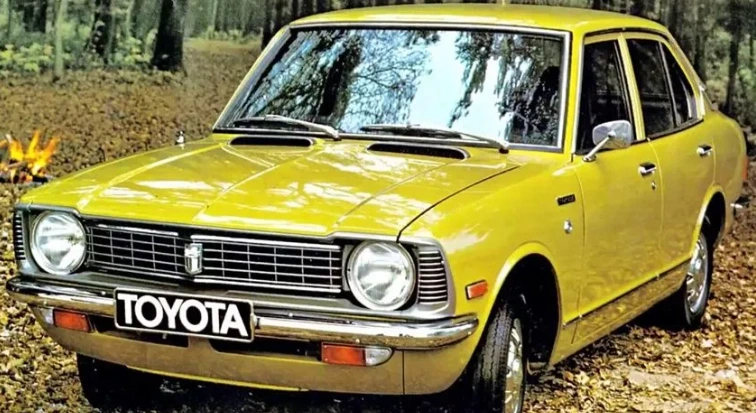
Toyota Corolla Is Still a Smart Buy for Gen Z in 2026 gas

toyota-corolla-is-still-a-smart-buy-for-gen-z-in-2026-gas

Toyota Corolla Is Still a Smart Buy for Gen Z in 2026 gas | owning a car is no longer just about getting from one place to another—it’s about finding a vehicle that fits a realistic budget, offers dependable performance, and won’t become a financial burden after purchase. With rising living costs and higher prices for new vehicles, the used car market has become an increasingly attractive option.

Among the countless choices available, one model continues to stand out year after year: the Toyota Corolla. Known worldwide for its reliability, fuel efficiency, and low maintenance costs, the Corolla has built a reputation as one of the smartest long-term vehicle investments.

But in 2026, with newer models, electric vehicles, and advanced technologies dominating headlines, is buying a used Toyota Corolla still a wise decision?

The answer is yes—and for many Gen Z drivers, it may be one of the smartest purchases they can make.

This guide explores why the used Toyota Corolla remains an excellent choice, what buyers should consider before purchasing one, and how it compares with today’s alternatives.

Why the Toyota Corolla Has Earned Its Reputation

Few cars have achieved the global success of the Toyota Corolla.

Since its introduction, the Corolla has become one of the best-selling vehicles in automotive history thanks to its consistent focus on reliability, practicality, and affordability.

Unlike many cars that prioritize flashy styling or high performance, the Corolla has always been designed to deliver dependable transportation with minimal ownership costs.

That philosophy continues to make it attractive to first-time buyers, students, young professionals, and families alike.

Key Insight: Reliability is often more valuable than luxury when buying your first car.

Affordable Without Feeling Cheap

One of the biggest advantages of buying a used Toyota Corolla is its excellent balance between price and quality.

Compared with purchasing a brand-new vehicle, a used Corolla allows buyers to enjoy proven reliability while avoiding the steep depreciation that affects new cars during their first few years.

For Gen Z buyers managing student loans, rent, or the early stages of their careers, this affordability can make a significant difference.

Rather than stretching a budget for a new vehicle, many buyers can choose a well-maintained Corolla with higher trim levels and additional features at a similar price.

Reliability That Saves Money

Toyota has built its reputation on producing vehicles that last.

Many Corolla owners report driving well beyond 200,000 miles with regular maintenance.

Because the Corolla is engineered for durability, routine servicing is generally straightforward, replacement parts are widely available, and repair costs tend to remain lower than many competing vehicles.

For younger drivers with limited automotive experience, owning a reliable car also means fewer unexpected repair bills and greater peace of mind.

Fuel Efficiency Still Matters

Although hybrid and electric vehicles continue to gain popularity, fuel economy remains an important consideration for budget-conscious drivers.

The Toyota Corolla has consistently delivered impressive fuel efficiency across multiple generations.

Lower fuel consumption means:

  • Reduced monthly transportation costs.
  • Longer driving range between fill-ups.
  • Lower environmental impact compared with less efficient vehicles.

For students commuting to campus or young professionals driving daily, these savings quickly add up.

Modern Features Without a New-Car Price

Many used Corolla models manufactured within the last several years already include features that remain highly desirable today.

Depending on the model year and trim level, buyers may find:

  • Apple CarPlay and Android Auto.
  • Touchscreen infotainment systems.
  • Bluetooth connectivity.
  • Backup cameras.
  • Adaptive cruise control.
  • Lane departure warning.
  • Automatic emergency braking.
  • Multiple driver-assistance technologies.

This allows buyers to enjoy modern convenience without paying premium new-car prices.

Low Cost of Ownership

Buying a car involves more than the purchase price.

Insurance, maintenance, fuel, taxes, and depreciation all contribute to long-term ownership costs.

The Toyota Corolla performs well across nearly every category.

Its reputation for reliability often translates into:

  • Lower repair expenses.
  • Affordable replacement parts.
  • Competitive insurance rates.
  • Strong resale value.
  • Predictable maintenance schedules.

These factors make budgeting easier for younger owners.

Strong Resale Value

Unlike many vehicles that lose value rapidly, the Toyota Corolla has historically maintained strong resale demand.

Because buyers trust its reputation, well-maintained used Corollas often retain their value better than many competitors.

This becomes especially important if owners decide to upgrade their vehicle a few years later.

A strong resale value helps reduce the overall cost of ownership.

Is It a Good First Car?

For many Gen Z drivers, the answer is absolutely.

A first car should be dependable, economical, easy to drive, and inexpensive to maintain.

The Corolla checks nearly every box.

Its comfortable ride, predictable handling, good visibility, and reputation for safety make it especially appealing to inexperienced drivers.

Instead of worrying about expensive repairs, new owners can focus on building confidence behind the wheel.

What to Check Before Buying a Used Toyota Corolla

Even one of the world’s most reliable vehicles should be inspected carefully before purchase.

Buyers should review:

  • Complete maintenance records.
  • Vehicle history reports.
  • Accident history.
  • Tire condition.
  • Brake wear.
  • Engine performance.
  • Transmission operation.
  • Interior condition.
  • Signs of rust or flood damage.

A professional pre-purchase inspection is often a worthwhile investment that may prevent expensive surprises later.

How Does It Compare with Other Compact Cars?

The Corolla competes with several popular compact sedans.

Compared with many rivals, it continues to stand out for long-term dependability and ownership costs.

While some competitors may offer sportier handling or more powerful engines, few consistently match the Corolla’s combination of reliability, efficiency, affordability, and resale value.

For buyers prioritizing practical ownership rather than performance, it remains one of the strongest choices available.

Is a Used Toyota Corolla Right for You?

The answer depends on your priorities.

If you’re looking for:

  • Reliable daily transportation.
  • Affordable maintenance.
  • Excellent fuel economy.
  • Modern safety features.
  • Strong resale value.
  • Comfortable everyday driving.
  • A dependable first car.

Then a used Toyota Corolla deserves serious consideration.

It may not be the flashiest vehicle on the road, but it consistently delivers where it matters most.

Frequently Asked Questions

Is a used Toyota Corolla reliable in 2026?

Yes. The Toyota Corolla has earned a long-standing reputation for durability and reliability. With proper maintenance, many models continue to perform well even after years of ownership.

Is the Toyota Corolla a good first car?

Absolutely. Its ease of driving, fuel efficiency, affordable maintenance, and strong safety reputation make it one of the best first cars for new drivers.

How many miles can a Toyota Corolla last?

With regular maintenance, many Toyota Corolla models exceed 200,000 miles, and some owners report significantly higher mileage while maintaining reliable performance.

Is buying a used Corolla better than buying a new budget car?

For many buyers, yes. A well-maintained used Corolla often provides better overall value thanks to lower depreciation, proven reliability, and a lower purchase price.

What model year should I buy?

The ideal model year depends on your budget and desired features. Newer models generally include more advanced technology and safety systems, while older models can offer exceptional value when properly maintained.

In a market where new vehicle prices continue to climb, the used Toyota Corolla remains one of the smartest choices for Gen Z buyers in 2026. Its reputation for reliability, impressive fuel economy, affordable maintenance, and strong resale value make it an ideal option for first-time owners and anyone seeking dependable transportation without stretching their budget.

While newer cars may offer cutting-edge technology or all-electric powertrains, the Corolla continues to prove that practicality and long-term value never go out of style. For young drivers focused on making a financially sound decision, it’s a vehicle that delivers confidence as well as convenience.

Ultimately, buying a used Toyota Corolla isn’t just about saving money today—it’s about investing in a car that can provide years of dependable service while keeping ownership costs under control.

Juni 15, 2026 | Nireser

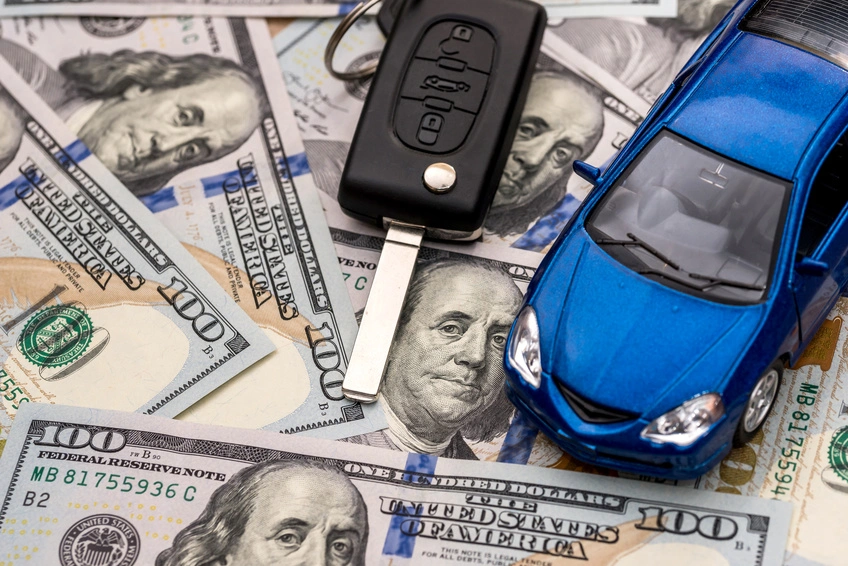
Cash vs Financing: Which Used Car Payment Method is Best?

cash-vs-financing-which-used-car-payment-method-is-best

Cash vs. Financing: Which Used Car Payment Method is Best? | Buying a used car in 2026 requires a sharper financial strategy than it did just a few years ago. Once you find the perfect vehicle at a dealership like The Car Store Iowa, a major question naturally arises: is it better to pay in full with cash or opt for financing?

The choice between paying cash or financing does not have a single, one-size-fits-all answer. The wisdom of this decision depends heavily on comparing the auto loan interest rate offered against the potential return on investment (ROI) if you were to put that money elsewhere. Let’s break down the current used car market realities and the underlying financial factors so you can make the smartest and most profitable choice for your wallet.

Understanding the 2026 Used Car Market Realities

cash-vs-financing-which-used-car-payment-method-is-best

Current economic conditions have brought the used car market back to a much more stable and predictable pattern. We are no longer living in the chaotic era of the early 2020s, where used car prices skyrocketed due to microchip shortages and global supply chain disruptions.

Today, pre-owned vehicles follow normal depreciation curves. This means that the moment a car leaves the lot or changes hands, its value decreases gradually over time and usage. Recognizing this fact is crucial when choosing your payment method, as you certainly want to avoid being tied to a long-term loan for an asset that is constantly losing value.

On the flip side, the current interest rate landscape for used car loans is relatively high. On average, used car financing rates range anywhere from 7.70% to 19.42%. The exact figure is heavily dictated by your credit score. Buyers with an excellent credit history might still negotiate lower rates, hovering between 5% and 7%, typically through local credit unions or specialized lenders working directly with trusted dealerships.

The Best Scenarios for Paying Cash

Purchasing a used car with cash is the wisest move if your main priority is peace of mind and staying debt-free. This path becomes the ideal option when average market loan rates climb past 7% or 8%, or if your current credit score prevents you from getting anything other than a high-interest offer.

Advantages of Buying with Cash

Shelling out the full amount upfront delivers several significant long-term financial benefits:

  • Zero Interest Charges: The most obvious perk is that you won’t pay a single cent in interest. This can save you thousands of dollars that would otherwise be wasted on financing fees over the lifespan of a loan.

  • Eliminating a Monthly Expense: Without a car payment hanging over your head each month, your regular cash flow becomes much more flexible. Money that would have gone toward a monthly bill can now be redirected to emergency needs or other savings goals.

  • No Risk of Being Underwater: Negative equity occurs when your remaining loan balance is higher than the actual market value of the car. By paying cash, you own the vehicle outright from day one, meaning market price drops will never stress you out.

Disadvantages of Buying with Cash

However, parting with a massive lump sum of liquidity for a depreciating asset comes with downsides that require careful consideration:

  • The Reality of Opportunity Cost: The cash used to buy the vehicle instantly loses its power to grow. If that money were kept in a High-Yield Savings Account (HYSA) or a Certificate of Deposit (CD) with a guaranteed high yield, it could be generating steady passive income for you instead.

  • Reduced Financial Liquidity: Buying a car entirely in cash often tempts buyers to dip into their emergency funds. Wiping out your cash reserves for a vehicle is highly risky, as unexpected medical expenses or urgent home repairs can happen at any time.

  • Missed Credit-Building Opportunities: For anyone actively trying to establish or improve their financial reputation, skipping a loan means missing out on adding a positive installment account to their credit bureau history.

When Financing Becomes the Smarter Play

cash-vs-financing-which-used-car-payment-method-is-best

Choosing a loan or financing option does not imply an inability to afford the vehicle. In fact, investors and financial advisors frequently choose this route for strategic reasons. Financing becomes the superior strategy if you can lock in a low interest rate (such as 4% to 5%) and have a concrete plan to utilize your remaining cash in areas that generate higher returns.

Advantages of Financing

Financing through a reputable lender grants you a level of flexibility that cash purchases simply cannot replicate:

  • Preserving Your Liquid Cash: You don’t have to sacrifice your safety net. Your emergency fund and savings remain intact at the bank, providing security during periods of economic uncertainty.

  • Potential for Financial Arbitrage: If you secure a low auto loan rate and simultaneously invest your liquid cash into an investment vehicle yielding higher returns than the loan interest, you are mathematically making money on the difference.

  • Boosting Your Credit Profile: Making consistent, on-time monthly payments will reflect beautifully on your credit report. This makes it much easier to qualify for larger financing needs down the road, such as a home mortgage.

  • Greater Flexibility in Choosing a Vehicle: With a structured payment plan, you might be able to step up to a slightly newer model, one with better safety features or superior fuel efficiency, without draining your bank account on day one.

Disadvantages of Financing

Behind the convenience of gradual payments lie some very real consequences you must be prepared to handle:

  • Higher Overall Purchase Cost: Compound interest over a 3- to 5-year loan term means the total amount of money leaving your pocket will end up far exceeding the original sticker price of the car.

  • A Binding Monthly Obligation: A car loan is a legal contract. Rain or shine, employed or facing a sudden layoff, you are required to make that payment every single month, which can cause intense stress if your financial situation shifts unexpectedly.

  • The Threat of Negative Equity: Because used vehicles depreciate normally, you run the risk of your car’s value dropping faster than you can pay down the principal balance, especially if you choose a lengthy loan term with a minimal down payment.

Guidelines for Choosing Your Strategy

How do you make the final call? You can use this simple checklist as your decision-making framework:

  1. Check Your Rates First: Get a pre-approval quote from a credit union or your dealership. If the interest rates offered scale past 8%, paying cash is generally better if you have the funds available.

  2. Test Your Emergency Fund: Calculate how much savings you will have left after paying for the car. If paying cash leaves you with less than 3 to 6 months of living expenses, finance a portion of the vehicle instead—combining a large down payment with a small loan to protect your liquidity.

  3. Evaluate Your Investment Discipline: Be honest with yourself. If you choose financing to keep cash for investments, will you actually invest that money? Or will it slowly disappear into everyday lifestyle expenses? If you do not have an active investment plan, paying cash is the safest way to “guarantee” a return by avoiding interest fees.

Everyone’s financial profile is completely unique. The best course of action before signing any paperwork is to check your credit score, map out your monthly budget, and sit down with the finance team at a reputable dealer like The Car Store Iowa to explore the specific financing packages available for your situation. With the right approach, you can drive home your next vehicle while keeping your long-term financial stability completely intact.

Juni 10, 2026 | Nireser

Iowa Used Car Sales Tax Explained

iowa-used-car-sales-tax-explained

Iowa Used Car Sales Tax Explained | Buying a used car is often a smart financial move. However, the excitement of finding the perfect vehicle can quickly fade if you are suddenly hit with a stack of unexpected administrative costs when transferring the paperwork. For Iowa residents, the vehicle ownership transfer system comes with a set of rules that are quite unique compared to other states across the country.

If you plan to bring home a pre-owned vehicle in The Hawkeye State, understanding the cost components beyond the car’s sticker price is an absolute must. From unique tax terms to dynamic annual calculation formulas, here is a complete breakdown of the regulations and fees you need to prepare for so your transaction goes smoothly without any legal hurdles.

The Unique Tax Rule: Fee for New Registration

iowa-used-car-sales-tax-explained

One fundamental thing that often triggers misunderstandings for first-time buyers in Iowa is the term “sales tax.” When you buy electronics or clothing, you are charged a standard local sales tax. However, this rule does not apply to registered motor vehicles.

The state of Iowa replaces the vehicle sales tax component with a special instrument called the Fee for New Registration. This rule binds everyone, whether you are transacting directly at a large licensed dealership or buying from a next-door neighbor through a private party sale.

This cost component consists of a flat nominal fee of $10, which is then added to 5% of the vehicle’s total net purchase price. This 5% value is what everyday people often mistake for a standard sales tax because the percentage feels similar to other goods.

The good news is that the Iowa system offers regulatory relief for consumers who do a trade-in. If you bring your old car to the dealer to be used as a price reducer for the car you want to buy, you get the benefit of a reduced tax burden. The system will subtract the trade-in value of your old car from the purchase price of the new one. The result of that subtraction is what is multiplied by the 5% fee, plus the flat $10. This scheme definitely helps lower your upfront cash outlays.

Strict Caps on Dealer Fees

Stepping into a used car dealership can sometimes feel intimidating because of the potential for hidden extra fees slipped into the final contract. In Iowa, you can breathe a little easier because the local government enforces strict regulations to protect consumers from inflated paperwork charges.

The main component you will encounter is the Documentation Fee, commonly abbreviated as Doc Fee. This covers the cost of handling documents, filing paperwork with the state, and internal dealer administration. Fortunately, Iowa state law strictly caps this dealer processing fee at a maximum of $180. Dealerships are legally prohibited from drawing administrative fees above that ceiling.

Additionally, you might hear the term Destination Fee or delivery charge. As an important note, this fee is generally only relevant for brand-new vehicle units shipped directly from the factory to the dealer. If you find this fee appearing on a used car purchase draft, make sure to ask the dealer about it in detail—unless the used car was specifically ordered and transferred from an out-of-state dealership branch at your request.

Title Transfers and the Dynamic Annual Registration

Once the car payment transaction is complete, the next crucial step is to legalize ownership at your local County Treasurer office. This is where you will pay for the issuance of a new certificate of ownership (title) and license plates.

To process the change of ownership or Title Fee, you are charged a fixed rate of $35. This fee must be paid regardless of the buying channel. However, if you purchase the car using a loan or financing from a bank or lending institution, there is an additional Lien Fee of $20. This extra fee serves to record the lender’s security interest on your car title until the loan is fully paid off.

Next, the component that requires deeper calculation is the Annual Registration Fee. Unlike some states that apply a flat rate for all car types, Iowa uses a fair but dynamic combination formula. This annual fee is calculated based on the vehicle’s original factory list price and its total weight.

The great news for used car hunters is that this registration fee burden is designed to depreciate as the vehicle ages. The rate reduction structure is divided into several vehicle age categories:

  • Vehicles 1 to 7 Years Old: In this prime age phase, vehicle owners are required to pay the full rate of 1% of the original vehicle list price, plus the weight component.

  • Vehicles 8 to 9 Years Old: Entering this age bracket, the rate begins to ease and drops to 0.75% of the initial factory list price.

  • Vehicles 10 to 11 Years Old: The annual burden is cut again to just 0.50% of the initial list price.

  • Vehicles 12 Years or Older: When a car is considered older or well-matured, the percentage formula no longer applies. The Iowa government enforces a highly affordable flat rate of just $50 per year.

This depreciation system makes owning a slightly older used car an incredibly economical option from an annual tax perspective in Iowa.

Critical Deadlines and Late Penalties

iowa-used-car-sales-tax-explained

Time management is key when dealing with vehicle legalities in Iowa. The state government provides a strict calendar window of 30 days, starting from the date of sale printed on the bill of sale or title document.

Within that one-month window, you must complete the entire title transfer process and pay the Fee for New Registration at the County Treasurer office. If you miss this 30-day deadline, you will face late penalties that accumulate onto your total administrative bill.

What if you need to drive the car immediately while the document processing takes a few days? The solution is to purchase a 30-day temporary permit. You can apply for temporary plates for a fee of $25 at the county treasurer’s office. This facility provides full legality for you to hit the Iowa roads without worrying about getting a ticket from law enforcement while your permanent paperwork is being processed.

Extra Disclosure Obligations for Private Sales

Buying a car directly from the previous owner without a dealer middleman often offers a lower price tag. However, this independent route demands extra attention regarding supporting documents. Both you and the seller share equal legal responsibilities to ensure the vehicle’s condition transparency.

When handing over the certificate of ownership (title), make sure the back of the document is filled out completely and honestly. There are two crucial sections that must be completed:

First is the Odometer Statement. Both parties must write down the accurate mileage reading at the time of the transaction to avoid data manipulation disputes in the future.

Second is the Damage Disclosure Statement. This document records whether the car has ever experienced major accident history or significant structural damage.

In addition to the two statements above, always complete your transaction with a formal Bill of Sale signed by both parties. This written document serves as strong proof of the actual agreed purchase price, which will later be used by the County Treasurer to calculate your 5% Fee for New Registration. With clean, complete, and transparent documentation, you can enjoy your chosen used car on Iowa roads with absolute peace of mind.

Juni 5, 2026 | Nireser

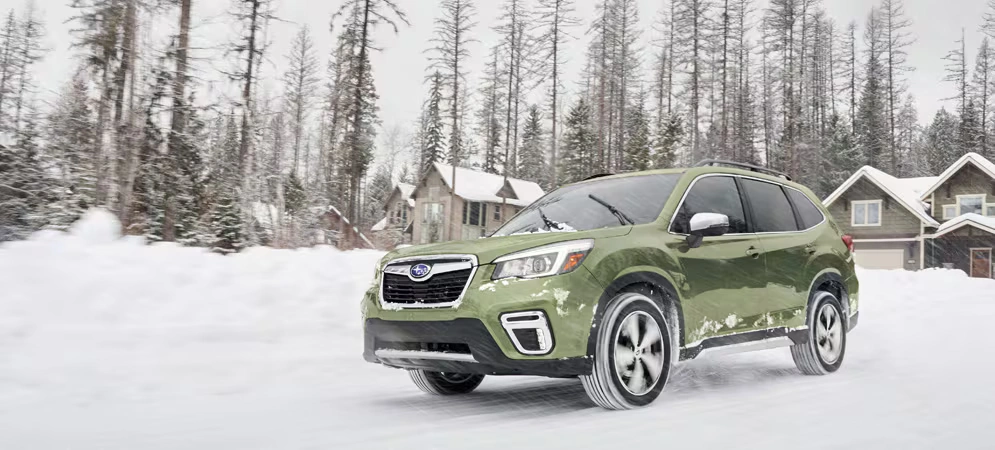
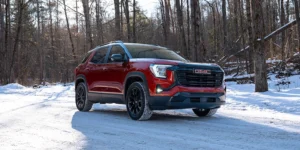
5 Best Used SUVs Ready for Tough Iowa Winters

5-best-used-suvs-ready-for-tough-iowa-winters

5 Best Used SUVs Ready for Tough Iowa Winters | Surviving an Iowa winter requires much more than just a heavy coat and a reliable home heating system. For drivers, the extreme drops in temperature—accompanied by heavy snowfall, thick slush, and wind-drifted rural roads across the Midwest—present a severe annual challenge. Being behind the wheel of the wrong vehicle when a sudden blizzard hits can turn a routine commute into a stressful, or even dangerous, experience.

Because of this, driving a capable vehicle is no longer a luxury; it is an absolute necessity for your safety. For those currently shopping the pre-owned market, upgrading to an SUV equipped with All-Wheel Drive (AWD) or Four-Wheel Drive (4WD) is a highly practical decision. These drivetrain systems deliver the extra traction needed when smooth asphalt transforms into a treacherous sheet of ice.

However, not all SUVs are engineered equally when it comes to taming extreme weather. This guide breaks down the essential technical features you must look for when shopping for a pre-owned vehicle and highlights the top used models built to keep you safe and warm all winter long.

Non-Negotiable Features for Extreme Winter Driving

5-best-used-suvs-ready-for-tough-iowa-winters

Before browsing through dealership inventories, it is crucial to understand the mechanical components that enable an SUV to withstand severe winter storms. Buying a vehicle based solely on its outward styling or brand popularity will not guarantee it can handle a brutal Iowa freeze in January.

1. High Ground Clearance

When heavy snow accumulates in suburban neighborhoods or on rural routes before the snowplows arrive, low-riding vehicles easily get stuck. Packed snow can wedge underneath a low car, lifting the chassis and causing the tires to lose contact with the road—a frustrating scenario known as getting “high-centered.”

To prevent this risk, aim for a used SUV that offers at least 8 inches of ground clearance. This height provides enough space for the vehicle to safely clear snowbanks and icy drifts without damaging the fragile components underneath the undercarriage.

2. Smart Drivetrains: Active AWD or Full-Time 4WD

A standard two-wheel-drive vehicle (whether front-wheel or rear-wheel drive) often struggles to climb even minor inclines when roads are slick. This is where AWD and 4WD become indispensable.

  • AWD (All-Wheel Drive): Works completely automatically without requiring any driver intervention. Modern systems monitor wheel slip within milliseconds, instantly routing power to the wheels with the most grip.

  • 4WD (Four-Wheel Drive): Typically found on rugged, truck-based SUVs. This system is ideal for unplowed rural terrain because it locks power evenly across all wheels, providing maximum forward momentum through deep drifts.

3. Cold-Weather Packages

Cabin comfort is not just about luxury; it directly impacts driver focus. When your body is shivering, your driving reflexes slow down. While inspecting a used SUV, look for models equipped with factory winter upgrades. Features like heated front seats and a heated steering wheel make a freezing morning commute significantly more bearable. Additionally, heated side mirrors are vital for keeping your rear visibility clear of frost, ice, and condensation.

4. The Ultimate Game Changer: Winter Tires

A common misconception among many car buyers is that having an “AWD” badge on the tailgate means they can drive at highway speeds over ice using standard tires. In reality, a front-wheel-drive (FWD) or AWD vehicle riding on dedicated winter tires will easily outperform a highly advanced AWD SUV running on worn-out all-season tires. The rubber compound in winter tires is specifically engineered to stay soft in sub-zero temperatures, allowing the tread to bite into ice and packed snow far more effectively.

Top Used SUVs for Navigating Slippery Iowa Roads

5-best-used-suvs-ready-for-tough-iowa-winters

With those core features in mind, let’s review the best pre-owned SUVs on the market that have proven their durability and earned an excellent track record across the Midwest.

Subaru Forester and Subaru Outback

When it comes to vehicles built to battle the winter elements, Subaru is widely considered the gold standard. Both the Forester and the Outback come equipped with a legendary secret weapon: standard Symmetrical All-Wheel Drive. Unlike competitor brands that only offer AWD as an expensive upgrade on higher trim levels, Subaru includes it across almost their entire lineup.

The primary advantage of these two models lies in their continuous, balanced power distribution to all four wheels, giving drivers immense confidence when changing lanes on a slush-covered highway. Beyond their superior drivetrain, both the Forester and Outback boast an impressive 8.7 inches of ground clearance—beating out several much larger SUVs.

Choosing a used Forester gives you incredible outward visibility thanks to its large windows and upright seating position. On the other hand, if you prefer the smooth, car-like ride of a wagon with a long cargo area to carry winter sports gear, a used Outback is tough to beat.

Toyota RAV4

For a vast majority of car buyers, long-term reliability and strong resale value are the top priorities when shopping for a pre-owned vehicle. If you fall into this category, the Toyota RAV4 should be at the top of your list. This compact SUV has dominated the market for years due to its bulletproof engine durability and low maintenance costs.

When searching for a RAV4 on the used market, make sure to verify the unit is equipped with the AWD system. The AWD system on the RAV4 operates intelligently; it powers the front wheels during dry conditions to maximize fuel efficiency, but instantly engages the rear axle the moment it senses slippery road surfaces or freezing bridge decks. Its ability to cruise smoothly over icy blacktop makes the RAV4 an incredibly dependable daily driver for Iowa commuters.

Jeep Grand Cherokee

Occasionally, your daily commute might involve secondary country roads that are rarely touched by county snowplows. For these demanding scenarios, you need a vehicle with more muscle, and a used Jeep Grand Cherokee is the ideal answer.

Unlike its car-based compact rivals, the Grand Cherokee offers a true, heavy-duty 4WD system engineered for harsh conditions. Its robust frame is paired with an advanced terrain management system, allowing drivers to manually select a dedicated “Snow Mode.” This feature automatically optimizes gear shifts and torque distribution so the tires don’t spin out when accelerating from a dead stop in deep snow.

An added bonus of a used Grand Cherokee is its premium cabin comfort. Many used models available on the market come from mid-to-high-tier trims, meaning cold-weather packages—such as heated second-row seats and a heated steering wheel—are already included. It is the perfect choice for drivers who refuse to sacrifice luxury for rugged capability.

Honda CR-V

If you are looking for a pre-owned SUV that is gentle on your budget, highly fuel-efficient, yet completely capable of handling winter weather, the Honda CR-V is an excellent choice. As a pioneer in the compact SUV segment, the CR-V offers a practical package for growing families.

The active AWD system in the Honda CR-V is designed to deliver extra safety without hurting your gas mileage. Its spacious cabin layout and easy-to-fold rear seats provide outstanding versatility when loading up large grocery hauls during a winter storm. Combined with Honda’s reputation for hassle-free ownership, a used CR-V is a safe, highly functional choice for budget-conscious buyers.

Smart Pre-Purchase Inspection Advice

Finding the right model is only the first step. Because you are shopping for a used vehicle in a region where road salt is heavily used to melt ice, a few extra inspection steps are mandatory before signing any paperwork.

Always take the time to inspect the vehicle’s undercarriage thoroughly using a flashlight, or ask a trusted mechanic to put the car on a hydraulic lift. Rust caused by road salt exposure is the number one enemy of vehicles in the Midwest. Avoid buying any vehicle that shows structural rust damage on the frame, no matter how attractive the sticker price might be.

Furthermore, request a comprehensive vehicle history or service report to confirm that the AWD or 4WD system has received routine differential fluid changes. A properly maintained drivetrain ensures you will never find yourself stranded on the shoulder of the road in the middle of a freezing Iowa blizzard. With the right preparation and the right vehicle, you can face everything winter throws at you with complete peace of mind.

Juni 1, 2026 | Nireser

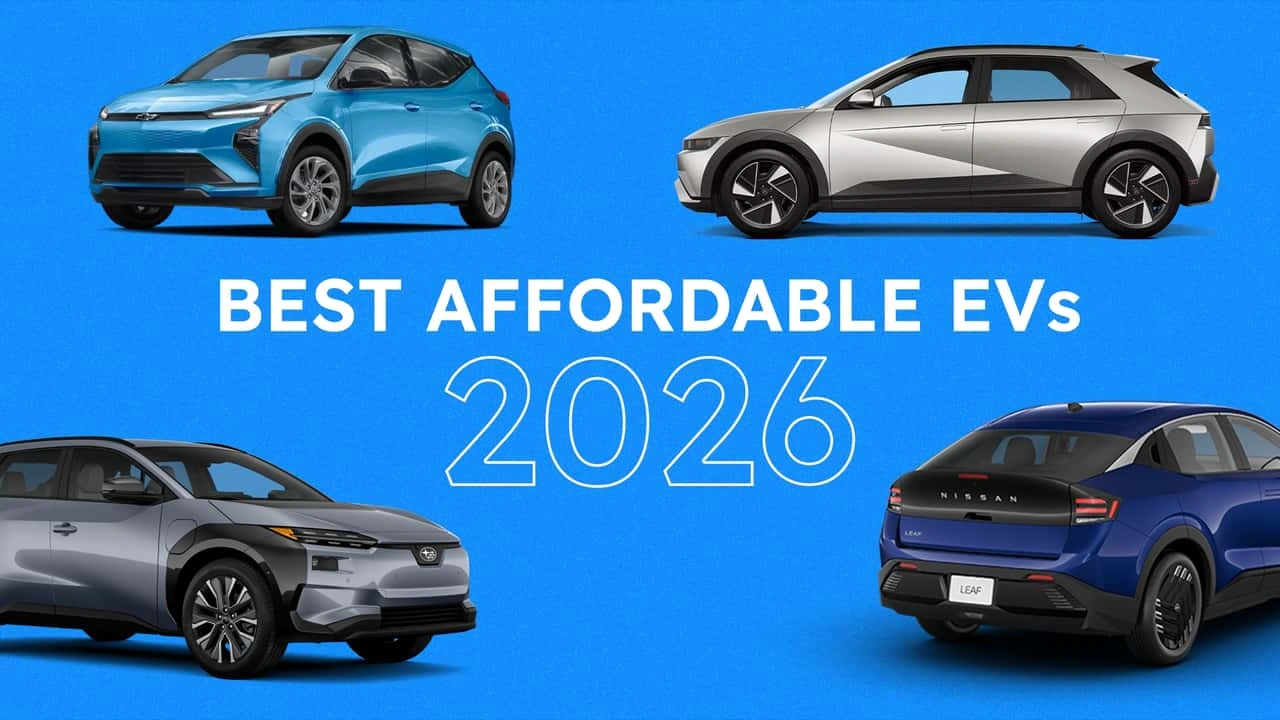
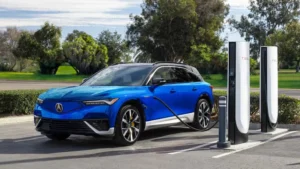
Smart Guide to Buying a Used Electric Vehicle (EV) in 2026

smart-guide-to-buying-a-used-electric-vehicle-ev-in-2026

Smart Guide to Buying a Used Electric Vehicle (EV) in 2026 | Shopping for a pre-owned electric vehicle (EV) is one of the smartest financial moves you can make right now. Thanks to depreciation trends on early models, the secondhand market is flooded with high-quality EVs at historically low price points.

However, shopping for a battery-powered car requires a different approach than inspecting a traditional gas vehicle. To ensure your investment is safe and cost-effective, here is a practical breakdown of what you need to know before signing the paperwork.

1. The Big Three Checks: Battery, Warranty, and Charging

smart-guide-to-buying-a-used-electric-vehicle-ev-in-2026

Do not get distracted by a flawless exterior or a clean interior. When evaluating a pre-owned EV, your primary focus should be on these three critical areas:

  • State of Health (SoH): Just like a smartphone, an EV battery’s maximum capacity degrades over time. Ask the dealer for a certified battery diagnostic printout, or use the car’s built-in center console diagnostics (standard on models like Tesla) to check the SoH. For long-term peace of mind, aim for a vehicle with a SoH between 80% and 85%.

  • Battery Warranty: Most manufacturers offer an 8-year or 100,000-mile warranty specifically covering the EV battery. If you buy a 3-year-old vehicle, it will likely retain 5 years of factory battery coverage. Always verify that this warranty is fully transferable to the second owner.

  • Charging Speeds and Ports: Some older EVs (pre-2020 models) only support slower AC charging rather than modern DC rapid charging. Make sure the vehicle features a CCS or CCS2 charging port so you are not locked out of modern, fast public charging networks during road trips.

2. Best Used EV Deals on the Market

Because the 2026 pre-owned market is packed with off-lease inventory and trade-ins, several standout models offer maximum value for your money:

  • Hyundai Ioniq 5 & Kia EV6: Highly recommended for their advanced 800-volt architecture. This technology allows them to retain incredibly fast charging speeds and maintain highly efficient real-world driving range.

  • Tesla Model 3: The safest bet for first-time EV buyers. Its main advantages include seamless access to the expansive Supercharger network, regular over-the-air software updates, and high resale liquidity.

  • Budget-Conscious Urban Drivers: If your daily commute is short, compact runabouts like a used Nissan Leaf (aim for the 40 kWh battery or larger), or early BYD and MG models are fantastic, low-cost alternatives.

3. Hidden Costs and Maintenance Realities

One detail that often catches buyers off guard is the unique physical wear on electric vehicles. Because of heavy battery packs and instant torque, EV tires tend to wear out much faster than those on conventional cars. Inspect the tire tread depth thoroughly before finalizing the sale.

On the bright side, you will save significantly on brake maintenance. EV regenerative braking systems handle most of the deceleration, meaning brake pads and rotors last much longer than usual.

Beyond the car itself, make sure to factor the upfront cost of a Level 2 (240V) home wallbox installation into your overall budget. Charging your EV overnight at home is drastically cheaper than relying exclusively on public fast-charging stations.

4. Financing and Incentives

The final step is structuring your payment plan. Many regions offer specific government rebates, tax credits, or lowered registration fees for secondhand clean-energy vehicles. Take advantage of these incentives to lower your total cost of ownership.

If you opt for dealership financing or a loan, do not just focus on a low monthly payment. Compare the Total Amount Payable across different financial institutions to ensure you secure the best interest rates and loan terms.

Finding a high-quality used electric vehicle is simple as long as you prioritize battery health and verified maintenance records. By capitalizing on current market dips, you can enjoy a high-tech, modern driving experience without emptying your savings account.

Ready to explore our latest pre-owned EV inventory? Visit us or schedule a consultation with our automotive experts today!

Maret 7, 2026 | Nireser

Detecting Advanced Odometer Tampering Techniques

Detecting Advanced Odometer Tampering Techniques

Detecting Advanced Odometer Tampering Techniques – Buying a used car can feel like a smart financial decision. Prices are usually lower, depreciation has already happened, and you can often find reliable vehicles at a fraction of the cost of a new one. However, one hidden risk still affects the used car market worldwide: odometer tampering.

Modern technology has made vehicles smarter, but it has also created new opportunities for fraud. Some dishonest sellers manipulate mileage readings to make a vehicle appear less used than it actually is. This tactic increases the car’s resale value and can easily mislead buyers who rely only on the number displayed on the dashboard.

Understanding advanced odometer tampering techniques is essential if you want to protect yourself from costly mistakes. By learning how these methods work and recognizing the warning signs, you can make more confident decisions when purchasing a pre-owned vehicle.

Why Odometer Fraud Still Happens Today

Odometer rollback is far from a new problem. For decades, scammers have tried to reduce mileage readings to increase a vehicle’s perceived value. Even though regulations and digital systems have improved, the problem has not disappeared.

One reason is simple: mileage significantly affects a car’s price. Lower mileage typically suggests less wear on the engine, suspension, and transmission. As a result, a vehicle showing 60,000 miles will usually sell for much more than the same model with 160,000 miles.

With modern digital odometers replacing mechanical counters, many buyers assume tampering is no longer possible. Unfortunately, that assumption is wrong. Advanced tools and software allow experienced fraudsters to manipulate digital systems in ways that are difficult to detect at first glance.

This is why learning about digital odometer fraud detection and used car mileage verification has become increasingly important for anyone entering the second-hand vehicle market.

Common Methods Used in Modern Odometer Tampering

Today’s vehicles rely heavily on electronic systems. While these systems offer many advantages, they also create new points of vulnerability. Advanced odometer tampering techniques often involve accessing a vehicle’s electronic control units, also known as ECUs.

ECU Reprogramming

One of the most common methods involves directly reprogramming the ECU. The ECU stores mileage data, and specialized diagnostic tools can alter that information within minutes. Some devices plug directly into the vehicle’s diagnostic port, allowing the operator to adjust the mileage reading without dismantling any components.

Because the process leaves little visible evidence, many buyers never realize the odometer has been manipulated.

Cluster Replacement

Another technique involves replacing the instrument cluster. The instrument cluster contains the display that shows the mileage. A seller might install a cluster taken from a vehicle with lower mileage, instantly changing what the dashboard shows.

In some cases, scammers even purchase refurbished clusters that allow mileage to be reset before installation. Without checking the vehicle’s history records, this manipulation can easily go unnoticed.

Mileage Synchronization Tools

More advanced fraud schemes rely on synchronization devices that alter mileage data across multiple modules in the vehicle. Modern cars often store mileage information in several electronic systems. Fraudsters use specialized software to update all of them simultaneously so the numbers match.

This tactic makes used vehicle odometer fraud much harder to detect during basic inspections.

Warning Signs of Possible Mileage Rollback

While sophisticated tools make tampering easier, there are still clues that can reveal a suspicious mileage reading. Paying attention to small details can prevent expensive mistakes.

One of the first things to examine is the overall condition of the vehicle. If the odometer shows very low mileage but the interior looks heavily worn, something may be wrong. Look closely at the steering wheel, pedals, driver’s seat, and gear shift. Excessive wear in these areas often suggests more use than the mileage indicates.

Another important step involves reviewing maintenance records. Legitimate service documents typically include mileage readings from previous inspections, oil changes, or repairs. If the numbers suddenly decrease or jump inconsistently, the vehicle may have been tampered with.

Vehicle history reports also play a crucial role in detecting mileage inconsistencies. Many services track recorded mileage during title transfers, insurance claims, and emissions testing. Comparing these records with the current odometer reading can reveal suspicious patterns.

How Technology Helps Detect Mileage Manipulation

While technology enables fraud, it also helps investigators and buyers uncover it. Automotive diagnostics have become increasingly advanced, making it easier to verify mileage data stored throughout a vehicle.

Professional mechanics can scan multiple modules within a car’s electronic system. Because modern vehicles store mileage information in several locations, discrepancies may reveal tampering. If the dashboard reading differs from data stored in another module, the odometer may have been altered.

Some newer vehicles also record driving patterns, service intervals, and engine operation data. By analyzing this information, technicians can estimate whether the displayed mileage realistically matches the vehicle’s usage.

In addition, blockchain-based vehicle history systems are beginning to appear in the automotive industry. These systems create tamper-resistant records of maintenance, ownership changes, and mileage updates, making fraud much more difficult in the future.

Smart Steps Before Buying a Used Car

Detecting advanced odometer tampering requires more than just a quick look at the dashboard. Buyers should take several precautionary steps before finalizing a purchase.

Start by requesting a full vehicle history report. These reports provide insight into past registrations, recorded mileage, and previous ownership changes. Consistent mileage records over time are usually a good sign.

Next, inspect the vehicle carefully or bring a trusted mechanic. A professional inspection can reveal mechanical wear that contradicts the displayed mileage. Mechanics often recognize patterns of use that casual buyers might overlook.

It’s also wise to compare the car’s condition with typical wear levels for that mileage. A vehicle claiming extremely low mileage should look and feel relatively fresh, especially inside the cabin.

Finally, pay attention to the seller’s transparency. Honest sellers are usually comfortable sharing documentation, maintenance receipts, and inspection results. Hesitation or vague explanations may indicate something is being hidden.

The Importance of Mileage Transparency

Accurate mileage is more than just a number. It influences vehicle value, maintenance planning, and safety expectations. Cars with higher mileage often require more frequent servicing, while low-mileage vehicles typically command higher prices.

When odometer tampering occurs, buyers may unknowingly pay far more than the vehicle is worth. They may also face unexpected repair costs because the car has experienced more wear than the mileage suggests.

Governments in many countries consider odometer fraud a serious offense, often punishable by fines or criminal charges. Despite these regulations, the practice still appears in private sales and some unregulated markets.

That is why awareness remains the most effective defense.

Staying One Step Ahead of Odometer Fraud

As automotive technology evolves, so do the methods used by fraudsters. Advanced odometer tampering techniques may continue to change, but the fundamental strategy remains the same: making a vehicle appear less used than it truly is.

For buyers, the best protection lies in research, careful inspection, and verification through multiple sources. Combining vehicle history reports, professional diagnostics, and a thorough visual inspection significantly reduces the risk of falling victim to mileage manipulation.

The used car market offers many excellent opportunities, but informed buyers always perform due diligence before making a purchase. By understanding how modern odometer fraud works and learning how to detect suspicious signs, you can navigate the market with greater confidence and avoid costly surprises.

Maret 4, 2026 | Nireser

Understanding Used Car Titles: Clean, Salvage, and Rebuilt

understanding-used-car-titles-clean-salvage-and-rebuilt

Understanding Used Car Titles: Clean, Salvage, and Rebuilt | Shopping for a used vehicle often feels like a balancing act between finding a great deal and avoiding a hidden nightmare. In the automotive market, a vehicle’s title is the most critical piece of paperwork you need to review. The title status, or “brand,” acts as an official legal record of the car’s damage and repair history.

Before you sign a bill of sale or hand over your hard-earned money, it is vital to understand the exact definitions of the three most common title types: Clean, Salvage, and Rebuilt.

1. Clean Title: The Gold Standard for Car Buyers

understanding-used-car-titles-clean-salvage-and-rebuilt

A vehicle carrying a Clean Title indicates that it has a clear history free of catastrophic incidents. This status serves as official verification that the car has never been declared a total loss by an insurance provider due to severe collisions, fires, or major flood damage.

  • Legal Status: Clean-title vehicles are fully road-legal. Registering, transferring ownership, securing comprehensive insurance, and obtaining dealership financing are straightforward processes without extra hurdles.

  • Market Value: These vehicles command the highest market value. The higher upfront cost pays off significantly in terms of everyday peace of mind and excellent long-term resale value.

2. Salvage Title: A Major Red Flag to Avoid

When a car suffers severe damage from an accident or extreme weather like hail or flash floods, an insurance company assesses the repair costs. If fixing the vehicle costs more than a specific percentage of its actual worth—usually 75% to 80%—the insurer declares it a “total loss” and issues a Salvage Title.

  • Legal Status: Driving or registering a salvage-title car on public roads is strictly illegal. From a legal standpoint, it is considered a parts car or a scrap vehicle until it undergoes an extensive reconstruction process.

  • Market Value: These vehicles retain almost no retail value, trading strictly at scrap or component pricing. For the everyday buyer, walking away from a salvage title is always the safest choice.

3. Rebuilt Title: A Budget-Friendly Alternative with Risks

What happens when a salvage car is completely repaired? It receives a Rebuilt Title. This designation is granted to a previously totaled vehicle that has been thoroughly restored to a roadworthy condition and has passed a rigorous, state-mandated safety inspection.

  • Legal Status: Rebuilt vehicles are completely legal to register and drive. However, getting insurance can be tricky. Many major insurance companies refuse to offer full comprehensive coverage for rebuilt vehicles, or they might charge significantly higher monthly premiums.

  • Market Value: Rebuilt cars typically cost 20% to 40% less than their clean-title counterparts. While this heavily discounts your initial investment, keep in mind that these cars are notoriously difficult to resell down the road.

Essential Smart Buyer Tips

Protecting yourself from dishonest sellers requires a proactive approach. Always follow these two protective steps before purchasing any secondhand vehicle:

  • Pull a Vehicle History Report: Use trusted platforms like CARFAX or AutoCheck. This is essential for detecting “title washing”—a fraudulent practice where scammers move a damaged car to a state with looser regulations to wipe away a salvage brand.

  • Order an Independent Inspection: Never rely solely on a state inspection certificate. Hire a certified mechanic to inspect the vehicle’s structural integrity, check for frame damage (which compromises safety in future crashes), and verify that critical components like airbags are properly installed.

Taking the time to read and understand a vehicle’s title status can save you from massive financial trouble. If you prioritize long-term safety, hassle-free financing, and easy insurance, sticking to a Clean Title is your best bet. However, if you are working with a strict budget and fully understand the mechanical risks, a thoroughly inspected Rebuilt Title car can serve as a viable alternative.

Februari 26, 2026 | Nireser

How to Tell if a Used Car Has Been Well-Maintained

How to Tell if a Used Car Has Been Well-Maintained

How to Tell if a Used Car Has Been Well-Maintained – Buying a used car can feel like a gamble. At first glance, almost every car looks good in photos. Shiny paint, clean interior, low mileage — everything seems perfect. But the real question is this: has the car actually been well-maintained?

If you know how to spot the signs of proper maintenance, you can avoid expensive repairs and make a smarter investment. In this guide, we’ll walk through practical and easy ways to tell whether a used car has been taken care of or quietly neglected.

Why Maintenance History Matters So Much

A well-maintained car doesn’t just run better — it lasts longer, costs less to own, and gives you peace of mind. Regular oil changes, timely part replacements, and proper servicing protect the engine, transmission, suspension, and braking system.

On the other hand, poor maintenance can turn even a low-mileage vehicle into a money pit. Skipped services often lead to major mechanical problems that don’t show up during a short test drive.

That’s why checking maintenance history is just as important as checking the price.

Check the Service Records First

The first thing you should ask for is the service record. A well-maintained used car usually comes with documentation. This may include receipts, stamped service books, or digital records from authorized workshops.

Look for consistency. Oil changes should typically happen every 5,000 to 10,000 miles depending on the model. Brake service, coolant replacement, and transmission fluid changes should also appear regularly in the records.

If the seller cannot provide any documentation at all, that doesn’t automatically mean the car is bad. But it does increase the risk. In that case, you’ll need to inspect more carefully.

Look for Regular Oil Changes

Engine oil is the lifeblood of any vehicle. If a previous owner ignored oil changes, engine wear could be significant.

You can check this by pulling out the dipstick. Clean oil is amber or light brown. Very dark, thick, or gritty oil may suggest neglect. Also look under the oil cap. Sludge buildup is often a sign of poor maintenance.

Consistent oil changes are one of the strongest indicators that a used car has been well cared for.

Pay Attention to the Exterior Condition

The exterior of a vehicle tells a story. While small scratches are normal, excessive dents, mismatched paint, or rust spots may signal rough usage or lack of care.

Rust is especially important. Surface rust can be manageable, but deep rust around wheel wells, undercarriage, or door frames can become a serious structural issue.

Panel alignment also matters. Uneven gaps between doors, hood, or trunk might indicate previous accidents. Even if repairs were done, poor alignment could mean the car wasn’t restored properly.

A well-maintained car usually looks consistently cared for — even if it’s several years old.

Inspect the Interior for Wear and Tear

The interior condition can reveal how the owner treated the vehicle daily. Excessive wear on seats, torn upholstery, sagging headliner, or broken dashboard components may suggest neglect.

Check the steering wheel and pedals. If the mileage is low but these parts look heavily worn, something might not add up.

Test all electronics. Make sure the air conditioning works properly, windows move smoothly, infotainment systems respond correctly, and dashboard warning lights turn on and off as they should.

A clean, functional interior often reflects an owner who pays attention to maintenance.

Listen Carefully During the Test Drive

A test drive is your best opportunity to detect hidden issues. Start the engine and listen. A healthy engine should start smoothly without loud knocking or rattling sounds.

While driving, pay attention to acceleration. The car should shift gears smoothly without jerking or slipping. Vibrations at certain speeds may indicate tire imbalance, suspension problems, or alignment issues.

Test the brakes. They should respond quickly and smoothly without squealing or grinding noises.

Turn off the radio during the drive. Many sellers keep music playing to mask unusual sounds. Silence helps you focus on the car’s real condition.

Watch for Warning Lights

Modern vehicles are equipped with dashboard warning lights. When you start the car, all warning lights should briefly illuminate and then turn off.

If the check engine light stays on, it could indicate anything from a minor sensor issue to a serious engine problem. Don’t ignore it.

You can also use an OBD scanner to check for hidden error codes. Even if the light is off, stored codes can reveal past or current issues.

Check Under the Hood

Even if you’re not a mechanic, a basic visual inspection under the hood can tell you a lot.

Look for leaks around the engine. Wet or oily areas may signal problems. Check belts and hoses for cracks or excessive wear. Inspect the battery terminals for corrosion.

Fluids should be at proper levels and relatively clean. Transmission fluid should not smell burnt. Brake fluid should be clear to light yellow, not dark brown.

A clean engine bay doesn’t guarantee perfection, but heavy dirt buildup mixed with leaks often suggests neglect.

Review Ownership History

A vehicle that has had one or two long-term owners is often better maintained than one that has changed hands frequently.

Frequent ownership changes may indicate recurring problems. It’s worth checking the vehicle history report to see accident records, mileage consistency, and title status.

Consistency is key. A steady maintenance pattern over several years usually means the car was responsibly handled.

Consider a Professional Inspection

If you’re serious about buying, consider hiring a professional mechanic to inspect the car before finalizing the deal. A pre-purchase inspection can reveal hidden mechanical issues that are not obvious during a casual check.

Spending a small amount upfront can save you thousands in unexpected repairs later.

Even experienced buyers benefit from a second opinion.

Signs the Car Was Truly Well-Maintained

A well-maintained used car typically shows these characteristics: smooth engine operation, consistent service records, clean fluids, minimal rust, functional electronics, and stable driving performance.

Nothing feels forced. Everything works as expected. The car may not be perfect, but it feels solid and reliable.

When maintenance has been done properly, you can usually sense it.

Final Thoughts

Knowing how to tell if a used car has been well-maintained gives you a strong advantage in the buying process. Don’t rely only on appearance or mileage. Look deeper. Ask questions. Inspect carefully. Test thoroughly.

A car that has been cared for will reward you with reliability, lower repair costs, and longer lifespan. On the other hand, ignoring warning signs can lead to expensive mistakes.

Take your time, trust your observations, and always prioritize maintenance history over a tempting price tag. That’s how you turn a used car purchase into a smart long-term investment.

Februari 23, 2026 | Nireser

How to Get a Fair Trade-In Value for Your Used Car

How to Get a Fair Trade-In Value for Your Used Car

How to Get a Fair Trade-In Value for Your Used Car – Trading in your car should feel simple. You drive into a dealership, hand over the keys, and walk out with a better ride. But for many people, the biggest question is always the same: am I getting a fair trade-in value for my used car?

If you do not prepare properly, you could leave a lot of money on the table. Dealerships evaluate dozens of cars every week, and they know exactly how to spot weaknesses. The good news is that you can level the playing field. With the right steps, you can confidently negotiate and secure a fair trade-in value without stress.

Let’s walk through everything you need to know.

Understand How Trade-In Value Is Calculated

Before you try to negotiate, you need to understand how dealerships determine your car’s trade-in value.

Dealers typically look at several factors:

Mileage
Overall condition
Service history
Market demand
Vehicle history reports
Local supply and demand

They are not offering retail value. A dealership needs room for reconditioning costs, overhead, and profit when they resell the car. That is why trade-in offers are usually lower than private sale prices.

However, “lower” does not mean unfair. The goal is not to get private-party pricing. The goal is to get a fair trade-in value based on current market conditions.

Research Your Car’s Market Value First

One of the biggest mistakes car owners make is walking into a dealership without knowing their car’s estimated value.

Start by checking trusted valuation platforms like:

Kelley Blue Book
Edmunds
NADA Guides

These platforms provide trade-in value estimates based on your car’s year, make, model, mileage, and condition. Be honest when selecting the condition category. Most vehicles fall under “good,” not “excellent.”

It is also helpful to search local listings for similar vehicles. Check what dealers are asking for cars like yours. While asking price is not the same as trade-in value, it gives you a better sense of market demand.

When you walk into negotiations knowing your numbers, you immediately gain leverage.

Improve Your Car’s Condition Before Appraisal

First impressions matter. A dealership may inspect hundreds of cars each month, but presentation still plays a psychological role.

Clean It Inside and Out

A professional detail can make a surprising difference. Clean carpets, polished paint, and a fresh-smelling interior give the impression of a well-maintained vehicle. Even small improvements can influence how your car is perceived.

Wash the exterior, remove personal items, vacuum thoroughly, and wipe down surfaces. If your headlights are cloudy, consider restoring them. Small cosmetic fixes can add perceived value.

Fix Minor Repairs

You do not need to invest thousands in major repairs. However, small fixes can help protect your trade-in value. Replace burnt-out bulbs, repair minor scratches, and make sure all features work properly.

If there are warning lights on the dashboard, address them before appraisal. A check engine light can significantly reduce your offer because it signals uncertainty and potential repair costs.

Gather Maintenance Records

Dealers love documentation. If you have consistent oil change records, tire rotations, brake services, and other maintenance paperwork, bring it.

A well-documented service history increases trust. It shows the car was responsibly maintained, which lowers the dealership’s risk when reselling it.

If you serviced your car at a dealership, they may already have records in their system. Still, it is smart to bring copies to strengthen your position.

Time Your Trade-In Strategically

Believe it or not, timing can affect your trade-in value.

Certain vehicles are more desirable during specific seasons. Convertibles tend to sell better in warmer months. Four-wheel-drive SUVs and trucks gain popularity before winter in colder regions.

If you drive a fuel-efficient sedan during a period of rising gas prices, demand may increase. Market conditions directly impact how much a dealer is willing to pay.

Additionally, dealerships often have monthly or quarterly sales targets. Visiting near the end of the month may improve your negotiating position, as sales managers try to hit quotas.

Separate Trade-In Negotiation from Car Purchase

This is one of the smartest strategies you can use.

Dealerships often bundle the trade-in and the purchase into one combined negotiation. While this may seem convenient, it can blur the numbers.

Instead, negotiate the new car price first. Finalize that figure before discussing your trade-in. Once the purchase price is locked in, then shift the focus to your used car’s trade-in value.

This approach prevents confusion and makes it easier to evaluate whether you are receiving a fair offer.

Get Multiple Trade-In Offers

Never settle for the first offer.

Visit more than one dealership. Even if you plan to buy from a specific brand, you can still get trade-in quotes from other dealers. Some dealerships will buy your car even if you are not purchasing from them.

Online car-buying services can also provide instant estimates. While these offers are not always final, they give you another benchmark.

When you have multiple offers, you create competition. That competition often pushes the final number higher.

Be Honest About Your Vehicle’s Condition

Transparency builds credibility.

If your car has been in an accident, has mechanical issues, or needs upcoming maintenance, do not try to hide it. Dealers typically run vehicle history reports through systems connected to providers like Carfax.

If they discover undisclosed problems, trust erodes quickly. That can hurt your negotiation leverage.

Being upfront allows you to control the narrative and show that you are reasonable and realistic about the vehicle’s condition.

Know When to Walk Away

Sometimes the best negotiating tactic is simply being willing to leave.

If the offer is far below market estimates and the dealer refuses to budge, do not feel pressured to accept. You can always explore other dealerships or consider selling privately.

Walking away shows confidence. In some cases, the dealership may call you back with a better offer after reconsidering.

Consider Your Equity Position

If you still owe money on your car loan, check your payoff amount before negotiating. Compare that figure with your estimated trade-in value.

If your trade-in value is higher than your remaining loan balance, you have positive equity. That equity can be applied toward your next vehicle.

If you owe more than the trade-in value, you have negative equity. In that case, you will need to cover the difference or roll it into your new loan. Understanding this ahead of time prevents surprises during final paperwork.

Final Thoughts on Getting a Fair Trade-In Value

Getting a fair trade-in value for your used car is not about luck. It is about preparation, research, and smart negotiation.

Clean your vehicle. Fix minor issues. Gather service records. Research market value using trusted platforms. Separate negotiations and collect multiple offers.

When you approach the dealership informed and confident, you dramatically increase your chances of securing a strong offer.

Februari 17, 2026 | Nireser

How to Determine the True Mileage of a Used Car

How to Determine the True Mileage of a Used Car

How to Determine the True Mileage of a Used Car – Buying a used car can feel like a smart financial move. The price is lower, depreciation is slower, and you often get more features for your money. But there’s one detail that can completely change the value of a used vehicle: its true mileage.

Mileage is more than just a number on the dashboard. It directly affects resale value, maintenance costs, and overall reliability. Unfortunately, odometer fraud still happens. That’s why understanding how to determine the true mileage of a used car is essential before signing any deal.

In this guide, we’ll walk through practical ways to verify real mileage, spot red flags, and protect yourself from buying a car with manipulated records.

Why True Mileage Matters in a Used Car

When you’re shopping for a used vehicle, mileage is one of the first things you check. A lower number usually means less wear and tear. However, if the mileage has been altered, you could end up paying more for a car that has already lived a much harder life than it appears.

Higher mileage affects engine performance, suspension condition, transmission reliability, and even fuel efficiency. It also influences insurance premiums and future resale value. In short, accurate mileage tells you how much life the car realistically has left.

If the odometer has been rolled back, you’re not just overpaying. You’re potentially inheriting expensive repair problems.

Check the Vehicle History Report First

One of the easiest ways to verify mileage is through a vehicle history report. Services like Carfax or AutoCheck collect data from service centers, inspection stations, and registration offices. These reports usually include mileage readings recorded at different points in time.

When reviewing the report, look for consistency. The mileage should gradually increase over the years. If you see sudden drops or large gaps in reporting, that’s a red flag.

For example, if the car showed 120,000 miles two years ago and now displays 80,000 miles, that’s clearly suspicious. Even smaller inconsistencies can signal potential tampering.

A clean and consistent history report is not a guarantee, but it’s a strong first filter when determining the true mileage of a used car.

Inspect the Car’s Physical Condition

Sometimes the car itself tells a different story than the odometer.

Pay close attention to wear and tear inside the vehicle. A car showing 40,000 miles should not have heavily worn pedals, a shiny and smooth steering wheel, sagging seats, or faded control buttons. Excessive wear usually suggests higher usage.

Look at the driver’s seat bolsters. Check the rubber on the brake and accelerator pedals. Examine the gear shift knob. These parts show wear based on usage, not just age.

Also inspect the exterior. Stone chips on the hood, cloudy headlights, and worn door handles can indicate long-term heavy driving. While these signs don’t prove mileage fraud on their own, they help you assess whether the displayed mileage makes sense.

If the condition feels inconsistent with the number on the dashboard, trust your instincts and investigate further.

Review Maintenance and Service Records

Service records are one of the most reliable ways to confirm real mileage. Oil changes, tire rotations, brake replacements, and other maintenance tasks are usually documented with mileage at the time of service.

Ask the seller for complete maintenance records. Compare the dates and mileage entries. They should follow a logical progression over time.

If the car has been regularly serviced at a dealership, you can sometimes call the service department and verify records using the VIN. Many workshops keep digital logs that show historical mileage readings.

Gaps in service history are not automatically suspicious, but inconsistent mileage entries definitely are. Always cross-check records with the odometer reading.

Understand How Odometer Fraud Happens

To determine the true mileage of a used car, it helps to understand how fraud works.

In older vehicles with mechanical odometers, rolling back mileage required physical tampering. In modern cars with digital odometers, manipulation can be done electronically using specialized tools. While illegal in most countries, it still happens.

Fraudsters often target vehicles with high mileage and reduce the reading to increase resale value. This is especially common in private sales where there is less oversight.

Knowing this makes it clear why you should never rely solely on what you see on the dashboard.

Compare Mileage With Average Driving Patterns

Another practical way to evaluate true mileage is by comparing it with average annual driving habits.

On average, drivers cover around 10,000 to 15,000 miles per year. If a 10-year-old car shows only 20,000 miles, that’s unusually low. While it’s possible, it requires explanation.

Ask the seller about how the car was used. Was it a second vehicle? Was it mostly parked? Did the owner travel frequently without using the car?

Low mileage cars do exist, but they should come with a believable story and supporting documentation.

Get a Professional Inspection

If you’re serious about buying the car, invest in a pre-purchase inspection by a trusted mechanic. A professional can often estimate whether the vehicle’s condition matches the claimed mileage.

Mechanics look at engine wear, suspension components, brake condition, and even internal computer data. In some cases, electronic control modules store mileage information that can be cross-checked with the dashboard reading.

Spending a small fee on inspection can save you thousands in unexpected repairs later.

Check Government or Inspection Records

In many regions, periodic safety inspections or emissions tests record mileage at the time of inspection. These records can sometimes be accessed online or requested from local authorities.

If available, compare those records with the current odometer reading. Consistent data over time increases confidence that the mileage is accurate.

This extra step is particularly helpful when buying from a private seller.

Watch for Seller Behavior

Sometimes the biggest red flags are not technical but behavioral.

If the seller refuses to provide the VIN, avoids sharing service records, or pressures you to skip a vehicle history report, be cautious. Honest sellers are usually transparent and cooperative.

Pay attention to how questions about mileage are answered. Vague or defensive responses can signal that something isn’t right.

Trust and transparency matter just as much as paperwork when determining the true mileage of a used car.

Final Thoughts on Determining the True Mileage of a Used Car

Buying a used car doesn’t have to be risky, but it does require careful attention. True mileage plays a major role in the vehicle’s value, reliability, and long-term cost.

To recap, always start with a vehicle history report, review maintenance records, inspect physical wear, compare mileage with the car’s age, and consider a professional inspection. Each step adds another layer of protection.

Februari 13, 2026 | Nireser

How to Avoid Common Pitfalls When Buying a Used Car

How to Avoid Common Pitfalls When Buying a Used Car

How to Avoid Common Pitfalls When Buying a Used Car – Buying a used car can be an exciting experience, especially if you find the perfect vehicle at a great price. However, it can also be tricky if you’re not careful. From hidden mechanical problems to misleading sales tactics, there are several pitfalls that can turn your dream purchase into a nightmare. In this article, we’ll guide you through the most common mistakes and show you how to avoid them, helping you make a smart and confident choice.

Understanding the Risks of Buying Used

One of the first things you need to know is that buying a used car is very different from buying new. A new car comes with warranties, a spotless history, and usually predictable performance. A used car, on the other hand, has a history, and that history can sometimes be tricky to uncover. Sellers may omit details about accidents, repairs, or previous issues. That’s why doing your homework is so important before making any commitment.

Many buyers get caught up in the excitement of a low price and overlook crucial details. While it might be tempting to snap up a deal quickly, taking your time can save you from costly mistakes. Remember, a small upfront investment in research can prevent bigger expenses later on.

Do Your Homework Before You Look

Before you even step onto a car lot or browse online listings, take some time to research the type of vehicle you’re interested in. Look into common problems for that model, average market prices, and maintenance costs. Some cars might be cheap to buy but expensive to maintain. Knowing what to expect will help you identify whether a deal is genuinely good or too good to be true.

It’s also wise to check online reviews and forums. Other owners’ experiences can reveal patterns you won’t see in a sales ad. Pay attention to recurring complaints about engine issues, transmission problems, or electronics failures. This kind of insider information can help you make a smarter decision.

Inspect the Car Thoroughly

Once you’ve found a car that fits your budget and needs, it’s time to inspect it carefully. Don’t rely solely on photos or a brief glance at the exterior. Look for signs of wear and tear, rust, and any mismatched paint that could indicate body repairs. Check the tires for uneven wear and listen for unusual sounds when the engine is running.

If possible, bring along someone who knows cars well, or consider hiring a professional mechanic to perform a pre-purchase inspection. Mechanics can spot hidden issues that may not be obvious to an untrained eye, such as leaks, worn suspension parts, or engine problems.

Don’t Skip the Test Drive

A test drive is more than just a chance to see if you like the car. It’s a critical step in identifying potential issues. Pay attention to how the car handles, brakes, and accelerates. Listen for noises that could indicate engine or suspension problems. Check that all electronics, including lights, air conditioning, and the infotainment system, are functioning properly.

Driving the car in different conditions, like on highways and in stop-and-go traffic, can help you get a complete sense of its performance. A short drive around the block is not enough to uncover hidden issues.

Check the Vehicle History Report

One of the biggest mistakes buyers make is skipping the vehicle history report. These reports provide valuable information about past accidents, ownership history, title status, and even service records. Knowing if a car has been in a major accident or has a salvage title can save you from serious problems later.

Always cross-check the information in the report with what the seller tells you. If there are discrepancies, it’s a red flag. Transparency from the seller is crucial, and any reluctance to provide this information should raise suspicion.

Negotiate Smartly, Not Aggressively

Negotiating can be intimidating, but it’s an essential part of buying a used car. Do your research and know the market value of the car you want. Use any issues you discovered during your inspection or test drive to support your offer. Remember, a polite but firm approach is usually more effective than aggressive haggling.

It’s also important to set a budget before negotiating and stick to it. Don’t get swayed by a seller who pressures you into paying more than you can afford. The best deals come from patience and preparation.

Beware of Common Scams

Unfortunately, the used car market can attract dishonest sellers. Watch out for “curbstoning,” where dealers pose as private sellers, or vehicles that are misrepresented in terms of mileage or condition. Be cautious of deals that seem too good to be true, especially if the seller is pushing for a quick sale.

Always verify the seller’s identity and make sure all paperwork is legitimate. Avoid paying in cash without documentation, and don’t rush into a purchase without proper checks. Protecting yourself legally is just as important as inspecting the car itself.

Plan for Ongoing Costs

Even after buying a used car, your expenses don’t stop. Older vehicles may require more maintenance, repairs, and insurance coverage. It’s smart to budget for these ongoing costs to avoid surprises down the road. A car that looks affordable initially might end up costing more if it has frequent issues or poor fuel efficiency.

Consider setting aside a small emergency fund specifically for car repairs. This not only gives peace of mind but also ensures that you can maintain the vehicle properly without financial strain.

Trust Your Instincts

Finally, never ignore your instincts. If something feels off during the process, whether it’s the seller’s attitude, the car’s condition, or a missing piece of documentation, step back. Buying a used car is a significant investment, and it’s better to walk away than risk making a costly mistake. Often, the right car will come along when you’re prepared and patient.

Conclusion

Buying a used car doesn’t have to be stressful. By doing your research, inspecting the car carefully, taking a thorough test drive, and verifying its history, you can avoid the most common pitfalls. Always approach negotiations wisely, stay aware of potential scams, and plan for ongoing costs. With patience and preparation, you can find a reliable vehicle that fits your budget and needs.

Remember, the key to a successful used car purchase is knowledge. The more informed you are, the more confident you will feel—and that confidence can save you thousands of dollars in the long run.

Februari 10, 2026 | Nireser

Understanding the Real Value of a Used Car

Understanding the Real Value of a Used Car: Tips for Accurate Pricing

Understanding the Real Value of a Used Car – Buying or selling a used car can feel like navigating a maze. On one hand, you want to get a fair price, but on the other, it can be challenging to know exactly what a car is worth. Many buyers end up overpaying, while some sellers leave money on the table because they misjudge the vehicle’s value. Understanding the real value of a used car is crucial to making smart decisions, whether you’re buying your first vehicle or upgrading to a newer model. In this article, we’ll explore practical tips to help you determine accurate pricing and avoid common pitfalls.

Why Understanding a Car’s Value Matters

The value of a used car is not just a number on a sticker or a listing price. It reflects the car’s condition, age, mileage, brand reputation, and market trends. Misjudging a car’s worth can have serious consequences. Buyers might pay too much, which could lead to financial strain, while sellers might set an unrealistic price, causing their car to sit unsold for months. Understanding the real value ensures fairness for both parties and helps create a smoother transaction process.

Pricing a used car isn’t just about what it costs new or what similar cars are listed for online. It’s about knowing what that specific vehicle is actually worth based on its history and current condition. When you focus on this, you avoid unnecessary stress and get more confidence during negotiations.

Research Market Prices Thoroughly

One of the first steps in determining the value of a used car is researching market prices. Start by checking online listings for similar cars in your area. Pay attention to details like the year, mileage, trim level, and condition. Comparing multiple listings gives you a realistic idea of what people are paying for cars like yours.

Websites dedicated to car valuations can also be helpful. They consider factors like depreciation, demand, and model reliability to provide an estimated market value. While these tools aren’t always perfect, they offer a solid starting point and give both buyers and sellers a reference for negotiations.

Evaluate the Vehicle’s Condition

The condition of a used car is one of the biggest determinants of its value. Small scratches or cosmetic issues might not affect performance, but mechanical problems, worn tires, or a damaged suspension can significantly lower the car’s price.

Pay attention to both the interior and exterior. Check the engine, transmission, brakes, and electrical systems. For sellers, being honest about any existing issues builds trust and makes it easier to justify your asking price. Buyers should consider getting a professional inspection before committing, as this can reveal hidden problems that influence the car’s true worth.

Consider Mileage and Age

Mileage and age are often the easiest ways to gauge depreciation, but they aren’t the only factors. A car that’s ten years old with low mileage might be more valuable than a five-year-old car that’s been driven extensively. Similarly, some models hold their value better over time due to reliability and brand reputation.

Understanding how age and mileage affect pricing helps buyers avoid overpaying for older vehicles that have been heavily used, and it allows sellers to set competitive prices that reflect their car’s actual worth.

Check the Vehicle History

A car’s history can dramatically impact its value. Accidents, flood damage, or major repairs can lower the resale price, even if the car appears to be in good condition now. On the other hand, a well-maintained vehicle with documented service records can command a higher price.

Obtaining a vehicle history report is a smart step for both buyers and sellers. It adds transparency to the transaction and ensures the price reflects any past issues accurately. For buyers, this prevents unpleasant surprises. For sellers, it justifies a higher asking price if the history is clean.

Factor in Market Demand

Used car values are also influenced by market demand. Certain makes and models are more popular and retain value better, while others depreciate faster. For example, reliable sedans or compact SUVs may maintain higher prices due to steady demand, whereas luxury models or niche vehicles might have a smaller pool of buyers.

Being aware of market trends allows sellers to set a realistic price that appeals to buyers. For buyers, it helps in spotting good deals when a desirable car is listed below market value. Keeping an eye on demand and availability can make a big difference in achieving a fair deal.

Understand Depreciation and Resale Value

Depreciation is an unavoidable factor in a car’s value. Cars typically lose the most value in the first few years, but the rate of depreciation varies between models. Understanding this can help you set expectations for pricing and resale.

When buying, consider not just the purchase price but also the potential resale value in the future. Cars that retain their value better offer a safer long-term investment. For sellers, knowing how depreciation affects their car allows them to price it competitively while still making a reasonable profit.

Be Realistic About Extras and Modifications

While aftermarket upgrades or extra features might make a car more enjoyable, they don’t always add to its market value. Custom rims, sound systems, or other modifications might appeal to certain buyers, but many consider them unnecessary.

Focus on the car’s core attributes—condition, mileage, reliability, and service history—when determining pricing. Extras can be highlighted as bonuses, but they shouldn’t overshadow the main factors that define the car’s real worth.

Negotiate With Knowledge

Once you have a clear understanding of the car’s value, you can approach negotiations confidently. Buyers who know the market value, vehicle condition, and potential issues are in a stronger position to make fair offers. Sellers who can justify their price with facts, inspections, and documentation are more likely to sell quickly and at a reasonable price.

Negotiations should be about transparency and fairness rather than aggressive tactics. Being informed and reasonable builds trust and often leads to smoother transactions.

Conclusion

Understanding the real value of a used car takes a mix of research, inspection, and market awareness. By evaluating the vehicle’s condition, mileage, history, and demand, both buyers and sellers can make informed decisions that reflect the car’s true worth. Transparency, careful planning, and realistic expectations ensure that neither party overpays or undervalues the vehicle.

Whether you’re buying your first car or selling an old favorite, knowing how to accurately price a used vehicle saves time, reduces stress, and ensures a fair deal. Taking these steps not only protects your wallet but also makes the experience of buying or selling a used car more enjoyable and successful.

Februari 10, 2026 | Nireser

Used Car Auctions: Are They Worth the Risk?

Used Car Auctions: Are They Worth the Risk?

Used Car Auctions: Are They Worth the Risk? – Buying a car can be exciting, but it can also be nerve-wracking—especially if you’re considering used car auctions. For many people, the idea of scoring a great deal at an auction sounds like a dream come true. However, the reality is a bit more nuanced. Used car auctions can offer excellent bargains, but they also come with risks that any buyer should understand before stepping onto the lot.

Understanding How Used Car Auctions Work

At its core, a used car auction is a marketplace where vehicles are sold to the highest bidder. These auctions can be physical events at a specific location or online platforms where bidding happens in real time. Cars sold at auctions often come from dealerships, rental fleets, or repossessions, and their condition can range from pristine to problematic. The key difference from a traditional car sale is that you’re usually buying “as-is,” without the chance to negotiate warranties or repairs.

It’s also important to know the types of auctions available. Dealer-only auctions require a license to participate, while public auctions allow everyday buyers to place bids. Online auctions have grown in popularity, giving buyers the convenience of bidding from home, but they come with limited ability to inspect the car firsthand. Knowing the auction type can affect both the price and the risk involved.

Benefits of Buying at an Auction

One of the main draws of used car auctions is the potential for significant savings. Because cars are sold quickly and often without intermediaries, you can find prices below what you might see at a dealership. Auctions can also be a way to access vehicles that aren’t commonly available, whether it’s rare models or cars in unique condition.

Another advantage is speed. Unlike traditional car shopping, which can involve weeks of negotiation and dealership visits, auctions are fast-paced. You can walk away with a car on the same day you place a winning bid. For buyers who know exactly what they want and are confident in their knowledge of cars, this can be a huge time-saver.

The Risks You Need to Consider

Despite the benefits, there are definite risks when it comes to buying at a used car auction. One of the biggest is uncertainty about the vehicle’s condition. Many auction cars are sold “as-is,” meaning that any issues—mechanical, cosmetic, or legal—fall squarely on the buyer. Even a seemingly minor problem can lead to costly repairs down the line.

Another challenge is the competitive nature of auctions. Bidding can get heated, and inexperienced buyers might pay more than the car is worth in the heat of the moment. Emotional decisions in an auction setting can turn a great deal into an expensive mistake.

Additionally, some vehicles may have a complicated history. While auction houses provide reports, they might not cover every detail, and hidden problems like flood damage or odometer fraud can be hard to detect without a thorough inspection. This makes it critical to research and, when possible, get a mechanic’s evaluation before committing to a bid.

Tips for Reducing Risk at Used Car Auctions

If you decide to explore auctions, preparation is key. Start by setting a clear budget and sticking to it. It’s easy to get caught up in bidding wars, but knowing your limit helps prevent overspending.

Research the cars you’re interested in ahead of time. Check their market value, read vehicle history reports, and note any common issues specific to the model or year. If you’re attending a physical auction, try to inspect the car in person. For online auctions, rely on trusted platforms that provide detailed photos, inspection reports, and buyer protections.

It also helps to understand the auction process itself. Learn how bids are placed, what fees may apply, and the rules for winning vehicles. Being familiar with the process reduces the chances of surprises and allows you to make smarter, more confident decisions.

When an Auction Might Be the Right Choice

Used car auctions aren’t for everyone, but they can be a good option for certain buyers. If you’re knowledgeable about cars, enjoy the thrill of the auction environment, and are willing to accept some risk for the chance of a great deal, auctions can be very rewarding. Investors or dealers often frequent auctions for exactly this reason—they can flip vehicles for profit or secure inventory that would be hard to find elsewhere.

For everyday buyers, the key is caution. Focus on reliable vehicles with clear histories and be realistic about what you can handle in terms of repairs or maintenance. Treat the auction as an opportunity to find value, but not a guaranteed shortcut to a perfect car.

Final Thoughts: Are They Worth It?

Used car auctions offer a unique mix of opportunity and risk. While you might find a fantastic deal, there’s no denying the possibility of encountering hidden problems or overpaying in a competitive bid. The decision to participate should be based on research, preparation, and an honest assessment of your comfort level with uncertainty.

If you’re strategic, patient, and informed, auctions can be a valuable tool in your car-buying arsenal. But if you prefer predictability and peace of mind, traditional dealerships or private sales may be a safer route. Understanding the landscape and knowing what to expect can make the difference between a savvy purchase and an expensive gamble.

Februari 8, 2026 | Nireser

Used Car Trends from Past Decades Explained

Used Car Trends from Past Decades Explained

Used Car Trends from Past Decades Explained – The used car market has never been static. It evolves with economic shifts, technological progress, and changes in how people live and drive. Looking back at past decades gives us a clear picture of how consumer preferences formed and why certain used cars remain popular today. Understanding these trends also helps buyers, sellers, and industry watchers make smarter decisions in the current market.

From durability-focused vehicles in the 1980s to today’s tech-driven choices, each era left its mark on the used car landscape.

The 1980s: Practicality and Mechanical Simplicity

In the 1980s, used cars were primarily valued for one thing: reliability. Buyers weren’t chasing luxury or advanced features. They wanted a car that started every morning and could be repaired cheaply.

Japanese manufacturers began gaining serious traction during this decade. Brands like Toyota, Honda, and Nissan became known for engines that lasted far beyond expectations. Carbureted engines, manual transmissions, and minimal electronics made these cars easy to maintain. For many households, owning a used car was about necessity rather than lifestyle.

Fuel efficiency also played a big role. After the oil crises of the previous decade, drivers were cautious about fuel consumption. Compact sedans and hatchbacks dominated the used market, while large sedans and muscle cars slowly faded from everyday use.

The 1990s: Reliability Meets Comfort

The 1990s marked a turning point where comfort started to matter almost as much as reliability. Used cars from this era often featured power windows, improved air conditioning systems, and better interior materials.

Growing Trust in Used Vehicles

This decade saw growing confidence in buying used cars. Improved manufacturing standards meant vehicles lasted longer, making second and even third ownership more common. Certified pre-owned programs began to appear toward the end of the 1990s, changing how consumers viewed used cars.

Sedans remained dominant, but SUVs started to gain momentum. Vehicles like the Toyota 4Runner and Ford Explorer became popular in the used market because they offered versatility without sacrificing dependability.

Manual to Automatic Shift

Another notable trend was the gradual shift from manual to automatic transmissions. Automatics became smoother and more fuel-efficient, making them more appealing to a broader audience in the used car space.

The 2000s: SUVs, Safety, and Rising Expectations

The early 2000s transformed the used car market significantly. SUVs and crossovers exploded in popularity, and this demand quickly translated into the used segment.

Consumers now expected more from used cars. Safety features like airbags, ABS, and traction control became selling points rather than bonuses. A used car was no longer just a budget option; it was a smart alternative to buying new.

Technology Begins to Matter

Basic infotainment systems, CD players, and later MP3 compatibility became common expectations. While today these features feel outdated, at the time they influenced buying decisions heavily. Buyers started comparing models not just on engine reliability but also on interior tech and design.

Fuel prices fluctuated during this decade, briefly shifting attention back to compact cars, but SUVs maintained strong resale value in the used market.

The 2010s: Efficiency, Connectivity, and Value Retention

By the 2010s, the used car market had matured into a highly competitive and informed space. Buyers had access to online reviews, vehicle history reports, and pricing tools, which changed how deals were made.

Rise of Hybrid and Eco-Friendly Used Cars

Hybrid vehicles entered the mainstream used car market during this decade. Models like the Toyota Prius became popular not only for new buyers but also for those looking to save money in the long run. Fuel efficiency, emissions, and long-term ownership costs played a bigger role than ever.

At the same time, compact SUVs and crossovers replaced traditional sedans as the most sought-after used vehicles. Drivers wanted higher seating positions, flexible cargo space, and modern styling.

Stronger Focus on Resale Value

Resale value became a key factor. Brands known for longevity and low depreciation dominated the used market. Buyers started thinking ahead, choosing used cars that would still hold value years later.

The 2020s: Technology-Driven Used Car Demand

The current decade has reshaped used car trends faster than any before it. Supply chain disruptions, global events, and rising new car prices pushed many buyers toward used vehicles.

Advanced Features Become Standard Expectations

Modern used car buyers expect features that were once considered premium. Touchscreen infotainment, smartphone integration, backup cameras, and driver-assist systems are now part of the baseline. Cars from the late 2010s remain highly desirable because they offer modern tech without new car pricing.

Electric vehicles have also started influencing the used market. While still developing, used EVs are gaining attention as charging infrastructure improves and battery reliability becomes more proven.

Online Buying and Market Transparency

Another major shift is how used cars are bought and sold. Online platforms, digital inspections, and home delivery have become normal. Buyers research extensively before making contact, which puts more pressure on sellers to price accurately and disclose details clearly.

How Past Trends Shape Today’s Used Car Market

Every decade left lessons that still affect buying behavior today. The durability focus of the 1980s built trust in long-term ownership. The comfort and safety expectations of the 1990s and 2000s raised the baseline for what a used car should offer. The tech and efficiency trends of the 2010s shaped modern demand.

Today’s used car market is a blend of all these influences. Buyers want reliability, comfort, technology, and value, all at once. This combination explains why certain models consistently outperform others in resale and popularity.

What Buyers Can Learn from Past Decades

Understanding used car trends from past decades helps buyers make smarter decisions. Cars known for longevity in earlier eras often remain solid choices today. Vehicles that were ahead of their time in safety or efficiency tend to age better in the used market.

It also shows that trends are cyclical. Fuel efficiency becomes critical when prices rise, SUVs dominate when versatility is valued, and technology always finds a way to become essential.

Final Thoughts on Used Car Evolution

The evolution of used car trends reflects more than just changes in vehicles. It mirrors shifts in lifestyle, economic conditions, and technological progress. From simple, mechanically driven cars to today’s connected vehicles, the used car market continues to adapt.

For anyone involved in the automotive space, whether as a buyer, seller, or content publisher, understanding these historical patterns provides valuable insight. Used cars are not just leftovers from the new market. They are a living archive of how driving culture has changed over time.

Februari 5, 2026 | Nireser

Viral Car Content 2026: Supercar Tours & Custom Builds

Viral Car Content 2026: Supercar Tours & Custom Builds

Viral Car Content 2026: Supercar Tours & Custom Builds – Car content has always been popular online, but in 2026 it’s hitting a completely different level. Social platforms, automotive blogs, and video-sharing sites are being dominated by viral car content, especially around supercar tours and custom builds. These aren’t just flashy clips anymore—they’re full storytelling experiences that pull viewers into a lifestyle built around speed, design, and exclusivity.

From garage walk-throughs featuring multi-million-dollar hypercars to one-of-a-kind custom builds that blur the line between art and engineering, viral car content has evolved into a powerful digital trend. And for SEO-focused content networks, this niche is proving to be incredibly valuable.

Why Supercar Tours Are Exploding in 2026

Supercar tours are no longer simple videos showing parked cars. In 2026, audiences expect access, personality, and authenticity. Viewers want to feel like they’re stepping into a private world most people never get to see.

Access to Private Collections

What makes supercar tours so viral is exclusivity. Content creators are gaining access to private collections filled with limited-production Ferraris, Lamborghinis, Bugattis, and electric hypercars that never appear at public car shows.

These tours often include behind-the-scenes stories: how the car was sourced, how long the waitlist was, and what makes each model special. This kind of storytelling keeps people watching longer and sharing the content organically.

Lifestyle Over Specs

Specs still matter, but in 2026, lifestyle sells better. Supercar tour content focuses on atmosphere—luxury garages, cinematic lighting, owner personalities, and the emotional connection between driver and machine.

For SEO, this creates rich contextual content around keywords like luxury cars, supercar lifestyle, exotic car collections, and high-end automotive culture.

Custom Builds: Where Creativity Meets Viral Potential

If supercar tours show wealth and exclusivity, custom builds show creativity and identity. Custom car content is booming because every build tells a different story.

One-of-One Builds Get All the Attention

In 2026, audiences are tired of seeing the same factory models. What goes viral are one-of-one builds: widebody conversions, engine swaps, carbon fiber redesigns, and futuristic interiors.

Builders are pushing limits with electric conversions, AI-assisted tuning, and hybrid performance upgrades. These builds feel new, risky, and exciting—perfect ingredients for viral content.

The Build Journey Matters

The most successful custom car content doesn’t just show the final result. It documents the full journey, including mistakes, delays, and unexpected challenges.

This format creates emotional investment. Viewers follow along over weeks or months, which increases return traffic and brand loyalty—something search engines quietly love.

Social Media’s Role in Viral Car Content

Platforms like YouTube, TikTok, and Instagram are shaping how car content is produced in 2026. Short-form clips hook attention, while long-form videos build authority.

Short Clips Drive Discovery

A 15-second clip of a cold start, an aggressive widebody reveal, or a hypercar revving in an underground garage can reach millions in hours. These clips act as entry points that funnel viewers into longer content.

For PBN-style SEO, these trends influence keyword strategy and content angles that match what people are actively searching for.

Long-Form Builds Trust

Once viewers are hooked, they want depth. Long-form supercar tours and detailed custom build breakdowns establish credibility and expertise. This is where blogs and automotive websites still play a huge role.

Written content that mirrors this depth—without sounding promotional—performs well in search results.

SEO Value of Viral Car Content for PBNs

From an SEO perspective, the supercar and custom build niche is extremely attractive in 2026. The keywords are competitive, but the engagement signals are strong.

Evergreen With Trend Hooks

While specific models change, the concepts of supercar tours and custom builds are evergreen. A well-written article can rank for years while still being updated with new trends, models, or technologies.

This makes it ideal for PBN content that aims to support authority sites in automotive, luxury, or lifestyle niches.

Natural Internal Linking Opportunities

Car content naturally connects to other topics: performance parts, car financing, detailing, wraps, tuning software, and even travel. This allows internal links to feel organic rather than forced.

Search engines pick up on this natural relevance, especially when content flows like it was written by a real enthusiast.

What Audiences Expect From Car Content in 2026

Understanding audience expectations is key to creating content that feels real and ranks well.

Authentic Opinions

Viewers can tell when content is scripted or overly commercial. The most viral car content includes honest opinions—what the owner loves, what they regret, and what they’d change.

Written articles should reflect the same tone. Slight imperfections in phrasing actually help content feel more human.

Technical Insight Without Overload

People want to learn, but they don’t want to read spec sheets. Explaining why a modification matters or how a feature changes the driving experience is more effective than listing numbers.

This balance keeps readers engaged longer, improving on-page metrics.

The Future of Viral Car Content

Looking ahead, viral car content will only get more immersive. Virtual garage tours, augmented reality previews, and AI-powered customization tools are already entering the space.

But at its core, the appeal remains the same: people love cars, stories, and the idea of experiencing something rare. Whether it’s a $5 million hypercar or a carefully built street machine, the emotional connection drives clicks, shares, and searches.

For content creators and SEO networks alike, supercar tours and custom builds are not just a trend—they’re a long-term content pillar with massive potential.

Final Thoughts

Viral car content in 2026 is about more than speed and horsepower. It’s about access, creativity, and storytelling. Supercar tours satisfy curiosity about the ultra-wealthy world of exotic cars, while custom builds celebrate individuality and innovation.

Februari 1, 2026 | Nireser

Used Cars With a Past Hidden Damage Stories and Risks

Used Cars With a Past Hidden Damage Stories and Risks

Used Cars With a Past Hidden Damage Stories and Risks – Buying a used car can be exciting and budget-friendly, but it also comes with certain risks. Among the most common concerns are vehicles that have hidden past damages. These are cars that, on the surface, look perfectly fine, but have been involved in accidents, floods, or other incidents that may not be immediately visible. Understanding these hidden risks is essential for any buyer who wants a reliable car without unexpected surprises.

What Are Hidden Damage Vehicles?

Hidden damage vehicles are cars that have experienced damage that is not obvious to the casual observer. While some issues are clearly visible—like dents, scratches, or broken parts—hidden damages can include structural issues, frame problems, water damage, or engine repairs that were not properly disclosed. These issues often result from past accidents, natural disasters, or improper repairs.

Many buyers assume that if a car looks clean, it is safe to purchase. Unfortunately, appearances can be deceiving. A car may have been professionally repaired after a major accident, making it look flawless, but underlying structural weaknesses can remain. Over time, these weaknesses can cause mechanical failures or compromise safety.

Common Hidden Damage Stories

Accidents and Frame Damage

Accidents are among the most common sources of hidden damage. Minor fender benders are usually obvious, but severe collisions often result in repairs that are disguised to look original. Frame damage is particularly dangerous because it affects the car’s structural integrity. Even a small bend in the frame can alter the vehicle’s handling and make it unsafe in future collisions.

Flood and Water Damage

Flood-damaged cars are another serious concern. Vehicles submerged in water may appear normal once dried and cleaned, but water can wreak havoc on electrical systems, engines, and interiors. Mold and rust may develop over time, leading to costly repairs. Flood damage is sometimes hidden under carpets or behind panels, making it difficult to detect without a thorough inspection.

Fire and Engine Damage

Cars that have been involved in engine fires or under-hood fires may seem fully repaired, but hidden problems can persist. Electrical wiring, sensors, and engine components are sensitive, and improper repairs can reduce performance or cause future failures. Often, fire damage is not reported to buyers, especially if the car was bought from a private seller or unverified dealer.

Risks of Buying a Hidden Damage Car

Purchasing a vehicle with hidden damage can be costly and stressful. The risks include:

  1. Safety Compromises – Structural weaknesses or compromised airbags can put passengers at risk in future accidents.

  2. Unexpected Repairs – Hidden damages often require expensive repairs that appear months or years after purchase.

  3. Lower Resale Value – Cars with a history of hidden damage are harder to sell and often fetch a lower price.

  4. Insurance Issues – Some insurers may refuse coverage or charge higher premiums for cars with undisclosed past damages.

Even if a car passes a casual inspection, these risks make it essential to take preventive steps before buying.

How to Detect Hidden Damage

Vehicle History Reports

One of the most effective tools is a vehicle history report. These reports provide a record of accidents, insurance claims, title issues, and sometimes flood or fire damage. While not foolproof, they are an essential first step in identifying potential red flags.

Professional Inspections

Having a trusted mechanic inspect the car is critical. Mechanics can identify frame issues, water damage, and engine irregularities that are not visible to an untrained eye. A thorough inspection can save thousands in future repairs.

Signs to Watch For

Certain signs can indicate hidden damage, such as uneven paint, misaligned panels, or unusual odors inside the car. Water damage may leave mildew smells or rust behind bolts and under carpets. Any inconsistencies should be investigated further before finalizing the purchase.

How to Protect Yourself as a Buyer

Being cautious is key when buying a used car. Always request a vehicle history report and have a professional inspection done. Avoid purchasing cars from unverified sources, and if a deal seems too good to be true, it probably is.

Another strategy is to buy from certified pre-owned programs offered by reputable dealerships. These programs typically include extensive inspections, warranties, and transparent reporting of any past damages. While certified vehicles may cost more upfront, they reduce the risk of hidden issues and provide peace of mind.

Market Trends Related to Hidden Damage Vehicles

The market for used cars with hidden damage has grown, partly due to increased online sales. Online marketplaces make it easier for damaged vehicles to circulate quickly, sometimes across regions or countries. This has increased the importance of reliable data and transparency.

Buyers are now more educated and cautious, relying on vehicle history databases, independent inspections, and reviews from previous owners. Dealers and private sellers are also under pressure to provide accurate disclosures, as regulatory authorities increasingly monitor misrepresentation in used car sales.

Conclusion

Used cars can offer excellent value, but hidden damage is a risk that every buyer must take seriously. By understanding common damage stories, recognizing the associated risks, and using available resources like vehicle history reports and professional inspections, buyers can make informed decisions.

Avoiding cars with undisclosed past damage not only protects your wallet but also ensures your safety on the road. In a market where appearances can be deceiving, knowledge and caution are your best allies.

Buying a used car is a balance of opportunity and responsibility. With the right approach, you can find a reliable vehicle that meets your needs without falling into the trap of hidden damage.

Februari 1, 2026 | Nireser

Used Vehicle Resource Facts Trends and Market Overview

Used Vehicle Resource Facts Trends and Market Overview

Used Vehicle Resource Facts Trends and Market Overview – The used vehicle market has become one of the most dynamic sectors in the global automotive industry. Over the last decade, demand for used cars, trucks, and motorcycles has grown steadily, driven by affordability, wider access to digital platforms, and changing consumer behavior. Today, used vehicles are no longer seen as a second-choice option but as a smart and strategic purchase for individuals and businesses alike.

Understanding used vehicle resources, market facts, and current trends is essential for buyers, sellers, dealers, and investors who want to stay competitive in this evolving market.

Understanding the Used Vehicle Market

The used vehicle market refers to the buying and selling of pre-owned vehicles, including passenger cars, commercial vehicles, and two-wheelers. Unlike the new car market, which is influenced heavily by manufacturing capacity and supply chains, the used vehicle industry is shaped by depreciation cycles, ownership turnover, and economic conditions.

One of the strongest advantages of used vehicles is value retention. New vehicles typically lose a significant portion of their value within the first few years, while used vehicles offer more stable pricing. This makes them attractive to cost-conscious buyers who want reliable transportation without the premium price tag.

Key Facts About Used Vehicles

Used vehicles dominate global automotive transactions in terms of volume. In many countries, the number of used vehicles sold each year is more than double the number of new vehicles. This trend highlights how deeply embedded the used car ecosystem is within modern transportation systems.

Another important fact is the increasing quality of used vehicles available on the market. Advances in vehicle engineering mean cars last longer than ever before. With proper maintenance, many vehicles can easily exceed 150,000 miles while still delivering solid performance. This longevity has boosted consumer confidence in buying pre-owned vehicles.

Certified pre-owned programs have also reshaped perceptions. These programs, often backed by manufacturers or authorized dealers, provide inspections, warranties, and vehicle history verification. As a result, buyers feel safer and more informed when entering the used vehicle market.

Market Trends Shaping the Used Vehicle Industry

Digital Platforms and Online Marketplaces

One of the most influential trends in the used vehicle market is digital transformation. Online platforms now allow buyers to browse inventory, compare prices, review vehicle history, and even complete transactions without visiting a physical dealership.

This shift has increased transparency in pricing and vehicle condition. Consumers can research fair market values in minutes, making it harder for inflated pricing to survive. For sellers and dealers, strong online visibility and search engine optimization have become critical to staying relevant.

Rising Demand Due to Economic Factors

Economic uncertainty has played a major role in driving used vehicle demand. Inflation, interest rate changes, and supply chain disruptions in the new car industry have pushed many buyers toward used vehicles as a more practical alternative.

Lower upfront costs and reduced depreciation make used vehicles especially appealing during periods of financial caution. Small businesses, delivery services, and rideshare drivers often rely on used vehicles to manage operational expenses efficiently.

Sustainability and Environmental Awareness

Environmental considerations are also influencing used vehicle trends. Extending the life cycle of vehicles reduces the need for new manufacturing, which in turn lowers carbon emissions and resource consumption.

Many environmentally conscious consumers now view used vehicles as a sustainable choice. This perspective has added a new layer of value to the used car market, especially in regions where green policies and eco-friendly initiatives are gaining momentum.

Used Vehicle Resources and Data Transparency

Access to reliable used vehicle resources has transformed the buying and selling experience. Vehicle history reports, ownership records, accident data, and maintenance logs are now widely available through digital services.

These resources help buyers make informed decisions and reduce the risk of purchasing problematic vehicles. Transparency has also improved market efficiency by aligning pricing with actual vehicle condition and history.

For sellers and dealers, accurate data builds trust and shortens sales cycles. Vehicles with clear documentation and verified histories tend to sell faster and at more competitive prices.

Regional Market Overview

The used vehicle market behaves differently across regions, depending on economic development, infrastructure, and consumer preferences.

In mature markets such as North America and Europe, used vehicles are deeply integrated into the automotive ecosystem. Leasing cycles and frequent ownership changes supply a steady flow of relatively new used vehicles.

In emerging markets, used vehicles play an even more critical role. Affordable transportation is essential, and imported used vehicles often meet demand where new car prices remain out of reach for much of the population. These regions continue to experience rapid growth in used vehicle transactions.

Challenges in the Used Vehicle Market

Despite strong growth, the used vehicle industry faces several challenges. Price volatility can occur due to sudden shifts in demand or limited supply, especially during periods of global disruption.

Quality control remains another concern. While resources and inspections have improved, inconsistencies in standards still exist across markets and sellers. Buyers must rely on trusted platforms and verified data to minimize risk.

Regulatory differences between regions can also impact cross-border used vehicle trade. Import regulations, emissions standards, and taxation policies often vary, adding complexity to international transactions.

Future Outlook of the Used Vehicle Industry

The future of the used vehicle market looks resilient and promising. As technology continues to improve vehicle durability and digital tools enhance transparency, consumer trust is expected to grow even further.

Artificial intelligence, data analytics, and pricing algorithms will likely play a larger role in matching buyers with suitable vehicles. Personalized recommendations and dynamic pricing models are already becoming more common in online marketplaces.

Electric vehicles are also entering the used market at a growing pace. As early adopters upgrade to newer models, more used electric vehicles will become available, expanding options for budget-conscious buyers interested in alternative energy solutions.

Conclusion

The used vehicle market is no longer just a secondary option to buying new. It is a powerful, data-driven, and increasingly sophisticated industry supported by strong consumer demand and digital innovation.

By understanding used vehicle resources, key market facts, and emerging trends, buyers and sellers can make smarter decisions and adapt to changing market conditions. As affordability, sustainability, and transparency continue to shape consumer preferences, the used vehicle industry is positioned to remain a cornerstone of the global automotive market for years to come.

Januari 31, 2026 | Nireser

Reliable Information About Buying Used Cars Today

Reliable Information About Buying Used Cars Today

Reliable Information About Buying Used Cars Today – Buying a used car today can be a smart financial decision, but only if you rely on reliable information. With so many online listings, dealerships, private sellers, and automotive blogs competing for attention, it’s easy to feel overwhelmed. Some sources are genuinely helpful, while others are designed mainly to sell fast without transparency. Understanding where to find trustworthy information and how to evaluate it is essential if you want to avoid costly mistakes and drive away with confidence.

The used car market has evolved significantly in recent years. Digital platforms now dominate the buying process, but human judgment is still the most important tool. Reliable information remains the foundation of every successful used car purchase.

Why Reliable Information Matters When Buying a Used Car

A used car is not just a product, it’s a long-term responsibility. Unlike buying new, there is no universal standard condition. Two cars with the same model and year can have completely different histories, performance levels, and future repair needs.

Reliable information helps buyers understand the real value of a vehicle beyond the asking price. It protects you from hidden damage, manipulated mileage, unresolved recalls, or poor maintenance habits from previous owners. Without accurate data, buyers often rely on emotions or surface-level impressions, which can lead to regret later.

In today’s market, where prices fluctuate quickly and demand remains high, informed buyers have a significant advantage. Trustworthy information allows you to negotiate better, avoid scams, and choose a car that fits both your budget and lifestyle.

Understanding the Modern Used Car Market

The used car market today is faster and more competitive than ever. Online marketplaces allow cars to be sold within hours, especially popular models with good fuel efficiency or low mileage. This speed makes reliable information even more valuable because rushed decisions often lead to poor outcomes.

Many sellers now present vehicles with professional photos and polished descriptions. While this looks appealing, it doesn’t always reflect the car’s true condition. Buyers must learn to read between the lines and verify claims independently.

Pricing has also become more complex. Market values depend not only on age and mileage but also on location, service history, brand reputation, and current demand. Reliable pricing data helps buyers identify fair deals and avoid overpaying for average vehicles.

Where to Find Reliable Information About Used Cars

Vehicle History Reports and Official Records

One of the most reliable sources of information is a vehicle history report. These reports provide details about previous ownership, accident records, title status, and service milestones. While not perfect, they offer a factual overview that sellers cannot easily manipulate.

Official records from government agencies or manufacturer recall databases are also valuable. They confirm whether a car has unresolved safety issues or legal complications. Cross-checking these sources helps build a clearer picture of the vehicle’s past.

Trusted Automotive Reviews and Expert Opinions

Automotive review websites and professional reviewers play an important role in educating buyers. They often highlight common problems, long-term reliability, and ownership costs associated with specific models.

Reliable reviews focus on real-world performance rather than marketing language. They discuss maintenance frequency, known defects, and how the car ages over time. When multiple experts report similar strengths or weaknesses, that information becomes especially valuable.

Independent Mechanics and Inspections

No online source can replace a hands-on inspection by a qualified mechanic. Independent inspections remain one of the most reliable ways to evaluate a used car’s actual condition.

A mechanic can identify issues that are invisible to the average buyer, such as engine wear, suspension problems, or signs of previous accidents. This information is often the deciding factor between a good purchase and a future financial burden.

Red Flags That Indicate Unreliable Information

Reliable information is just as much about recognizing what not to trust. Certain warning signs should immediately raise concern during the buying process.

Sellers who avoid direct questions, rush the transaction, or refuse inspections often have something to hide. Inconsistent details between listings and conversations also suggest unreliable information.

Another common red flag is pricing that seems too good to be true. While bargains exist, extremely low prices often indicate hidden problems, salvage titles, or undisclosed damage. Reliable sellers are usually transparent and willing to explain their pricing clearly.

How to Evaluate Online Listings Critically

Online listings are often the first point of contact between buyers and sellers. Evaluating them critically helps filter serious opportunities from risky ones.

Look for detailed descriptions that explain maintenance history, ownership duration, and recent repairs. Vague language and excessive emphasis on cosmetic features may signal a lack of substance.

Photos should show multiple angles, including the interior, engine bay, and tires. Listings that only display exterior glamour shots may be hiding flaws. Reliable listings focus on clarity rather than persuasion.

The Role of Personal Research in Smart Buying Decisions

Reliable information is rarely found in one place. Smart buyers combine multiple sources to form a complete understanding of the vehicle.

Personal research includes comparing similar models, reading owner forums, and understanding common issues for specific years. These insights help buyers ask better questions and recognize unrealistic claims.

Spending time on research may feel tedious, but it often saves money and stress in the long run. The more informed you are, the less likely you are to be influenced by pressure or emotion.

Making Confident Decisions in Today’s Used Car Market

Confidence comes from preparation. Buyers who rely on reliable information feel more in control throughout the process. They know when to walk away and when a deal truly makes sense.

In today’s used car market, information is power. With the right sources, careful evaluation, and professional support, buying a used car can be a positive and rewarding experience rather than a gamble.

Reliable information doesn’t just help you buy a car. It helps you buy peace of mind, which is ultimately the most valuable feature any vehicle can offer.

Januari 30, 2026 | Nireser

A Practical Look at the Modern Used Car Market

A Practical Look at the Modern Used Car Market

A Practical Look at the Modern Used Car Market – The used car market has changed dramatically over the last decade. What was once a simple transaction between buyer and seller has evolved into a complex ecosystem influenced by technology, supply chain disruptions, consumer behavior, and global economic trends. Today, buying or selling a used car requires more awareness, research, and strategic thinking than ever before.

This article takes a practical look at the modern used car market, exploring how it works, what drives prices, and what buyers and sellers should realistically expect in today’s environment.

How the Used Car Market Has Evolved

In the past, used cars were often seen as a compromise. Buyers expected lower prices but accepted higher risks, limited transparency, and fewer choices. That perception has shifted significantly.

Digital platforms now dominate the market, giving buyers access to vehicle history reports, price comparisons, and nationwide inventory in just a few clicks. Sellers, on the other hand, can reach a much wider audience than before, whether they are private owners or dealerships.

At the same time, external factors such as semiconductor shortages, rising new car prices, and inflation have pushed more consumers toward used vehicles. As a result, demand has increased, competition has intensified, and pricing has become far less predictable.

Supply and Demand in Today’s Market

One of the biggest influences on the modern used car market is supply. When new car production slows down, fewer vehicles enter the used market over time. This creates a ripple effect that drives prices higher across multiple segments.

Demand remains strong, especially for reliable, fuel-efficient vehicles and popular SUVs. Many buyers are priced out of the new car market, making used cars the most practical option. This imbalance between supply and demand has reshaped buyer expectations and seller leverage.

Why Used Car Prices Are Higher Than Expected

Many consumers are surprised to find used car prices close to, or sometimes even exceeding, previous new car prices. This is not accidental. Limited inventory, increased demand, and higher operational costs for dealerships all contribute to elevated pricing.

Additionally, modern used cars often come with advanced safety features, better fuel efficiency, and longer lifespans than older generations of vehicles. Buyers are willing to pay more for perceived reliability and long-term value.

The Role of Online Marketplaces

Online marketplaces have become the backbone of the used car industry. Platforms allow users to compare prices, check vehicle history, and even complete transactions without stepping into a dealership.

This transparency has empowered buyers but also raised the bar for sellers. Overpriced or poorly presented vehicles struggle to gain attention, while competitively priced listings with clear documentation move faster.

For SEO-focused content, it’s important to recognize how often consumers search online before making a decision. Keywords related to used car pricing, vehicle condition, and market trends continue to dominate search intent.

What Buyers Should Focus On

Buying a used car in the modern market requires a balanced approach. Price alone should not be the deciding factor. Vehicle history, maintenance records, mileage, and overall condition play a crucial role in determining true value.

Vehicle History and Transparency

Access to vehicle history reports has changed the game. Buyers can now identify accidents, title issues, and ownership patterns before committing. This reduces risk but also means that clean-history vehicles command premium prices.

A practical buyer understands that transparency often costs more upfront but saves money in the long run.

Financing and Ownership Costs

Another important consideration is financing. Interest rates and loan terms can significantly affect the total cost of ownership. Some used cars may appear affordable but become expensive once financing, insurance, and maintenance are factored in.

Smart buyers look beyond the sticker price and evaluate long-term expenses.

Selling a Used Car in a Competitive Market

For sellers, the modern used car market offers both opportunities and challenges. While demand remains strong, buyers are more informed and selective.

Proper pricing is essential. Overpricing can result in stagnant listings, while competitive pricing attracts serious buyers quickly. Presentation also matters. Clean photos, honest descriptions, and complete documentation build trust and speed up the sales process.

Timing and Market Awareness

Timing can influence how quickly a used car sells. Seasonal demand, fuel prices, and economic conditions all play a role. Sellers who understand market trends are better positioned to maximize value without unnecessary delays.

The Future of the Used Car Market

Looking ahead, the used car market is expected to remain dynamic. Electric vehicles are gradually entering the used market, creating new pricing models and buyer concerns around battery health and longevity.

Technology will continue to streamline transactions, improve transparency, and shift more activity online. However, fundamentals like supply, demand, and consumer confidence will always shape the market’s direction.

Final Thoughts on the Modern Used Car Market

The modern used car market is no longer a secondary option; it is a primary choice for millions of consumers. Understanding how the market works, what drives pricing, and how technology influences behavior is essential for making informed decisions.

Whether buying or selling, a practical approach focused on research, transparency, and long-term value will always outperform impulse decisions. As the market continues to evolve, those who adapt and stay informed will find the best opportunities hidden in plain sight.

Januari 28, 2026 | Nireser

Used Vehicle Insights for Buyers and Auto Enthusiasts

Used Vehicle Insights for Buyers and Auto Enthusiasts

Used Vehicle Insights for Buyers and Auto Enthusiasts – The used vehicle market has grown rapidly over the past decade, becoming a serious option not only for budget-conscious buyers but also for auto enthusiasts who value smart decisions. Rising prices of new cars, longer vehicle lifespans, and better access to information have changed how people look at used vehicles. Today, buying a used car is no longer about compromise, but about strategy.

Whether you are purchasing your first car or expanding a personal collection, understanding used vehicle insights can help you avoid common mistakes and get the most value from your investment.

Why the Used Vehicle Market Keeps Growing

The demand for used vehicles continues to rise for several reasons. New vehicle prices are increasing due to technology upgrades, safety regulations, and supply chain issues. At the same time, modern vehicles are built to last much longer than they did decades ago, making used cars more reliable than ever.

Another major factor is information access. Buyers can now research vehicle history, reliability scores, ownership costs, and market prices online before ever visiting a seller. This transparency has built trust in the used vehicle market and reduced uncertainty for buyers.

For enthusiasts, the used market also opens doors to discontinued models, older performance vehicles, and classic designs that are no longer available new.

Understanding Vehicle History Before You Buy

One of the most important insights for any used car buyer is the vehicle’s history. A car’s past can tell you more than its appearance ever will. Accident records, ownership changes, mileage accuracy, and service history all play a major role in determining long-term reliability.

A well-maintained vehicle with higher mileage is often a better choice than a low-mileage car that was poorly cared for. Consistent servicing, clean ownership records, and responsible previous owners are strong indicators of a healthy used vehicle.

Buyers who skip this step often end up facing hidden repair costs that could have been avoided with proper research.

Mechanical Condition vs Visual Appeal

Many used vehicle buyers make the mistake of focusing too much on looks. While exterior condition matters, mechanical health should always come first. Paint scratches, worn interiors, and cosmetic flaws are usually cheaper to fix than engine, transmission, or suspension problems.

A proper inspection should include engine performance, transmission behavior, braking response, steering feel, and suspension stability. Even for auto enthusiasts who enjoy working on cars, understanding what repairs are cosmetic versus structural is essential for realistic budgeting.

Listening to how a car sounds and feels during a test drive often reveals more than a visual inspection alone.

Pricing Trends in the Used Vehicle Market

Used vehicle pricing is influenced by demand, fuel efficiency, brand reputation, and market timing. Certain vehicles hold value better due to reliability, brand trust, or strong resale demand. Others depreciate faster, creating opportunities for smart buyers.

Seasonal trends also affect pricing. Convertibles often cost more in summer, while SUVs and all-wheel-drive vehicles rise in value before winter. Understanding these cycles allows buyers to time their purchase more effectively.

Auto enthusiasts often look beyond market trends and focus on long-term appreciation, especially when dealing with rare or enthusiast-focused models.

Ownership Costs Matter More Than Purchase Price

A common misconception is that the cheapest used car is always the best deal. In reality, ownership costs play a much bigger role over time. Fuel consumption, insurance rates, maintenance frequency, and parts availability can quickly outweigh the initial savings.

Reliable brands with widely available parts often offer lower long-term costs, even if their upfront prices are slightly higher. Enthusiasts should also consider the availability of aftermarket support, which can significantly affect customization and repair options.

Thinking beyond the purchase price leads to smarter, more sustainable ownership.

Maintenance History as a Value Indicator

Regular maintenance is one of the strongest predictors of a used vehicle’s future reliability. Oil changes, brake servicing, timing belt replacements, and fluid checks all indicate responsible ownership.

A car with documented maintenance records often performs better and lasts longer than one without, regardless of age. Buyers should see maintenance history as added value rather than a formality.

For enthusiasts, a well-maintained base vehicle is always a better starting point for modifications or performance upgrades.

Used Vehicles for Auto Enthusiasts

Auto enthusiasts approach used vehicles differently than average buyers. Instead of just transportation, they look for driving experience, engine character, design, and potential. The used market offers access to manual transmissions, naturally aspirated engines, and unique models that are becoming rare in new production.

Many iconic vehicles gain appreciation over time, especially when kept in original condition. Enthusiasts who understand market demand and model reputation can turn used vehicle ownership into a rewarding long-term experience.

However, passion should still be balanced with practical evaluation to avoid emotional buying decisions.

Balancing Passion and Practicality

It’s easy to fall in love with a car’s design or reputation, but smart buyers take time to evaluate realistic ownership expectations. Parts availability, specialist repair needs, and insurance considerations should never be ignored.

A vehicle that excites you but drains your budget may reduce long-term enjoyment. The best used vehicles for enthusiasts are those that balance performance, reliability, and affordability.

Final Thoughts on Used Vehicle Insights

The used vehicle market offers incredible opportunities for both everyday buyers and auto enthusiasts. With proper research, careful inspection, and realistic expectations, buying a used car can be a smart and satisfying decision.

Understanding vehicle history, mechanical condition, pricing trends, and ownership costs gives buyers a strong advantage. For enthusiasts, the used market remains one of the best places to find character, value, and driving enjoyment.

A used vehicle is not just a second-hand product. When chosen wisely, it becomes a reliable companion, a personal project, or even a long-term investment.

Januari 28, 2026 | Nireser

Top Luxury Used Cars That Still Feel Brand New

Top Luxury Used Cars That Still Feel Brand New

Top Luxury Used Cars That Still Feel Brand New – Buying a luxury car doesn’t always mean you need to pay full price for a brand-new model. In fact, many luxury vehicles retain their feel of sophistication, comfort, and performance even as used cars. With careful selection, you can enjoy high-end features, advanced technology, and a premium driving experience without breaking the bank.

This guide will introduce some of the top luxury used cars that feel almost brand new and explain what to consider when shopping for one. Whether you’re looking for style, performance, or sheer comfort, these cars can deliver an exceptional experience for less than the cost of new models.

Why Choose a Used Luxury Car?

Luxury cars are known for their high depreciation in the first few years. While this may seem like a disadvantage for new car buyers, it actually creates an opportunity for savvy shoppers. A used luxury car can offer the same performance and comfort as a new one but at a fraction of the cost.

Additionally, modern luxury vehicles are built to last. Many models are equipped with advanced engineering, high-quality materials, and durable components that maintain a new-car feel even after a few years on the road. When properly maintained, a used luxury car can provide reliability, style, and advanced features similar to a new vehicle.

What to Look for in a Luxury Used Car

Before diving into specific models, it’s essential to know what makes a luxury car feel brand new even as a used vehicle.

Maintenance and Service History

A well-maintained car will always feel fresher than one that was neglected. Check for full-service records and evidence of regular maintenance. Luxury cars often have complex systems, so ensuring proper care is crucial for performance and longevity.

Interior and Technology Features

Luxury isn’t just about the badge—it’s about the experience. Look for vehicles with well-preserved interiors, functioning infotainment systems, advanced driver-assistance features, and premium materials such as leather, wood trim, and soft-touch plastics. A clean, cared-for interior greatly contributes to the feeling of a new car.

Mileage vs Condition

While low mileage is often preferred, a higher-mileage car with excellent maintenance may feel better than a low-mileage vehicle that has been poorly cared for. Pay attention to how the car drives, any unusual noises, and the responsiveness of the transmission and engine.

Top Luxury Used Cars to Consider

Here are some luxury models that tend to retain their new-car feel even when used, making them great options for anyone looking to upgrade without overspending.

Mercedes-Benz E-Class

The E-Class is known for blending comfort, technology, and performance seamlessly. Even older models feature luxurious interiors, smooth engines, and advanced safety features. With proper maintenance, an E-Class can deliver a near-new driving experience and impressive road presence.

BMW 5 Series

The BMW 5 Series offers a balance of sporty handling and luxury comfort. Well-maintained models feature responsive engines, refined cabins, and modern technology that keeps the driving experience feeling fresh. The 5 Series is particularly appealing for those who enjoy a dynamic driving experience without compromising on elegance.

Audi A6

The Audi A6 is a sophisticated luxury sedan with a focus on technology and design. Its interiors often feature high-quality materials and advanced infotainment systems. A used A6 can still feel modern and comfortable, with precise handling and a quiet, refined ride that rivals newer vehicles.

Lexus RX

For those looking for luxury in an SUV, the Lexus RX is a standout choice. Known for reliability and comfort, the RX provides plush interiors, smooth driving, and a strong reputation for longevity. Even as a used vehicle, it maintains a premium feel that makes daily commuting or long trips enjoyable.

Porsche Macan

For drivers seeking performance and luxury in a compact SUV, the Porsche Macan delivers excitement and refinement. Well-kept Macan models offer sharp handling, responsive engines, and a high-quality interior. A used Macan can feel sporty and luxurious, bridging the gap between everyday usability and thrill.

How to Ensure a Used Luxury Car Feels Brand New

Owning a used luxury car that feels almost new requires more than picking the right model. Here’s how to maximize that “new car” sensation.

Thorough Inspection

Before buying, always inspect the car thoroughly. Look for wear on seats, steering wheel, and pedals. Check electronics, lights, and infotainment systems. Even minor issues can reduce the feeling of freshness.

Professional Mechanic Check

Luxury cars have sophisticated engines and electronics. A professional inspection ensures everything works as intended, and it can reveal hidden problems before they become expensive repairs.

Proper Maintenance

Luxury cars often need meticulous care. Ensure oil changes, brake checks, tire rotations, and system inspections are up to date. A car that has been consistently maintained will always feel more refined and reliable than one that hasn’t.

Cosmetic Touch-Ups

Small cosmetic improvements, such as paint correction, interior cleaning, and minor repairs, can dramatically improve the perception of newness. A polished exterior and spotless cabin enhance the premium experience significantly.

Benefits of Buying a Used Luxury Car

Aside from cost savings, there are several benefits to choosing a used luxury vehicle. Depreciation is one of the most significant advantages; most luxury cars lose a large percentage of their value in the first few years, meaning you can buy a nearly new model at a bargain.

Insurance costs for used vehicles are often lower than for new ones, and registration fees can also be reduced. Additionally, buyers get access to features like advanced infotainment, high-end audio, and superior comfort without paying the full price of a brand-new car.

Final Thoughts

Buying a luxury used car is a smart strategy for anyone who wants the prestige, comfort, and performance of high-end vehicles without the steep price tag. By choosing models known for durability, focusing on maintenance and condition, and having the car inspected thoroughly, you can enjoy a driving experience that feels brand new.

Models like the Mercedes-Benz E-Class, BMW 5 Series, Audi A6, Lexus RX, and Porsche Macan offer the perfect combination of sophistication, performance, and long-lasting quality. With careful selection and attention to detail, a luxury used car can provide years of enjoyment, making it a worthwhile investment for any driver who appreciates style, technology, and comfort.

Januari 28, 2026 | Nireser

What You Should Know Before Choosing a Secondhand Car

What You Should Know Before Choosing a Secondhand Car

What You Should Know Before Choosing a Secondhand Car – Buying a secondhand car can be a smart financial decision, especially if you want reliable transportation without paying the premium price of a brand-new vehicle. However, choosing the right used car is not as simple as picking the cheapest option available. There are many factors that can affect long-term satisfaction, safety, and maintenance costs. Understanding what to look for before making a purchase can save you from costly mistakes and unexpected problems down the road.

This guide will walk you through the essential things you should know before choosing a secondhand car, helping you make a confident and informed decision.

Understand Why You Are Buying a Used Car

Before diving into listings or visiting dealerships, it is important to clarify your purpose. Some buyers want a daily commuter, others need a family vehicle, while some are looking for a short-term solution. Your reason for buying will influence the type of car, mileage tolerance, and budget range you should consider.

A secondhand car can be ideal for reducing depreciation losses, as new cars lose a significant portion of their value in the first few years. Used cars also often come with lower insurance costs, making them appealing for first-time buyers or budget-conscious drivers.

Set a Realistic Budget From the Start

Budgeting for a used car goes beyond the purchase price. Many buyers make the mistake of spending their entire budget on the car itself, leaving no room for additional costs. Registration fees, insurance, minor repairs, and routine maintenance should all be factored in.

It is also wise to set aside an emergency fund in case the car needs immediate attention after purchase. Even well-maintained secondhand cars may require new tires, brake replacements, or fluid changes.

Research Models and Reliability History

Not all used cars age the same way. Some models are known for long-term reliability, while others develop costly issues as mileage increases. Before choosing a secondhand car, research common problems associated with the make and model you are interested in.

Look into reliability ratings, owner reviews, and known recalls. This information can help you avoid vehicles with recurring mechanical or electrical issues. Choosing a model with a strong reputation for durability can significantly reduce ownership stress.

Mileage Matters, But Condition Matters More

Many buyers focus heavily on mileage, assuming lower mileage always means better quality. While mileage is important, overall condition often matters more. A well-maintained car with higher mileage can be more reliable than a neglected vehicle with fewer miles.

Check service records if available. Regular oil changes, timely part replacements, and consistent maintenance are signs of a responsible previous owner. A car that has been driven regularly and maintained properly often performs better than one that has been sitting unused for long periods.

Always Check the Vehicle History Report

A vehicle history report provides valuable insight into a car’s past. It can reveal accidents, flood damage, title issues, and previous ownership records. This step is crucial when buying a secondhand car, especially from private sellers.

A clean history report does not guarantee a perfect car, but it does reduce the risk of hidden problems. Be cautious if a seller is unwilling to provide or allow access to this information.

Inspect the Car Carefully Before Buying

Visual inspection can tell you a lot about a used car. Look for uneven paint, rust spots, or mismatched panels, which may indicate previous accidents. Check the tires for uneven wear, as this could point to alignment or suspension issues.

Inside the car, test all controls, including air conditioning, windows, lights, and infotainment systems. Unusual smells, worn pedals, or sagging seats may suggest heavy use.

Get a Professional Inspection

Even if the car looks fine on the surface, having a trusted mechanic inspect it is highly recommended. A professional inspection can uncover hidden mechanical issues that are not obvious during a test drive.

Spending a small amount upfront for an inspection can help you avoid major repair costs later. Many sellers agree to this step, and reluctance can be a red flag.

Take a Proper Test Drive

A test drive is more than a quick spin around the block. Drive the car on different road conditions if possible. Pay attention to engine noise, transmission shifts, steering response, and braking performance.

Listen for strange sounds such as knocking, squealing, or grinding. These noises may indicate worn components. A smooth, responsive drive is a good sign, while hesitation or vibration should raise concerns.

Understand Ownership and Maintenance Costs

Some secondhand cars are affordable to buy but expensive to maintain. Luxury vehicles and imported models often come with higher repair and parts costs. Before making a decision, research average maintenance expenses for the model you are considering.

Insurance rates can also vary significantly depending on the car’s age, engine size, and safety features. Understanding these ongoing costs will help you choose a car that fits your long-term budget.

Negotiate With Confidence

Negotiation is a normal part of buying a used car. Research market prices for similar vehicles in your area so you know what a fair deal looks like. Use any issues found during inspection as leverage to negotiate a better price.

Be polite but firm, and do not feel pressured to make a quick decision. There are always other options available, and walking away can sometimes lead to a better offer.

Final Thoughts on Choosing a Secondhand Car

Choosing the right secondhand car requires patience, research, and attention to detail. By understanding your needs, setting a realistic budget, checking history reports, and inspecting the vehicle thoroughly, you can reduce risks and make a smarter purchase.

A well-chosen used car can offer excellent value, reliability, and years of dependable service. Taking the time to evaluate your options carefully will help ensure that your secondhand car becomes a worthwhile investment rather than a costly regret.

Januari 26, 2026 | Nireser

Essential Used Car Maintenance Tips You Should Know

Essential Used Car Maintenance Tips You Should Know

Essential Used Car Maintenance Tips You Should Know – Buying a used car can be a smart decision for many drivers, offering affordability without sacrificing quality. However, maintaining a pre-owned vehicle comes with its own set of responsibilities. Unlike brand-new cars, used vehicles may have hidden wear and tear, making proper maintenance essential for longevity, safety, and performance. Understanding key maintenance practices not only protects your investment but also helps avoid unexpected breakdowns and costly repairs.

With a few essential tips, you can ensure your used car runs smoothly for years to come. From regular inspections to understanding the car’s service history, knowing how to care for a used vehicle can save time, money, and stress.

Know Your Vehicle’s History

Before diving into maintenance routines, it’s important to understand the history of your used car. A detailed service record provides insight into past repairs, replacements, and maintenance schedules. Knowing if the car has been involved in accidents, suffered from flooding, or experienced major mechanical issues can help you prioritize maintenance tasks.

When buying a used car, always request documentation of previous services and inspections. If some records are missing, consider getting a professional inspection to uncover potential problems. This foundation will guide your ongoing maintenance and help prevent surprises down the road.

Regular Oil Changes Are Critical

One of the simplest yet most important maintenance tasks is regular oil changes. Oil lubricates the engine, reduces friction, and helps prevent overheating. Over time, oil breaks down and loses effectiveness, especially in older engines.

Check your car’s manual for recommended oil types and change intervals. For used cars, sticking to a consistent oil change schedule is even more important because older engines may have accumulated more wear. Neglecting oil changes can accelerate engine deterioration, leading to expensive repairs.

Monitor Fluid Levels and Condition

Beyond engine oil, a used car relies on several other fluids for optimal performance. Transmission fluid, brake fluid, coolant, power steering fluid, and windshield washer fluid all play critical roles in vehicle operation. Low or contaminated fluids can lead to serious mechanical issues.

Regularly checking these fluids helps identify leaks or degradation early. For instance, dark or burnt-smelling transmission fluid may indicate a problem that requires professional attention. Ensuring fluids are clean and at the right levels keeps the car running efficiently and safely.

Tire Care and Maintenance

Tires are one of the most visible components of a vehicle, but they are often overlooked. Proper tire maintenance improves safety, fuel efficiency, and driving comfort. For a used car, inspecting tire tread depth, sidewall condition, and air pressure is essential.

Underinflated or worn tires can lead to uneven wear, poor handling, and increased braking distance. Rotating tires periodically ensures even wear, while wheel alignment prevents strain on suspension components. Investing in tire maintenance is a simple way to extend tire life and maintain a smooth driving experience.

Brake System Inspections

Brakes are crucial for safety, and used cars may have worn pads, rotors, or brake lines. Even if the brakes feel fine, older vehicles might be on the verge of needing replacement. Routine inspections allow you to catch problems early and avoid dangerous situations.

Listen for unusual noises, such as squeaking or grinding, which can indicate worn pads or rotors. A soft brake pedal or longer stopping distance may point to fluid or line issues. Keeping the braking system in top condition is non-negotiable for any used car owner.

Keep the Battery in Check

The car battery powers everything from ignition to electronics, and its performance can decline over time. For used vehicles, the battery may be older and closer to the end of its lifespan. Regular checks for corrosion, loose connections, and charge levels help prevent unexpected failures.

Cleaning battery terminals and ensuring tight connections improves reliability. If the battery shows signs of weakness, replacing it before it fails can save you from inconvenient breakdowns.

Inspect Belts and Hoses

Belts and hoses are essential for engine function, yet they often go unnoticed until a failure occurs. Cracked belts, worn timing belts, or brittle hoses can lead to engine overheating or breakdowns. A visual inspection every few months can identify problems early.

If you notice fraying, cracks, or leaks, replace the affected component immediately. Preventive replacement is much cheaper than repairing damage caused by a broken belt or hose.

Keep the Exterior and Interior Clean

Maintaining the appearance of a used car is not just about looks. Regular washing removes dirt, salt, and other corrosive elements that can damage paint and undercarriage components. Waxing adds an extra layer of protection, extending the life of your car’s finish.

Inside the car, keeping the interior clean helps prevent wear and tear on upholstery and electronics. Dirt and debris can damage surfaces and create an uncomfortable environment. A clean car also maintains resale value, which is important if you plan to sell or trade it in later.

Follow the Recommended Service Schedule

Even if a used car seems to run perfectly, adhering to the manufacturer’s recommended service schedule is crucial. Scheduled services cover inspections and replacements that prevent long-term damage. Timing belts, spark plugs, air filters, and coolant flushes are examples of maintenance items that extend engine life and reliability.

Missing these scheduled services can lead to reduced performance and higher repair costs. Keeping a log of completed maintenance ensures nothing is overlooked and helps track upcoming needs.

Watch for Warning Signs

Older cars often display subtle warning signs before serious issues develop. Strange noises, unusual smells, warning lights, or changes in handling should never be ignored. Early detection allows you to address minor problems before they escalate into major repairs.

Paying attention to these signals helps preserve the car’s performance and safety. It also builds confidence in your ability to maintain the vehicle over the long term.

Build a Relationship with a Trusted Mechanic

A reliable mechanic is invaluable for used car owners. Regular check-ups, professional inspections, and expert advice ensure your car remains in top condition. A trusted mechanic can spot potential problems that may not be obvious to an untrained eye and provide guidance on repairs and replacements.

Having a go-to professional also gives peace of mind. Knowing that someone experienced is monitoring your car helps prevent surprises and keeps maintenance stress-free.

Conclusion: Protect Your Investment with Consistent Care

Owning a used car can be rewarding if you commit to proper maintenance. Understanding the vehicle’s history, performing regular oil changes, monitoring fluids, and inspecting critical components are just a few steps to ensure reliability and longevity. Tire care, brake inspections, battery checks, and attention to belts, hoses, and the car’s interior and exterior all contribute to a safe, smooth driving experience.

Following the manufacturer’s service schedule, watching for warning signs, and working with a trusted mechanic further solidify your ability to keep a used car in excellent condition. Consistent care not only protects your investment but also makes driving a used car a worry-free and enjoyable experience.

By implementing these essential tips, you can extend the life of your used vehicle, enhance safety, and enjoy every mile on the road. Proper maintenance transforms a used car from a simple purchase into a reliable companion for years to come.

Januari 26, 2026 | Nireser

Used Vehicle Guide and Market Information

Used Vehicle Guide and Market Information

Used Vehicle Guide and Market Information – Buying a used vehicle has become one of the smartest options for many people today. With rising prices of new cars and longer ownership cycles, the used vehicle market continues to grow and evolve. Whether you are a first-time buyer, a reseller, or simply researching market trends, understanding how the used vehicle market works can help you make better decisions and avoid costly mistakes.

This guide will walk you through essential used vehicle information, market behavior, and practical insights that matter in real-world buying and selling situations.

Understanding the Used Vehicle Market

The used vehicle market is influenced by many factors, including economic conditions, fuel prices, supply chain disruptions, and consumer demand. Unlike new vehicles, used cars do not have fixed pricing. Their value changes based on age, mileage, condition, brand reputation, and even regional demand.

In recent years, the used vehicle market has seen higher demand due to limited new car inventory and increasing affordability concerns. This has pushed prices upward, especially for reliable models with low maintenance costs. Buyers today are more informed, comparing prices online and checking vehicle history before making a purchase.

For sellers, this means transparency and proper pricing are more important than ever. Vehicles that are well-maintained and documented tend to sell faster and at better prices.

Key Factors That Affect Used Vehicle Prices

Several elements directly impact the value of a used vehicle. Mileage is one of the first things buyers look at, as lower mileage often indicates less wear and tear. However, mileage alone does not tell the full story. A well-maintained high-mileage car can be more reliable than a neglected low-mileage one.

Vehicle age also plays a role. Depreciation is highest in the first few years, which is why many buyers prefer cars that are three to five years old. These vehicles often offer modern features without the steep price drop of new models.

Brand perception matters as well. Manufacturers known for durability and low maintenance costs usually retain value better in the used vehicle market. Availability of spare parts and local service support can further influence pricing.

How to Evaluate a Used Vehicle Properly

Vehicle History and Documentation

One of the most important steps in buying a used vehicle is checking its history. A clear ownership record, service history, and accident report can reveal potential issues before they become expensive problems. Vehicles with consistent service records tend to be more trustworthy and easier to resell later.

Buyers should be cautious of missing documents or unclear ownership transfers, as these can create legal or financial complications.

Physical and Mechanical Condition

Visual inspection is not enough when evaluating a used vehicle. While exterior appearance matters, the mechanical condition is far more critical. Engine performance, transmission behavior, suspension, and braking systems should all be checked thoroughly.

A professional inspection can uncover hidden issues that are not obvious during a short test drive. This small investment can save significant repair costs in the future.

Test Drive Experience

A test drive provides insight into how the vehicle performs in real conditions. Pay attention to engine noise, steering response, braking smoothness, and overall comfort. Any unusual vibration or delay in response could indicate underlying problems.

Test drives should include different road conditions when possible, as this helps reveal issues that may not appear on smooth roads.

Used Vehicle Buying Trends in Today’s Market

Consumer behavior in the used vehicle market has shifted significantly. Online platforms now play a major role in research and price comparison. Buyers often arrive at dealerships or private sellers already knowing the market value of the vehicle they want.

Fuel efficiency and maintenance costs are becoming more important than luxury features. Many buyers prioritize long-term affordability over brand prestige. This trend has increased demand for compact cars, hybrid vehicles, and models with proven reliability records.

Certified pre-owned vehicles have also gained popularity. These cars usually undergo inspections and come with limited warranties, offering additional peace of mind for buyers who want reduced risk.

Selling a Used Vehicle the Smart Way

For sellers, presentation and honesty are key. A clean vehicle with minor cosmetic repairs can significantly improve perceived value. Simple steps like interior cleaning and basic maintenance can make a strong first impression.

Pricing should reflect current market conditions rather than emotional attachment. Overpriced vehicles often sit unsold, while fairly priced ones attract serious buyers quickly. Researching similar listings in the same region helps determine a competitive price.

Clear communication builds trust. Disclosing known issues upfront reduces negotiation friction and increases the likelihood of a smooth transaction.

Common Mistakes in the Used Vehicle Market

Many buyers rush into decisions without proper inspection, driven by limited availability or fear of missing out. This often leads to unexpected repair costs after purchase. Taking time to research and inspect is always worth it.

Sellers, on the other hand, sometimes ignore market trends and overestimate vehicle value. This can result in long selling times and reduced interest. Understanding current demand helps sellers position their vehicles more effectively.

Another common mistake is ignoring ownership costs. Insurance, maintenance, fuel, and taxes should be considered alongside the purchase price to get a realistic picture of affordability.

Future Outlook of the Used Vehicle Industry

The used vehicle market is expected to remain strong as consumers continue to seek cost-effective transportation options. Digital platforms, data transparency, and vehicle history reporting will play an even bigger role in shaping buyer confidence.

As electric and hybrid vehicles enter the used market in greater numbers, buyers will also need new evaluation criteria, such as battery health and charging infrastructure availability.

Overall, informed buyers and transparent sellers will benefit the most as the market continues to mature.

Final Thoughts on Used Vehicle Market Information

Navigating the used vehicle market does not have to be complicated. With the right knowledge, realistic expectations, and careful evaluation, buyers can find reliable vehicles that offer excellent value. Sellers who understand market behavior and present their vehicles honestly can achieve better results with less hassle.

Used vehicles are no longer just a budget alternative. They are a smart choice for people who value practicality, flexibility, and informed decision-making in today’s evolving automotive landscape.

Januari 23, 2026 | Nireser

Reliable Information for Buying Quality Used Cars

Reliable Information for Buying Quality Used Cars

Reliable Information for Buying Quality Used Cars – Buying a used car can be exciting, but it can also be stressful if you don’t have the right information. Unlike new cars, used vehicles come with a history, and understanding that history is key to making a smart purchase. In this article, we’ll explore reliable ways to gather information and make sure you drive away with a car that’s worth your money.

Why Reliable Information Matters

When buying a used car, the information you gather can save you from costly mistakes. Cars can look great on the outside, but problems like hidden accidents, mechanical issues, or past flooding can turn your purchase into a nightmare. Reliable information gives you confidence in your decision and helps avoid regrets.

It’s important to remember that every used car has a story. A thorough check of that story ensures you’re not buying problems you can’t see. Whether it’s checking the service history, ownership records, or previous accidents, every piece of information contributes to a clearer picture of the vehicle’s condition.

Start With Vehicle History Reports

A vehicle history report is one of the most reliable tools when buying a used car. Companies like Carfax or AutoCheck provide detailed histories including accidents, mileage discrepancies, and service records.

These reports can reveal if a car was previously involved in major accidents, had flood damage, or even if it was stolen. Having this knowledge upfront allows you to negotiate fairly or walk away if the car has a questionable past.

While some buyers skip this step to save money, investing in a vehicle history report can prevent expensive repairs later. In many cases, the cost of the report is small compared to what you might spend on a car with hidden issues.

Inspect the Car Thoroughly

Even with a clean history report, it’s essential to inspect the car in person. Look for signs of wear and tear, rust, or repairs that seem out of place. Check the tires, brakes, and suspension. Don’t ignore minor issues, as they can be a sign of larger problems.

If you’re not confident in your ability to inspect a car thoroughly, consider hiring a professional mechanic. A pre-purchase inspection can reveal mechanical or structural problems that might not be obvious. This step is invaluable when you want peace of mind before making an investment.

Ask for Maintenance Records

A well-maintained car is a car that will last longer. Ask the seller for maintenance records to see how often the car was serviced and if major components were replaced on schedule. Consistent maintenance indicates a responsible owner who cared for the vehicle.

Maintenance records can also help you plan for future repairs. Knowing the car’s service history allows you to anticipate what might need attention soon, from timing belts to brake pads. This proactive approach can save money and reduce unexpected surprises.

Verify Ownership and Registration

Make sure the car’s title and registration match the seller’s information. Verify that the car isn’t stolen or involved in any legal issues. A clean title ensures you won’t face complications after purchase.

Be cautious of cars being sold unusually cheaply or sellers unwilling to provide proper documents. A legitimate seller will have no problem proving ownership and showing that all paperwork is in order.

Test Drive Before You Buy

A test drive is one of the simplest but most effective ways to assess a used car. Pay attention to how it handles, brakes, and accelerates. Listen for unusual noises that could indicate engine or transmission problems.

Take the car on different road types if possible. City streets, highways, and uneven surfaces can all reveal issues that might not show up in a short drive. Trust your instincts during the test drive—if something feels off, it probably is.

Research Market Value

Knowing the market value of the car you want to buy can help you make a fair deal. Check online listings for similar cars in your area to see what others are asking.

Don’t forget to consider mileage, condition, and location. Two cars of the same make and model can have very different prices based on these factors. Understanding market value prevents overpaying and gives you leverage during negotiations.

Learn From Online Reviews

Online reviews and forums can be great sources of information about the car you want. Owners often share insights about reliability, common problems, and maintenance tips.

While not every comment will be relevant, patterns in reviews can highlight strengths and weaknesses. For example, if multiple owners report transmission issues for a certain model year, you’ll know to check that system carefully.

Be Patient and Don’t Rush

Buying a used car is not a race. Take your time to gather information, inspect vehicles, and compare options. Rushing can lead to overlooking critical details.

Set a budget, prioritize your needs, and focus on quality rather than speed. A thoughtful approach ensures that you get a reliable car that fits your lifestyle and budget.

Final Thoughts

Reliable information is the key to buying a quality used car. From history reports to inspections, maintenance records, and test drives, every step contributes to a smarter purchase. Taking the time to research, verify, and assess your options will save money, stress, and headaches in the long run.

Remember, a used car is more than just a vehicle—it’s an investment. Treat it like one. The more information you gather, the more confident you will feel, and the more likely you are to drive away happy.

Januari 22, 2026 | Nireser

Used Cars Guide: Spotting Hidden Problems Fast

Used Cars Guide: Spotting Hidden Problems Fast

Used Cars Guide: Spotting Hidden Problems Fast – Buying a used car can feel like a smart move. You save money, get a decent ride, and avoid the big hit of depreciation that happens with new cars. But the problem is, used cars often come with hidden issues. Some are minor, some can turn into a nightmare. The good news is, you don’t have to get tricked. With a few simple checks, you can spot hidden problems fast and avoid buying a car that will cost you more later.

Start With the Basics: Why You Shouldn’t Trust Looks Alone

A shiny exterior and a clean interior can be very convincing. Sellers know this, and some will detail the car to make it look perfect. But looks don’t always tell the truth. The real issues are usually hidden in places you can’t see at first glance. That’s why it’s important to dig deeper, ask the right questions, and take your time.

If the seller seems too eager or pushes you to make a quick deal, that’s a red flag. A good seller won’t mind you checking the car thoroughly. In fact, they should welcome it.

Check the Car’s History First

Before you even see the car in person, ask for its history. A clear maintenance record is a huge plus. If the seller can’t provide any documents or keeps changing the story, you should be cautious.

A car that has been in accidents, had flood damage, or had major repairs is still buyable, but you need to know what you’re getting into. A history report can help you confirm the real story. It will show past accidents, title issues, and sometimes even hidden damage that the seller might not mention.

Watch for Mileage Red Flags

Mileage is one of the easiest things to fake, especially if the seller is trying to make the car look better than it is. Check the wear on the pedals, steering wheel, and seats. If the car looks heavily used but shows low mileage, that’s suspicious. A well-used car should look like it’s been used.

Exterior Inspection: What the Body Can Reveal

Walk around the car slowly and look for inconsistencies. Uneven paint, mismatched panels, or different color shades can mean the car has been repainted after an accident. This doesn’t always mean it’s a bad car, but it’s something to investigate.

Rust is another big issue. A small rust spot might look harmless, but rust spreads fast. If you see rust on the body or under the wheel wells, it could mean more serious problems underneath.

Check the Doors, Hood, and Trunk

Open and close every door, the hood, and the trunk. Do they close smoothly? Do they align properly? If something feels off or the gaps are uneven, the car may have frame damage or a previous collision.

Also check the windows and windshield. Cracks or chips can become bigger problems later, and replacing glass is expensive.

Under the Hood: Don’t Skip This

This is where many people feel lost, but you don’t need to be a mechanic to spot obvious issues. Look for leaks, corrosion, or worn belts. Check the oil and coolant levels. If the oil looks dirty or gritty, that could mean the car hasn’t been maintained properly.

If you see a strong smell of fuel or burning, that’s a big warning sign. Also check the battery and look for corrosion on the terminals. A dirty engine bay doesn’t always mean a problem, but it can hide issues.

Listen for Unusual Sounds

Start the engine and listen carefully. A healthy engine should sound smooth. If you hear knocking, ticking, or rough idling, it might indicate serious engine problems. These issues can get worse over time and cost a lot to repair.

Interior Check: Don’t Ignore the Inside

The interior can show signs of hidden problems. A musty smell often means water damage or leaks. Check the carpet under the seats and floor mats. If it feels damp or has stains, the car may have been exposed to water.

Test every feature: air conditioning, heater, power windows, lights, and infotainment system. Broken electronics can be annoying and expensive to fix. If the dashboard has warning lights that stay on, that’s another sign of hidden issues.

Test Drive: The Real Test

A test drive is where you can really see how the car performs. Drive on different road types if possible: city streets, highways, and rough roads. Pay attention to how the car accelerates, brakes, and handles.

Check for Steering and Suspension Issues

If the steering feels loose or the car pulls to one side, the alignment or suspension could be damaged. If the car bounces too much or feels unstable, the shocks or struts may be worn. Suspension issues affect comfort and safety, so don’t ignore them.

Watch for Transmission Problems

Transmission issues are expensive to fix. During the test drive, pay attention to shifting. If the car shifts roughly, hesitates, or makes strange noises while shifting, that’s a serious warning sign. A smooth transmission is essential for a reliable used car.

The Undercarriage: Where Hidden Problems Hide

Many buyers forget to check under the car, but the undercarriage can reveal serious issues. Look for rust, dents, or leaks. If you see oil stains or fluid puddles, it could indicate a leak from the engine or transmission.

If the car has been driven in areas with harsh winters, salt corrosion could be a hidden issue. Rust under the car can damage the frame and important components.

The Best Move: Get a Professional Inspection

Even if you think you found a good car, a professional inspection is the safest way to confirm. A mechanic can find hidden problems that you might miss. A pre-purchase inspection usually costs a small amount, but it can save you thousands in repairs.

A mechanic can check the engine, transmission, brakes, suspension, and electrical systems. If they find serious issues, you can use that as a bargaining tool or simply walk away.

Red Flags That Mean Walk Away

There are some signs you should never ignore. If the seller refuses an inspection, avoids answering questions, or pressures you to buy quickly, it’s a bad sign. Also avoid cars with unclear ownership history, missing documents, or incomplete maintenance records.

If the car has major rust, strong smells, warning lights, or transmission problems, it’s usually better to walk away. A good deal isn’t worth a future nightmare.

Januari 21, 2026 | Nireser

Trusted Information About Used Cars Pricing History And Tips

Trusted Information About Used Cars Pricing History And Tips

Trusted Information About Used Cars Pricing History And Tips Deals – Buying a used car can feel overwhelming. Prices fluctuate, vehicle histories are complicated, and finding a trustworthy deal is tricky. The good news is, with the right knowledge, you can navigate the used car market confidently. In this article, we’ll break down everything you need to know—from understanding pricing trends and checking car histories to tips for scoring the best deals.

Understanding Used Car Pricing

One of the first things buyers notice is the price. Unlike new cars, used car pricing isn’t fixed, and it often depends on several factors. Knowing how prices are determined can save you money and prevent you from overpaying.

Factors That Influence Pricing

Several elements affect how much a used car costs. Mileage is often the most visible factor. Lower mileage usually means less wear and tear, which translates into higher prices. The car’s age is another critical factor; older cars typically depreciate faster, but certain models retain value better due to popularity or reliability.

The car’s condition also plays a major role. A well-maintained vehicle with complete service records is generally worth more than one that has been neglected. Location matters too—prices vary depending on demand in your area. For example, SUVs may be more expensive in regions with harsh winters, while convertibles might command higher prices in warmer climates.

Researching Market Trends

Before committing to a purchase, it’s smart to research market trends. Websites that aggregate used car listings allow you to see average prices for specific models and years. This gives you a baseline for what a fair price should be. Don’t forget to check seasonal trends—some vehicles may be cheaper at certain times of the year.

Checking a Car’s History

Understanding a vehicle’s past is just as important as knowing its current price. Car histories can reveal issues that aren’t immediately obvious during a test drive or visual inspection.

Importance of Vehicle History Reports

Vehicle history reports provide details about previous owners, accidents, title issues, and even maintenance records. They are essential tools for avoiding cars with hidden problems. Some services even track odometer fraud and insurance claims, giving you a clearer picture of what you’re buying.

Common Red Flags

When reviewing a car’s history, look out for frequent ownership changes, major accidents, and long periods without maintenance records. These can indicate neglect or underlying issues. Cars with salvage titles or flood damage should be approached with caution, as they often come with long-term reliability concerns.

Tips for Scoring the Best Deals

Even with pricing knowledge and a clean history, getting a great deal requires strategy. Negotiation, timing, and research can all impact the final price.

Be Ready to Negotiate

Most used car prices aren’t set in stone. Sellers often leave room for negotiation, so don’t be afraid to make an offer based on your research. Presenting evidence from market trends or repair costs can strengthen your position and help lower the price.

Timing Matters

When it comes to timing, being patient pays off. End-of-month or end-of-year sales may present better opportunities, as dealers try to meet quotas or clear inventory. Private sellers may also offer lower prices if the vehicle has been on the market for a while.

Inspect and Test Drive

Always inspect the car thoroughly and take it for a test drive. Pay attention to unusual noises, braking performance, and alignment. If possible, have a trusted mechanic perform a pre-purchase inspection to catch hidden problems that could cost you later.

Leveraging Online Tools for Research

Online tools can make buying a used car much easier. From pricing calculators to car history reports, these resources give you leverage in negotiations.

Price Guides

Websites that track used car prices let you compare listings and see trends over time. These guides help you avoid overpaying and identify underpriced opportunities.

Reviews and Ratings

Don’t forget to check expert and user reviews for the model you’re interested in. Some vehicles have known issues that can affect long-term reliability and repair costs. Knowing these in advance gives you more bargaining power and helps you make a smart decision.

Online Marketplaces

Online marketplaces allow you to filter by price, year, mileage, and location. They also show seller ratings, which can give insight into trustworthiness. By exploring multiple platforms, you can spot patterns and identify fair prices for the vehicles you want.

Avoiding Common Mistakes

Even experienced buyers can make mistakes when shopping for a used car. Being aware of potential pitfalls is key to getting a good deal.

Overlooking Hidden Costs

The listed price isn’t the only cost. Taxes, registration, insurance, and potential repairs all add up. Factor these into your budget to avoid surprises after purchase.

Skipping Research

Skipping research is a common mistake. Without knowing fair market prices or vehicle reliability, buyers often pay more than necessary or buy cars that require expensive repairs.

Ignoring Red Flags

It’s easy to get caught up in a car’s appearance or features and overlook warning signs. Always trust your research and instincts. If something feels off about the car’s history or condition, it’s worth walking away.

Conclusion

Buying a used car doesn’t have to be stressful. By understanding pricing, reviewing vehicle histories, and using online tools, you can confidently navigate the market and find a car that fits your needs and budget. Remember, preparation and patience are your best allies—approach each deal with knowledge, and you’re far more likely to get a car you’ll be happy with for years to come.

Januari 20, 2026 | Nireser

Used Cars Buying Guide Reviews Prices Models Deals Tips

Used Cars Buying Guide Reviews Prices Models Deals Tips

Used Cars Buying Guide Reviews Prices Models Deals Tips – When it comes to buying a used car, there are a few important factors to consider to ensure you get a reliable vehicle that fits both your needs and budget. Many people find the process of buying a used car to be overwhelming, especially with so many models, prices, and deals available in the market. However, if you approach the process with the right knowledge and preparation, you can make an informed decision that will serve you well for years to come. Here’s a guide to help you navigate the world of used car buying, from understanding prices to choosing the right model, and finding the best deals.

Understanding Used Car Prices

One of the first things you’ll notice when shopping for a used car is the wide range of prices. A used car’s price can vary depending on several factors, including the make, model, age, mileage, and overall condition of the vehicle. Older cars generally have lower prices, but that doesn’t necessarily mean they’re a better deal. In fact, a car that’s been on the road for a long time may have hidden problems that could end up costing you more in repairs. To avoid making a mistake, it’s important to do your research before you make an offer.

Start by browsing online listings to get an idea of the going prices for the make and model you’re interested in. Websites like Kelley Blue Book, Edmunds, and Autotrader are great resources to check the current market value of used cars. These platforms give you an estimate based on the vehicle’s year, mileage, and condition, helping you determine whether the asking price is fair or inflated.

Choosing the Right Car Model

Another important consideration when buying a used car is the model. Different cars have different reputations for reliability, safety, and longevity. While it may be tempting to go for a flashy or high-performance model, it’s often wiser to choose a car that is known for its dependability. Brands like Toyota, Honda, and Subaru consistently rank high for reliability and have models that can last well over 200,000 miles if properly maintained. On the other hand, luxury brands may look appealing, but their maintenance costs and potential for expensive repairs can quickly add up.

Reliability and Longevity

When you’re considering a used car, it’s also a good idea to look into the car’s maintenance history. A vehicle that has been well-maintained will likely have fewer issues than one that has been neglected. Ask the seller for service records, and if they’re unavailable, consider getting the car inspected by a professional mechanic. Many dealerships offer pre-purchase inspections, and it’s always a good idea to take advantage of these services. A thorough inspection can uncover potential issues like rust, engine trouble, or brake problems that might not be immediately visible but could cost you down the line.

Dealership vs. Private Seller: Where to Buy

If you’re planning to buy from a dealership, it’s worth noting that some used car dealerships offer warranties or service contracts. These warranties typically cover certain repairs for a limited time after purchase, providing peace of mind in case something goes wrong with the vehicle. While not all dealerships offer warranties, those that do may charge a premium for the cars they sell. Be sure to factor in the warranty cost when evaluating whether the car is a good deal.

On the other hand, private sellers may offer lower prices, but buying from a private individual can be riskier than buying from a reputable dealership. If you choose to go this route, make sure to conduct thorough research, ask for maintenance records, and always have the car inspected by a mechanic before finalizing the deal.

The Importance of Negotiation

Another thing to keep in mind when buying a used car is the importance of negotiating. Many sellers will list their cars at a higher price than what they’re actually willing to accept. This gives you room to negotiate and potentially lower the cost. Don’t be afraid to haggle a bit. If you’ve done your research and know the fair market value of the car, you can use that information to support your offer. Also, if the car needs repairs or has any cosmetic flaws, use these as bargaining chips to bring the price down.

Financing Your Used Car

One of the best ways to ensure you’re getting a good deal is to shop around. Don’t settle for the first car you see or the first price you’re quoted. Take the time to visit different dealerships, explore online listings, and compare prices for similar vehicles. In some cases, you might even be able to find a better deal from a private seller, although buying from a private individual can be riskier than buying from a reputable dealership.

Comparing Loan Rates

If you’re financing your used car purchase, it’s essential to shop for the best loan rates. Interest rates for used cars can vary significantly depending on your credit score and the lender you choose. Compare rates from banks, credit unions, and online lenders to find the best deal. If you have a good credit score, you may qualify for a low interest rate, which will save you money over the life of the loan. On the other hand, if your credit is less than stellar, you may be offered a higher rate, so be sure to factor that into your budget.

Staying Within Your Budget

When you’re buying a used car, it’s easy to get excited about the potential new ride, but it’s important to stay level-headed and stick to your budget. It’s easy to get swayed by a flashy car or a great deal, but remember that the cost of ownership goes beyond the purchase price. Factor in things like insurance, fuel, maintenance, and repairs when determining how much you can afford to spend. Also, be realistic about your needs. If you don’t drive a lot, you may not need a brand-new vehicle with all the latest features. A reliable used car can serve you just as well at a fraction of the price.

Final Tips for Buying a Used Car

Buying a used car can be a smart financial move, but it’s important to approach the process with careful planning and consideration. By doing your research, choosing the right model, negotiating the price, and staying within your budget, you can find a great deal on a car that will serve you for many years. Keep in mind that the best deal isn’t always the one with the lowest price. Consider factors like reliability, condition, and overall cost of ownership to ensure you’re making a sound investment.

In the end, buying a used car is all about finding a balance between your budget, needs, and the car’s condition. Whether you’re looking for a family sedan, a reliable commuter car, or something sporty, the used car market has plenty of options to choose from. With a little patience and due diligence, you’ll be driving off in a car that not only fits your lifestyle but also gives you peace of mind.

Januari 19, 2026 | Nireser

Used Cars Guide Reviews Prices Tips And Smart Buying Advice

Used Cars Guide Reviews Prices Tips And Smart Buying Advice

Used Cars Guide: Reviews, Prices, Tips, and Smart Buying Advice

Used Cars Guide Reviews Prices Tips And Smart Buying Advice – Buying a used car can be both exciting and intimidating. Unlike new vehicles, used cars require careful evaluation to ensure quality, reliability, and value for money. A comprehensive guide helps buyers navigate the market, avoid pitfalls, and make informed decisions.

Understanding the Used Car Market

The used car market is vast, with options ranging from certified pre-owned vehicles to private sales. Understanding the market helps buyers set realistic expectations for pricing, condition, and availability.

Evaluating Vehicle Quality

A thorough inspection is key to avoiding future headaches. Checking the engine, transmission, brakes, tires, and electronics ensures the car is mechanically sound. Service history, accident records, and mileage also provide insight into the vehicle’s condition.

Reviews and Expert Opinions

Online reviews and expert assessments are invaluable resources. They offer objective information about reliability, common issues, and long-term performance, helping buyers choose brands and models with proven track records.

Pricing and Value

Pricing is a critical factor in any used car purchase. Understanding market trends, depreciation, and comparable listings ensures buyers get fair deals. Negotiation skills also play a role in securing value for money.

Smart Buying Tips

Patience is essential. Test-driving multiple vehicles, comparing options, and consulting trusted mechanics reduces risk. Financing, insurance, and registration considerations should also be factored in for a smooth buying experience.

Popular Used Car Choices

Some models are more reliable and hold value better than others. Compact cars, sedans, and SUVs often provide good balance between cost, fuel efficiency, and maintenance. Researching local demand and availability guides smart purchasing decisions.

Avoiding Common Pitfalls

Buyers must be wary of red flags such as unusually low prices, incomplete documentation, or inconsistent maintenance history. Awareness and due diligence prevent costly mistakes and ensure long-term satisfaction with the purchase.

Conclusion

Buying a used car requires knowledge, patience, and careful evaluation. Understanding vehicle condition, market pricing, and reliable models empowers buyers to make confident, informed decisions. With the right approach, purchasing a used car can be a rewarding experience that combines value, performance, and personal satisfaction.

Januari 18, 2026 | Nireser

Used Cars: Complete Guide on Prices Tips Reliability and Buying

Used Cars: Complete Guide on Prices Tips Reliability and Buying

Why Buying a Used Car Makes Sense

Used Cars: Complete Guide on Prices, Tips, Reliability, and Buying Advice – Buying a used car can be a smart choice for many reasons. It’s often more affordable than a new car, and with proper research, you can find reliable vehicles that last for years. Whether you’re looking for your first car or upgrading without breaking the bank, understanding the used car market, prices, and reliability is essential.

A used car lets you get more value for your money. While new cars depreciate quickly in the first few years, a well-maintained used car can serve you for a long time with minimal investment.

Understanding Used Car Prices

Used car prices depend on several factors, including make, model, age, mileage, and condition. Knowing what influences the price helps buyers make informed decisions and avoid overpaying.

Age and Mileage

Generally, older cars with higher mileage cost less. However, mileage isn’t the only factor. A well-maintained car with regular service history can be more valuable than a newer car that hasn’t been cared for properly.

Make and Model

Some brands are known for reliability, while others may have higher maintenance costs. Popular models or cars in high demand can command higher prices, even if they are older.

Market Trends

Supply and demand also affect prices. Seasonal trends, availability of specific models, and changes in fuel prices can influence the cost of used cars. Keeping an eye on these trends helps buyers spot good deals.

Tips for Buying a Used Car

Finding the right used car requires preparation, research, and careful inspection. Here are some essential tips to guide your purchase.

Do Your Research

Before visiting dealerships or private sellers, research the cars you are interested in. Check reviews, common issues, and resale value. This knowledge helps you negotiate and avoid potential pitfalls.

Inspect the Vehicle

Always inspect the car thoroughly. Look for signs of wear, rust, or damage. Checking the tires, brakes, and engine is essential. If possible, bring a trusted mechanic to inspect the vehicle. A professional inspection can save you from expensive surprises later.

Test Drive

A test drive helps you understand how the car handles, accelerates, and brakes. Listen for unusual sounds and pay attention to comfort, visibility, and ease of driving.

Check the History

Request a vehicle history report to uncover past accidents, ownership, and service records. A clean history indicates the car has been well cared for, while repeated accidents or major repairs may signal trouble.

Reliability: Choosing Cars That Last

Reliability is key when buying a used car. Some brands and models are known for lasting hundreds of thousands of miles with minimal problems.

Factors Affecting Reliability

Regular maintenance, driving habits, and climate all influence a car’s longevity. Cars with a complete service history and fewer owners tend to be more reliable.

Recommended Reliable Models

While specific models vary by year and market, brands like Toyota, Honda, and Ford often rank highly for reliability. Research model-specific issues to ensure you choose a vehicle that meets your needs.

Financing and Budget Considerations

Used cars are often cheaper upfront, but understanding total ownership costs is crucial.

Setting a Budget

Determine how much you can afford for the purchase, insurance, and maintenance. Sticking to a budget prevents overspending and ensures the car fits comfortably into your finances.

Financing Options

Many buyers use loans or financing plans when purchasing a used car. Compare interest rates, terms, and monthly payments to find the best option. Paying cash can sometimes give leverage for better deals.

Additional Costs

Don’t forget insurance, registration, taxes, and routine maintenance. A seemingly cheap car can become costly if these factors aren’t considered.

Buying from Dealerships vs. Private Sellers

Each buying method has pros and cons.

Dealerships

Dealerships offer convenience, warranties, and certified pre-owned options. While prices may be slightly higher, the added security and support often make the extra cost worthwhile.

Private Sellers

Buying from private sellers can lead to better prices but comes with higher risk. There’s often no warranty, and you rely on the seller’s honesty. Conducting inspections and checking history reports is crucial here.

Negotiation: Getting the Best Deal

Negotiating is part of buying a used car. Be informed about market prices, the car’s condition, and comparable listings. Start with a reasonable offer and be ready to walk away if the deal doesn’t meet your expectations.

Factors That Strengthen Your Position

A car with minor cosmetic flaws, high mileage, or no service records may allow for a lower price. Being patient and exploring multiple options increases your chances of finding the best deal.

Final Advice: Making the Right Choice

Buying a used car requires a balance of research, inspection, and patience. Don’t rush the process. Take time to compare options, test drive vehicles, and understand their history and reliability.

A well-chosen used car can save money, provide reliable transportation, and even offer years of enjoyable ownership. By focusing on prices, tips, reliability, and careful buying practices, you can make a purchase that meets your needs without surprises.

Conclusion: Smart Buying Leads to Happy Ownership

Used cars offer affordability and flexibility for anyone looking to own a vehicle. Understanding prices, conducting proper research, and evaluating reliability ensures that your investment is sound.

By following these guidelines, you can confidently navigate the used car market, find a car that suits your lifestyle, and enjoy the peace of mind that comes with a smart, informed purchase. With patience and preparation, buying a used car can be a rewarding experience rather than a stressful one.

Januari 15, 2026 | Nireser

Top Used Cars For Sale 2026 Reliable Models Reviews And Prices

Top Used Cars For Sale 2026 Reliable Models Reviews And Prices

Top Used Cars For Sale 2026 Reliable Models Reviews And Prices – Looking for a dependable used car in 2026 can feel overwhelming. With so many options out there, it’s easy to get lost in listings, specs, and price tags. But here’s the good news: you don’t have to figure everything out alone. This guide walks you through some of the most reliable used cars on the market, what makes them stand out, and how much you can expect to pay. Whether you’re buying your first car, upgrading, or just looking for a smart budget choice, there’s something here for you.

The used car market in 2026 remains strong. Even though new car prices are starting to settle, many buyers still prefer used cars because they offer excellent value without the instant depreciation that new cars suffer. If you choose wisely, a used car can serve you well for many years with fewer worries.

What Makes a Used Car Worth Buying in 2026

When shopping for a used car, reliability should be at the top of your list. A great used car isn’t just one that starts every morning. It’s a vehicle with a strong reputation for long-term performance, affordable maintenance, and durable parts. Some cars are known to last well beyond 200,000 miles if cared for properly. That’s the kind of track record smart buyers look for.

Fuel efficiency is another factor that matters a lot in 2026. Even though fuel prices fluctuate, cars with better gas mileage will always save you money over time. Many of the models in this guide strike a good balance between performance and efficiency, making them ideal for both commuters and families.

Compact Cars with Big Value

Compact cars often top the list of best used cars because they are typically more affordable to buy and cheaper to maintain. These models are easy to park, comfortable to drive in city traffic, and friendly on fuel economy. Many buyers find that compact used cars are perfect for daily errands and long drives alike.

These vehicles may lack some of the bells and whistles of luxury cars, but what they offer instead is consistency. Owners regularly praise their smooth handling and low ownership costs. In 2026, certain compact models continue to be favorites among buyers who want reliability without spending too much.

Sedans That Still Impress

Sedans remain one of the most popular choices in the used car market. While SUV and crossover sales have been booming in recent years, sedans still impress with their balanced ride quality, efficient engines, and spacious interiors. If you want a used car that feels stable, comfortable, and confident on the road, there are several standout sedans worth considering.

Many of these sedans also come with modern safety features and thoughtful design. Even older models have held up well because of strong engineering and regular maintenance by their previous owners. In 2026, you can find sedans that feel just as solid and enjoyable as they did when they were new.

SUVs and Crossovers That Deliver

SUVs and crossovers have become household favorites, and for good reason. They offer extra space, higher seating positions, and often better visibility on the road. For families or drivers who want versatility without breaking the bank, used SUVs and crossovers are a smart choice.

In the used car market, some models stand out for offering reliability similar to sedans but with the added benefit of cargo space and all-weather performance. Whether you need room for passengers, gear, or both, there are dependable options available that still fall within a reasonable price range.

Reviews and Real-World Performance

Reading reviews from real owners can be incredibly helpful when evaluating used cars. While expert reviews are useful, everyday drivers often share insights that matter most—like how a car handles in heavy traffic, how expensive parts and repairs are, and how a vehicle holds up after years of use.

Many buyers in 2026 rely on forums, social groups, and owner reviews to get a feel for a used car’s personality. These voices help paint a clearer picture than spec sheets alone. After all, reliability isn’t just about numbers—it’s about how a car actually feels and performs day after day.

Prices: What to Expect in 2026

Used car prices have fluctuated over the past few years, but 2026 shows some stabilization. Even so, prices still vary widely based on mileage, condition, location, and demand. Popular models often carry higher price tags, especially if they have a proven history of reliability.

Generally, you’ll find that cars five to seven years old offer great value. They’ve already taken most of the depreciation hit but are still modern enough to feel comfortable and safe. Buyers working with a budget can often find excellent choices in this age range.

Tips Before You Buy

It’s always smart to take a few extra steps before finalizing a used car purchase. A thorough inspection by a trusted mechanic can reveal hidden issues that might cost you later. Looking at the service history also tells you a lot about how well the car was cared for.

Buying certified pre-owned is another way to reduce risk, as these vehicles often include warranty coverage and pass stricter inspections. However, regular used cars can be great bargains if they come from honest sellers and have documented maintenance records.

Final Thoughts on the Best Used Cars in 2026

The used car market in 2026 is full of opportunities. Reliable models at fair prices are still out there—you just have to know where to look and what to look for. The key is prioritizing reliability, reasonable pricing, and real-world feedback from owners.

Whether you prefer the practical appeal of a compact car, the balanced ride of a sedan, or the versatility of an SUV, there are strong contenders in every category. With a bit of research and patience, you can find a used car that meets your needs and gives you confidence for the road ahead.

Remember, a used car isn’t just about price—it’s about value. Choose wisely, and you’ll enjoy year after year of reliable driving without the stress of big payments or unpredictable repairs.

Januari 15, 2026 | Nireser

Best Used Cars 2026 Top Reliable Picks Under Budget Guide

Best Used Cars 2026 Top Reliable Picks Under Budget Guide

Best Used Cars 2026 Top Reliable Picks Under Budget Guide – Buying a used car in 2026 is a smart move for many people. With rising prices on new vehicles, more buyers are turning to the used car market to get reliable transportation without spending too much. The good news is that there are still plenty of dependable used cars that offer great value if you know what to look for.

This guide is designed to help you understand which used cars are worth considering in 2026, especially if you are shopping on a budget. It focuses on reliability, long-term value, and practical ownership rather than hype.

Why Used Cars Are a Smart Choice in 2026

The used car market in 2026 continues to attract budget-conscious buyers. New car prices remain high, and depreciation hits hardest during the first few years of ownership. By choosing a used car, you avoid that early value drop while still getting a vehicle that can last for years.

Modern cars are built better than ever. Many used vehicles on the road today are capable of reaching high mileage with proper maintenance. This makes buying used less risky than it was in the past.

What Makes a Used Car Reliable

Reliability is one of the most important factors when shopping for a used car. In 2026, buyers are more informed and expect vehicles to perform well over time.

A reliable used car usually has a strong maintenance history, a proven engine and transmission, and a reputation for durability. Models that have been on the market for several years often show patterns that make it easier to predict long-term performance.

Budget-Friendly Used Cars That Still Deliver Value

Many used cars under budget in 2026 offer impressive value. These vehicles may not have the latest features, but they excel in areas that matter most, such as fuel efficiency, comfort, and reliability.

Sedans remain popular for budget buyers because they are often more affordable and cheaper to maintain. Compact SUVs are also a strong option for buyers who want extra space without a large price tag. The key is finding a balance between price, condition, and long-term costs.

Fuel Efficiency Matters More Than Ever

Fuel costs continue to influence buying decisions in 2026. Choosing a used car with good fuel efficiency can save a significant amount of money over time.

Many older models still deliver excellent mileage and do not require expensive technology to do so. For daily commuting and city driving, fuel-efficient used cars are often the smartest choice.

Maintenance Costs and Ownership Experience

When buying a used car, the purchase price is only part of the equation. Maintenance and repair costs can have a big impact on overall ownership satisfaction.

Reliable used cars tend to have widely available parts and simple mechanical designs. This makes them easier and cheaper to maintain. In 2026, buyers are advised to consider vehicles with a strong track record of affordable repairs.

Certified Pre-Owned vs Regular Used Cars

Certified pre-owned vehicles continue to be popular in 2026. These cars are inspected and often come with limited warranties, offering extra peace of mind.

However, regular used cars can still be a great deal if they have been well cared for. Many budget buyers choose non-certified vehicles to save money upfront, especially when buying from trusted sellers or private owners.

Used SUVs and Crossovers on a Budget

SUVs and crossovers remain in high demand. In 2026, many budget-friendly used SUVs offer good safety features, comfortable interiors, and practical cargo space.

These vehicles are ideal for families or buyers who want versatility without paying new car prices. Choosing a used SUV from a reliable generation can provide years of dependable use.

How to Inspect a Used Car Before Buying

Inspection is a crucial step when buying a used car. Even reliable models can have issues if they were poorly maintained.

A thorough inspection helps identify potential problems early. Checking service records, test driving the car, and having a professional inspection done can prevent expensive surprises later. In 2026, smart buyers never skip this step.

Financing Used Cars in 2026

Used car financing remains widely available in 2026. Many lenders offer competitive rates, especially for reliable models with good resale value.

Buyers are encouraged to compare financing options and understand loan terms before committing. A well-planned budget makes used car ownership far more comfortable.

Final Thoughts on Buying the Best Used Cars in 2026

Finding the best used cars in 2026 does not require spending a fortune. With careful research and smart choices, buyers can find reliable vehicles that fit their budget and lifestyle.

The used car market offers many dependable options for those willing to look beyond brand-new models. By focusing on reliability, maintenance costs, and overall value, you can drive away with confidence knowing you made a smart purchase.