
Reliable Information About Buying Used Cars Today
Reliable Information About Buying Used Cars Today – Buying a used car today can be a smart financial decision, but only if you rely on reliable information. With so many online listings, dealerships, private sellers, and automotive blogs competing for attention, it’s easy to feel overwhelmed. Some sources are genuinely helpful, while others are designed mainly to sell fast without transparency. Understanding where to find trustworthy information and how to evaluate it is essential if you want to avoid costly mistakes and drive away with confidence.
The used car market has evolved significantly in recent years. Digital platforms now dominate the buying process, but human judgment is still the most important tool. Reliable information remains the foundation of every successful used car purchase.
Why Reliable Information Matters When Buying a Used Car
A used car is not just a product, it’s a long-term responsibility. Unlike buying new, there is no universal standard condition. Two cars with the same model and year can have completely different histories, performance levels, and future repair needs.
Reliable information helps buyers understand the real value of a vehicle beyond the asking price. It protects you from hidden damage, manipulated mileage, unresolved recalls, or poor maintenance habits from previous owners. Without accurate data, buyers often rely on emotions or surface-level impressions, which can lead to regret later.
In today’s market, where prices fluctuate quickly and demand remains high, informed buyers have a significant advantage. Trustworthy information allows you to negotiate better, avoid scams, and choose a car that fits both your budget and lifestyle.
Understanding the Modern Used Car Market
The used car market today is faster and more competitive than ever. Online marketplaces allow cars to be sold within hours, especially popular models with good fuel efficiency or low mileage. This speed makes reliable information even more valuable because rushed decisions often lead to poor outcomes.
Many sellers now present vehicles with professional photos and polished descriptions. While this looks appealing, it doesn’t always reflect the car’s true condition. Buyers must learn to read between the lines and verify claims independently.
Pricing has also become more complex. Market values depend not only on age and mileage but also on location, service history, brand reputation, and current demand. Reliable pricing data helps buyers identify fair deals and avoid overpaying for average vehicles.
Where to Find Reliable Information About Used Cars
Vehicle History Reports and Official Records
One of the most reliable sources of information is a vehicle history report. These reports provide details about previous ownership, accident records, title status, and service milestones. While not perfect, they offer a factual overview that sellers cannot easily manipulate.
Official records from government agencies or manufacturer recall databases are also valuable. They confirm whether a car has unresolved safety issues or legal complications. Cross-checking these sources helps build a clearer picture of the vehicle’s past.
Trusted Automotive Reviews and Expert Opinions
Automotive review websites and professional reviewers play an important role in educating buyers. They often highlight common problems, long-term reliability, and ownership costs associated with specific models.
Reliable reviews focus on real-world performance rather than marketing language. They discuss maintenance frequency, known defects, and how the car ages over time. When multiple experts report similar strengths or weaknesses, that information becomes especially valuable.
Independent Mechanics and Inspections
No online source can replace a hands-on inspection by a qualified mechanic. Independent inspections remain one of the most reliable ways to evaluate a used car’s actual condition.
A mechanic can identify issues that are invisible to the average buyer, such as engine wear, suspension problems, or signs of previous accidents. This information is often the deciding factor between a good purchase and a future financial burden.
Red Flags That Indicate Unreliable Information
Reliable information is just as much about recognizing what not to trust. Certain warning signs should immediately raise concern during the buying process.
Sellers who avoid direct questions, rush the transaction, or refuse inspections often have something to hide. Inconsistent details between listings and conversations also suggest unreliable information.
Another common red flag is pricing that seems too good to be true. While bargains exist, extremely low prices often indicate hidden problems, salvage titles, or undisclosed damage. Reliable sellers are usually transparent and willing to explain their pricing clearly.
How to Evaluate Online Listings Critically
Online listings are often the first point of contact between buyers and sellers. Evaluating them critically helps filter serious opportunities from risky ones.
Look for detailed descriptions that explain maintenance history, ownership duration, and recent repairs. Vague language and excessive emphasis on cosmetic features may signal a lack of substance.
Photos should show multiple angles, including the interior, engine bay, and tires. Listings that only display exterior glamour shots may be hiding flaws. Reliable listings focus on clarity rather than persuasion.
The Role of Personal Research in Smart Buying Decisions
Reliable information is rarely found in one place. Smart buyers combine multiple sources to form a complete understanding of the vehicle.
Personal research includes comparing similar models, reading owner forums, and understanding common issues for specific years. These insights help buyers ask better questions and recognize unrealistic claims.
Spending time on research may feel tedious, but it often saves money and stress in the long run. The more informed you are, the less likely you are to be influenced by pressure or emotion.
Making Confident Decisions in Today’s Used Car Market
Confidence comes from preparation. Buyers who rely on reliable information feel more in control throughout the process. They know when to walk away and when a deal truly makes sense.
In today’s used car market, information is power. With the right sources, careful evaluation, and professional support, buying a used car can be a positive and rewarding experience rather than a gamble.
Reliable information doesn’t just help you buy a car. It helps you buy peace of mind, which is ultimately the most valuable feature any vehicle can offer.

A Practical Look at the Modern Used Car Market
A Practical Look at the Modern Used Car Market – The used car market has changed dramatically over the last decade. What was once a simple transaction between buyer and seller has evolved into a complex ecosystem influenced by technology, supply chain disruptions, consumer behavior, and global economic trends. Today, buying or selling a used car requires more awareness, research, and strategic thinking than ever before.
This article takes a practical look at the modern used car market, exploring how it works, what drives prices, and what buyers and sellers should realistically expect in today’s environment.
How the Used Car Market Has Evolved
In the past, used cars were often seen as a compromise. Buyers expected lower prices but accepted higher risks, limited transparency, and fewer choices. That perception has shifted significantly.
Digital platforms now dominate the market, giving buyers access to vehicle history reports, price comparisons, and nationwide inventory in just a few clicks. Sellers, on the other hand, can reach a much wider audience than before, whether they are private owners or dealerships.
At the same time, external factors such as semiconductor shortages, rising new car prices, and inflation have pushed more consumers toward used vehicles. As a result, demand has increased, competition has intensified, and pricing has become far less predictable.
Supply and Demand in Today’s Market
One of the biggest influences on the modern used car market is supply. When new car production slows down, fewer vehicles enter the used market over time. This creates a ripple effect that drives prices higher across multiple segments.
Demand remains strong, especially for reliable, fuel-efficient vehicles and popular SUVs. Many buyers are priced out of the new car market, making used cars the most practical option. This imbalance between supply and demand has reshaped buyer expectations and seller leverage.
Why Used Car Prices Are Higher Than Expected
Many consumers are surprised to find used car prices close to, or sometimes even exceeding, previous new car prices. This is not accidental. Limited inventory, increased demand, and higher operational costs for dealerships all contribute to elevated pricing.
Additionally, modern used cars often come with advanced safety features, better fuel efficiency, and longer lifespans than older generations of vehicles. Buyers are willing to pay more for perceived reliability and long-term value.
The Role of Online Marketplaces
Online marketplaces have become the backbone of the used car industry. Platforms allow users to compare prices, check vehicle history, and even complete transactions without stepping into a dealership.
This transparency has empowered buyers but also raised the bar for sellers. Overpriced or poorly presented vehicles struggle to gain attention, while competitively priced listings with clear documentation move faster.
For SEO-focused content, it’s important to recognize how often consumers search online before making a decision. Keywords related to used car pricing, vehicle condition, and market trends continue to dominate search intent.
What Buyers Should Focus On
Buying a used car in the modern market requires a balanced approach. Price alone should not be the deciding factor. Vehicle history, maintenance records, mileage, and overall condition play a crucial role in determining true value.
Vehicle History and Transparency
Access to vehicle history reports has changed the game. Buyers can now identify accidents, title issues, and ownership patterns before committing. This reduces risk but also means that clean-history vehicles command premium prices.
A practical buyer understands that transparency often costs more upfront but saves money in the long run.
Financing and Ownership Costs
Another important consideration is financing. Interest rates and loan terms can significantly affect the total cost of ownership. Some used cars may appear affordable but become expensive once financing, insurance, and maintenance are factored in.
Smart buyers look beyond the sticker price and evaluate long-term expenses.
Selling a Used Car in a Competitive Market
For sellers, the modern used car market offers both opportunities and challenges. While demand remains strong, buyers are more informed and selective.
Proper pricing is essential. Overpricing can result in stagnant listings, while competitive pricing attracts serious buyers quickly. Presentation also matters. Clean photos, honest descriptions, and complete documentation build trust and speed up the sales process.
Timing and Market Awareness
Timing can influence how quickly a used car sells. Seasonal demand, fuel prices, and economic conditions all play a role. Sellers who understand market trends are better positioned to maximize value without unnecessary delays.
The Future of the Used Car Market
Looking ahead, the used car market is expected to remain dynamic. Electric vehicles are gradually entering the used market, creating new pricing models and buyer concerns around battery health and longevity.
Technology will continue to streamline transactions, improve transparency, and shift more activity online. However, fundamentals like supply, demand, and consumer confidence will always shape the market’s direction.
Final Thoughts on the Modern Used Car Market
The modern used car market is no longer a secondary option; it is a primary choice for millions of consumers. Understanding how the market works, what drives pricing, and how technology influences behavior is essential for making informed decisions.
Whether buying or selling, a practical approach focused on research, transparency, and long-term value will always outperform impulse decisions. As the market continues to evolve, those who adapt and stay informed will find the best opportunities hidden in plain sight.

Used Vehicle Insights for Buyers and Auto Enthusiasts
Used Vehicle Insights for Buyers and Auto Enthusiasts – The used vehicle market has grown rapidly over the past decade, becoming a serious option not only for budget-conscious buyers but also for auto enthusiasts who value smart decisions. Rising prices of new cars, longer vehicle lifespans, and better access to information have changed how people look at used vehicles. Today, buying a used car is no longer about compromise, but about strategy.
Whether you are purchasing your first car or expanding a personal collection, understanding used vehicle insights can help you avoid common mistakes and get the most value from your investment.
Why the Used Vehicle Market Keeps Growing
The demand for used vehicles continues to rise for several reasons. New vehicle prices are increasing due to technology upgrades, safety regulations, and supply chain issues. At the same time, modern vehicles are built to last much longer than they did decades ago, making used cars more reliable than ever.
Another major factor is information access. Buyers can now research vehicle history, reliability scores, ownership costs, and market prices online before ever visiting a seller. This transparency has built trust in the used vehicle market and reduced uncertainty for buyers.
For enthusiasts, the used market also opens doors to discontinued models, older performance vehicles, and classic designs that are no longer available new.
Understanding Vehicle History Before You Buy
One of the most important insights for any used car buyer is the vehicle’s history. A car’s past can tell you more than its appearance ever will. Accident records, ownership changes, mileage accuracy, and service history all play a major role in determining long-term reliability.
A well-maintained vehicle with higher mileage is often a better choice than a low-mileage car that was poorly cared for. Consistent servicing, clean ownership records, and responsible previous owners are strong indicators of a healthy used vehicle.
Buyers who skip this step often end up facing hidden repair costs that could have been avoided with proper research.
Mechanical Condition vs Visual Appeal
Many used vehicle buyers make the mistake of focusing too much on looks. While exterior condition matters, mechanical health should always come first. Paint scratches, worn interiors, and cosmetic flaws are usually cheaper to fix than engine, transmission, or suspension problems.
A proper inspection should include engine performance, transmission behavior, braking response, steering feel, and suspension stability. Even for auto enthusiasts who enjoy working on cars, understanding what repairs are cosmetic versus structural is essential for realistic budgeting.
Listening to how a car sounds and feels during a test drive often reveals more than a visual inspection alone.
Pricing Trends in the Used Vehicle Market
Used vehicle pricing is influenced by demand, fuel efficiency, brand reputation, and market timing. Certain vehicles hold value better due to reliability, brand trust, or strong resale demand. Others depreciate faster, creating opportunities for smart buyers.
Seasonal trends also affect pricing. Convertibles often cost more in summer, while SUVs and all-wheel-drive vehicles rise in value before winter. Understanding these cycles allows buyers to time their purchase more effectively.
Auto enthusiasts often look beyond market trends and focus on long-term appreciation, especially when dealing with rare or enthusiast-focused models.
Ownership Costs Matter More Than Purchase Price
A common misconception is that the cheapest used car is always the best deal. In reality, ownership costs play a much bigger role over time. Fuel consumption, insurance rates, maintenance frequency, and parts availability can quickly outweigh the initial savings.
Reliable brands with widely available parts often offer lower long-term costs, even if their upfront prices are slightly higher. Enthusiasts should also consider the availability of aftermarket support, which can significantly affect customization and repair options.
Thinking beyond the purchase price leads to smarter, more sustainable ownership.
Maintenance History as a Value Indicator
Regular maintenance is one of the strongest predictors of a used vehicle’s future reliability. Oil changes, brake servicing, timing belt replacements, and fluid checks all indicate responsible ownership.
A car with documented maintenance records often performs better and lasts longer than one without, regardless of age. Buyers should see maintenance history as added value rather than a formality.
For enthusiasts, a well-maintained base vehicle is always a better starting point for modifications or performance upgrades.
Used Vehicles for Auto Enthusiasts
Auto enthusiasts approach used vehicles differently than average buyers. Instead of just transportation, they look for driving experience, engine character, design, and potential. The used market offers access to manual transmissions, naturally aspirated engines, and unique models that are becoming rare in new production.
Many iconic vehicles gain appreciation over time, especially when kept in original condition. Enthusiasts who understand market demand and model reputation can turn used vehicle ownership into a rewarding long-term experience.
However, passion should still be balanced with practical evaluation to avoid emotional buying decisions.
Balancing Passion and Practicality
It’s easy to fall in love with a car’s design or reputation, but smart buyers take time to evaluate realistic ownership expectations. Parts availability, specialist repair needs, and insurance considerations should never be ignored.
A vehicle that excites you but drains your budget may reduce long-term enjoyment. The best used vehicles for enthusiasts are those that balance performance, reliability, and affordability.
Final Thoughts on Used Vehicle Insights
The used vehicle market offers incredible opportunities for both everyday buyers and auto enthusiasts. With proper research, careful inspection, and realistic expectations, buying a used car can be a smart and satisfying decision.
Understanding vehicle history, mechanical condition, pricing trends, and ownership costs gives buyers a strong advantage. For enthusiasts, the used market remains one of the best places to find character, value, and driving enjoyment.
A used vehicle is not just a second-hand product. When chosen wisely, it becomes a reliable companion, a personal project, or even a long-term investment.

Top Luxury Used Cars That Still Feel Brand New
Top Luxury Used Cars That Still Feel Brand New – Buying a luxury car doesn’t always mean you need to pay full price for a brand-new model. In fact, many luxury vehicles retain their feel of sophistication, comfort, and performance even as used cars. With careful selection, you can enjoy high-end features, advanced technology, and a premium driving experience without breaking the bank.
This guide will introduce some of the top luxury used cars that feel almost brand new and explain what to consider when shopping for one. Whether you’re looking for style, performance, or sheer comfort, these cars can deliver an exceptional experience for less than the cost of new models.
Why Choose a Used Luxury Car?
Luxury cars are known for their high depreciation in the first few years. While this may seem like a disadvantage for new car buyers, it actually creates an opportunity for savvy shoppers. A used luxury car can offer the same performance and comfort as a new one but at a fraction of the cost.
Additionally, modern luxury vehicles are built to last. Many models are equipped with advanced engineering, high-quality materials, and durable components that maintain a new-car feel even after a few years on the road. When properly maintained, a used luxury car can provide reliability, style, and advanced features similar to a new vehicle.
What to Look for in a Luxury Used Car
Before diving into specific models, it’s essential to know what makes a luxury car feel brand new even as a used vehicle.
Maintenance and Service History
A well-maintained car will always feel fresher than one that was neglected. Check for full-service records and evidence of regular maintenance. Luxury cars often have complex systems, so ensuring proper care is crucial for performance and longevity.
Interior and Technology Features
Luxury isn’t just about the badge—it’s about the experience. Look for vehicles with well-preserved interiors, functioning infotainment systems, advanced driver-assistance features, and premium materials such as leather, wood trim, and soft-touch plastics. A clean, cared-for interior greatly contributes to the feeling of a new car.
Mileage vs Condition
While low mileage is often preferred, a higher-mileage car with excellent maintenance may feel better than a low-mileage vehicle that has been poorly cared for. Pay attention to how the car drives, any unusual noises, and the responsiveness of the transmission and engine.
Top Luxury Used Cars to Consider
Here are some luxury models that tend to retain their new-car feel even when used, making them great options for anyone looking to upgrade without overspending.
Mercedes-Benz E-Class
The E-Class is known for blending comfort, technology, and performance seamlessly. Even older models feature luxurious interiors, smooth engines, and advanced safety features. With proper maintenance, an E-Class can deliver a near-new driving experience and impressive road presence.
BMW 5 Series
The BMW 5 Series offers a balance of sporty handling and luxury comfort. Well-maintained models feature responsive engines, refined cabins, and modern technology that keeps the driving experience feeling fresh. The 5 Series is particularly appealing for those who enjoy a dynamic driving experience without compromising on elegance.
Audi A6
The Audi A6 is a sophisticated luxury sedan with a focus on technology and design. Its interiors often feature high-quality materials and advanced infotainment systems. A used A6 can still feel modern and comfortable, with precise handling and a quiet, refined ride that rivals newer vehicles.
Lexus RX
For those looking for luxury in an SUV, the Lexus RX is a standout choice. Known for reliability and comfort, the RX provides plush interiors, smooth driving, and a strong reputation for longevity. Even as a used vehicle, it maintains a premium feel that makes daily commuting or long trips enjoyable.
Porsche Macan
For drivers seeking performance and luxury in a compact SUV, the Porsche Macan delivers excitement and refinement. Well-kept Macan models offer sharp handling, responsive engines, and a high-quality interior. A used Macan can feel sporty and luxurious, bridging the gap between everyday usability and thrill.
How to Ensure a Used Luxury Car Feels Brand New
Owning a used luxury car that feels almost new requires more than picking the right model. Here’s how to maximize that “new car” sensation.
Thorough Inspection
Before buying, always inspect the car thoroughly. Look for wear on seats, steering wheel, and pedals. Check electronics, lights, and infotainment systems. Even minor issues can reduce the feeling of freshness.
Professional Mechanic Check
Luxury cars have sophisticated engines and electronics. A professional inspection ensures everything works as intended, and it can reveal hidden problems before they become expensive repairs.
Proper Maintenance
Luxury cars often need meticulous care. Ensure oil changes, brake checks, tire rotations, and system inspections are up to date. A car that has been consistently maintained will always feel more refined and reliable than one that hasn’t.
Cosmetic Touch-Ups
Small cosmetic improvements, such as paint correction, interior cleaning, and minor repairs, can dramatically improve the perception of newness. A polished exterior and spotless cabin enhance the premium experience significantly.
Benefits of Buying a Used Luxury Car
Aside from cost savings, there are several benefits to choosing a used luxury vehicle. Depreciation is one of the most significant advantages; most luxury cars lose a large percentage of their value in the first few years, meaning you can buy a nearly new model at a bargain.
Insurance costs for used vehicles are often lower than for new ones, and registration fees can also be reduced. Additionally, buyers get access to features like advanced infotainment, high-end audio, and superior comfort without paying the full price of a brand-new car.
Final Thoughts
Buying a luxury used car is a smart strategy for anyone who wants the prestige, comfort, and performance of high-end vehicles without the steep price tag. By choosing models known for durability, focusing on maintenance and condition, and having the car inspected thoroughly, you can enjoy a driving experience that feels brand new.
Models like the Mercedes-Benz E-Class, BMW 5 Series, Audi A6, Lexus RX, and Porsche Macan offer the perfect combination of sophistication, performance, and long-lasting quality. With careful selection and attention to detail, a luxury used car can provide years of enjoyment, making it a worthwhile investment for any driver who appreciates style, technology, and comfort.

What You Should Know Before Choosing a Secondhand Car
What You Should Know Before Choosing a Secondhand Car – Buying a secondhand car can be a smart financial decision, especially if you want reliable transportation without paying the premium price of a brand-new vehicle. However, choosing the right used car is not as simple as picking the cheapest option available. There are many factors that can affect long-term satisfaction, safety, and maintenance costs. Understanding what to look for before making a purchase can save you from costly mistakes and unexpected problems down the road.
This guide will walk you through the essential things you should know before choosing a secondhand car, helping you make a confident and informed decision.
Understand Why You Are Buying a Used Car
Before diving into listings or visiting dealerships, it is important to clarify your purpose. Some buyers want a daily commuter, others need a family vehicle, while some are looking for a short-term solution. Your reason for buying will influence the type of car, mileage tolerance, and budget range you should consider.
A secondhand car can be ideal for reducing depreciation losses, as new cars lose a significant portion of their value in the first few years. Used cars also often come with lower insurance costs, making them appealing for first-time buyers or budget-conscious drivers.
Set a Realistic Budget From the Start
Budgeting for a used car goes beyond the purchase price. Many buyers make the mistake of spending their entire budget on the car itself, leaving no room for additional costs. Registration fees, insurance, minor repairs, and routine maintenance should all be factored in.
It is also wise to set aside an emergency fund in case the car needs immediate attention after purchase. Even well-maintained secondhand cars may require new tires, brake replacements, or fluid changes.
Research Models and Reliability History
Not all used cars age the same way. Some models are known for long-term reliability, while others develop costly issues as mileage increases. Before choosing a secondhand car, research common problems associated with the make and model you are interested in.
Look into reliability ratings, owner reviews, and known recalls. This information can help you avoid vehicles with recurring mechanical or electrical issues. Choosing a model with a strong reputation for durability can significantly reduce ownership stress.
Mileage Matters, But Condition Matters More
Many buyers focus heavily on mileage, assuming lower mileage always means better quality. While mileage is important, overall condition often matters more. A well-maintained car with higher mileage can be more reliable than a neglected vehicle with fewer miles.
Check service records if available. Regular oil changes, timely part replacements, and consistent maintenance are signs of a responsible previous owner. A car that has been driven regularly and maintained properly often performs better than one that has been sitting unused for long periods.
Always Check the Vehicle History Report
A vehicle history report provides valuable insight into a car’s past. It can reveal accidents, flood damage, title issues, and previous ownership records. This step is crucial when buying a secondhand car, especially from private sellers.
A clean history report does not guarantee a perfect car, but it does reduce the risk of hidden problems. Be cautious if a seller is unwilling to provide or allow access to this information.
Inspect the Car Carefully Before Buying
Visual inspection can tell you a lot about a used car. Look for uneven paint, rust spots, or mismatched panels, which may indicate previous accidents. Check the tires for uneven wear, as this could point to alignment or suspension issues.
Inside the car, test all controls, including air conditioning, windows, lights, and infotainment systems. Unusual smells, worn pedals, or sagging seats may suggest heavy use.
Get a Professional Inspection
Even if the car looks fine on the surface, having a trusted mechanic inspect it is highly recommended. A professional inspection can uncover hidden mechanical issues that are not obvious during a test drive.
Spending a small amount upfront for an inspection can help you avoid major repair costs later. Many sellers agree to this step, and reluctance can be a red flag.
Take a Proper Test Drive
A test drive is more than a quick spin around the block. Drive the car on different road conditions if possible. Pay attention to engine noise, transmission shifts, steering response, and braking performance.
Listen for strange sounds such as knocking, squealing, or grinding. These noises may indicate worn components. A smooth, responsive drive is a good sign, while hesitation or vibration should raise concerns.
Understand Ownership and Maintenance Costs
Some secondhand cars are affordable to buy but expensive to maintain. Luxury vehicles and imported models often come with higher repair and parts costs. Before making a decision, research average maintenance expenses for the model you are considering.
Insurance rates can also vary significantly depending on the car’s age, engine size, and safety features. Understanding these ongoing costs will help you choose a car that fits your long-term budget.
Negotiate With Confidence
Negotiation is a normal part of buying a used car. Research market prices for similar vehicles in your area so you know what a fair deal looks like. Use any issues found during inspection as leverage to negotiate a better price.
Be polite but firm, and do not feel pressured to make a quick decision. There are always other options available, and walking away can sometimes lead to a better offer.
Final Thoughts on Choosing a Secondhand Car
Choosing the right secondhand car requires patience, research, and attention to detail. By understanding your needs, setting a realistic budget, checking history reports, and inspecting the vehicle thoroughly, you can reduce risks and make a smarter purchase.
A well-chosen used car can offer excellent value, reliability, and years of dependable service. Taking the time to evaluate your options carefully will help ensure that your secondhand car becomes a worthwhile investment rather than a costly regret.

Essential Used Car Maintenance Tips You Should Know
Essential Used Car Maintenance Tips You Should Know – Buying a used car can be a smart decision for many drivers, offering affordability without sacrificing quality. However, maintaining a pre-owned vehicle comes with its own set of responsibilities. Unlike brand-new cars, used vehicles may have hidden wear and tear, making proper maintenance essential for longevity, safety, and performance. Understanding key maintenance practices not only protects your investment but also helps avoid unexpected breakdowns and costly repairs.
With a few essential tips, you can ensure your used car runs smoothly for years to come. From regular inspections to understanding the car’s service history, knowing how to care for a used vehicle can save time, money, and stress.
Know Your Vehicle’s History
Before diving into maintenance routines, it’s important to understand the history of your used car. A detailed service record provides insight into past repairs, replacements, and maintenance schedules. Knowing if the car has been involved in accidents, suffered from flooding, or experienced major mechanical issues can help you prioritize maintenance tasks.
When buying a used car, always request documentation of previous services and inspections. If some records are missing, consider getting a professional inspection to uncover potential problems. This foundation will guide your ongoing maintenance and help prevent surprises down the road.
Regular Oil Changes Are Critical
One of the simplest yet most important maintenance tasks is regular oil changes. Oil lubricates the engine, reduces friction, and helps prevent overheating. Over time, oil breaks down and loses effectiveness, especially in older engines.
Check your car’s manual for recommended oil types and change intervals. For used cars, sticking to a consistent oil change schedule is even more important because older engines may have accumulated more wear. Neglecting oil changes can accelerate engine deterioration, leading to expensive repairs.
Monitor Fluid Levels and Condition
Beyond engine oil, a used car relies on several other fluids for optimal performance. Transmission fluid, brake fluid, coolant, power steering fluid, and windshield washer fluid all play critical roles in vehicle operation. Low or contaminated fluids can lead to serious mechanical issues.
Regularly checking these fluids helps identify leaks or degradation early. For instance, dark or burnt-smelling transmission fluid may indicate a problem that requires professional attention. Ensuring fluids are clean and at the right levels keeps the car running efficiently and safely.
Tire Care and Maintenance
Tires are one of the most visible components of a vehicle, but they are often overlooked. Proper tire maintenance improves safety, fuel efficiency, and driving comfort. For a used car, inspecting tire tread depth, sidewall condition, and air pressure is essential.
Underinflated or worn tires can lead to uneven wear, poor handling, and increased braking distance. Rotating tires periodically ensures even wear, while wheel alignment prevents strain on suspension components. Investing in tire maintenance is a simple way to extend tire life and maintain a smooth driving experience.
Brake System Inspections
Brakes are crucial for safety, and used cars may have worn pads, rotors, or brake lines. Even if the brakes feel fine, older vehicles might be on the verge of needing replacement. Routine inspections allow you to catch problems early and avoid dangerous situations.
Listen for unusual noises, such as squeaking or grinding, which can indicate worn pads or rotors. A soft brake pedal or longer stopping distance may point to fluid or line issues. Keeping the braking system in top condition is non-negotiable for any used car owner.
Keep the Battery in Check
The car battery powers everything from ignition to electronics, and its performance can decline over time. For used vehicles, the battery may be older and closer to the end of its lifespan. Regular checks for corrosion, loose connections, and charge levels help prevent unexpected failures.
Cleaning battery terminals and ensuring tight connections improves reliability. If the battery shows signs of weakness, replacing it before it fails can save you from inconvenient breakdowns.
Inspect Belts and Hoses
Belts and hoses are essential for engine function, yet they often go unnoticed until a failure occurs. Cracked belts, worn timing belts, or brittle hoses can lead to engine overheating or breakdowns. A visual inspection every few months can identify problems early.
If you notice fraying, cracks, or leaks, replace the affected component immediately. Preventive replacement is much cheaper than repairing damage caused by a broken belt or hose.
Keep the Exterior and Interior Clean
Maintaining the appearance of a used car is not just about looks. Regular washing removes dirt, salt, and other corrosive elements that can damage paint and undercarriage components. Waxing adds an extra layer of protection, extending the life of your car’s finish.
Inside the car, keeping the interior clean helps prevent wear and tear on upholstery and electronics. Dirt and debris can damage surfaces and create an uncomfortable environment. A clean car also maintains resale value, which is important if you plan to sell or trade it in later.
Follow the Recommended Service Schedule
Even if a used car seems to run perfectly, adhering to the manufacturer’s recommended service schedule is crucial. Scheduled services cover inspections and replacements that prevent long-term damage. Timing belts, spark plugs, air filters, and coolant flushes are examples of maintenance items that extend engine life and reliability.
Missing these scheduled services can lead to reduced performance and higher repair costs. Keeping a log of completed maintenance ensures nothing is overlooked and helps track upcoming needs.
Watch for Warning Signs
Older cars often display subtle warning signs before serious issues develop. Strange noises, unusual smells, warning lights, or changes in handling should never be ignored. Early detection allows you to address minor problems before they escalate into major repairs.
Paying attention to these signals helps preserve the car’s performance and safety. It also builds confidence in your ability to maintain the vehicle over the long term.
Build a Relationship with a Trusted Mechanic
A reliable mechanic is invaluable for used car owners. Regular check-ups, professional inspections, and expert advice ensure your car remains in top condition. A trusted mechanic can spot potential problems that may not be obvious to an untrained eye and provide guidance on repairs and replacements.
Having a go-to professional also gives peace of mind. Knowing that someone experienced is monitoring your car helps prevent surprises and keeps maintenance stress-free.
Conclusion: Protect Your Investment with Consistent Care
Owning a used car can be rewarding if you commit to proper maintenance. Understanding the vehicle’s history, performing regular oil changes, monitoring fluids, and inspecting critical components are just a few steps to ensure reliability and longevity. Tire care, brake inspections, battery checks, and attention to belts, hoses, and the car’s interior and exterior all contribute to a safe, smooth driving experience.
Following the manufacturer’s service schedule, watching for warning signs, and working with a trusted mechanic further solidify your ability to keep a used car in excellent condition. Consistent care not only protects your investment but also makes driving a used car a worry-free and enjoyable experience.
By implementing these essential tips, you can extend the life of your used vehicle, enhance safety, and enjoy every mile on the road. Proper maintenance transforms a used car from a simple purchase into a reliable companion for years to come.

Used Vehicle Guide and Market Information
Used Vehicle Guide and Market Information – Buying a used vehicle has become one of the smartest options for many people today. With rising prices of new cars and longer ownership cycles, the used vehicle market continues to grow and evolve. Whether you are a first-time buyer, a reseller, or simply researching market trends, understanding how the used vehicle market works can help you make better decisions and avoid costly mistakes.
This guide will walk you through essential used vehicle information, market behavior, and practical insights that matter in real-world buying and selling situations.
Understanding the Used Vehicle Market
The used vehicle market is influenced by many factors, including economic conditions, fuel prices, supply chain disruptions, and consumer demand. Unlike new vehicles, used cars do not have fixed pricing. Their value changes based on age, mileage, condition, brand reputation, and even regional demand.
In recent years, the used vehicle market has seen higher demand due to limited new car inventory and increasing affordability concerns. This has pushed prices upward, especially for reliable models with low maintenance costs. Buyers today are more informed, comparing prices online and checking vehicle history before making a purchase.
For sellers, this means transparency and proper pricing are more important than ever. Vehicles that are well-maintained and documented tend to sell faster and at better prices.
Key Factors That Affect Used Vehicle Prices
Several elements directly impact the value of a used vehicle. Mileage is one of the first things buyers look at, as lower mileage often indicates less wear and tear. However, mileage alone does not tell the full story. A well-maintained high-mileage car can be more reliable than a neglected low-mileage one.
Vehicle age also plays a role. Depreciation is highest in the first few years, which is why many buyers prefer cars that are three to five years old. These vehicles often offer modern features without the steep price drop of new models.
Brand perception matters as well. Manufacturers known for durability and low maintenance costs usually retain value better in the used vehicle market. Availability of spare parts and local service support can further influence pricing.
How to Evaluate a Used Vehicle Properly
Vehicle History and Documentation
One of the most important steps in buying a used vehicle is checking its history. A clear ownership record, service history, and accident report can reveal potential issues before they become expensive problems. Vehicles with consistent service records tend to be more trustworthy and easier to resell later.
Buyers should be cautious of missing documents or unclear ownership transfers, as these can create legal or financial complications.
Physical and Mechanical Condition
Visual inspection is not enough when evaluating a used vehicle. While exterior appearance matters, the mechanical condition is far more critical. Engine performance, transmission behavior, suspension, and braking systems should all be checked thoroughly.
A professional inspection can uncover hidden issues that are not obvious during a short test drive. This small investment can save significant repair costs in the future.
Test Drive Experience
A test drive provides insight into how the vehicle performs in real conditions. Pay attention to engine noise, steering response, braking smoothness, and overall comfort. Any unusual vibration or delay in response could indicate underlying problems.
Test drives should include different road conditions when possible, as this helps reveal issues that may not appear on smooth roads.
Used Vehicle Buying Trends in Today’s Market
Consumer behavior in the used vehicle market has shifted significantly. Online platforms now play a major role in research and price comparison. Buyers often arrive at dealerships or private sellers already knowing the market value of the vehicle they want.
Fuel efficiency and maintenance costs are becoming more important than luxury features. Many buyers prioritize long-term affordability over brand prestige. This trend has increased demand for compact cars, hybrid vehicles, and models with proven reliability records.
Certified pre-owned vehicles have also gained popularity. These cars usually undergo inspections and come with limited warranties, offering additional peace of mind for buyers who want reduced risk.
Selling a Used Vehicle the Smart Way
For sellers, presentation and honesty are key. A clean vehicle with minor cosmetic repairs can significantly improve perceived value. Simple steps like interior cleaning and basic maintenance can make a strong first impression.
Pricing should reflect current market conditions rather than emotional attachment. Overpriced vehicles often sit unsold, while fairly priced ones attract serious buyers quickly. Researching similar listings in the same region helps determine a competitive price.
Clear communication builds trust. Disclosing known issues upfront reduces negotiation friction and increases the likelihood of a smooth transaction.
Common Mistakes in the Used Vehicle Market
Many buyers rush into decisions without proper inspection, driven by limited availability or fear of missing out. This often leads to unexpected repair costs after purchase. Taking time to research and inspect is always worth it.
Sellers, on the other hand, sometimes ignore market trends and overestimate vehicle value. This can result in long selling times and reduced interest. Understanding current demand helps sellers position their vehicles more effectively.
Another common mistake is ignoring ownership costs. Insurance, maintenance, fuel, and taxes should be considered alongside the purchase price to get a realistic picture of affordability.
Future Outlook of the Used Vehicle Industry
The used vehicle market is expected to remain strong as consumers continue to seek cost-effective transportation options. Digital platforms, data transparency, and vehicle history reporting will play an even bigger role in shaping buyer confidence.
As electric and hybrid vehicles enter the used market in greater numbers, buyers will also need new evaluation criteria, such as battery health and charging infrastructure availability.
Overall, informed buyers and transparent sellers will benefit the most as the market continues to mature.
Final Thoughts on Used Vehicle Market Information
Navigating the used vehicle market does not have to be complicated. With the right knowledge, realistic expectations, and careful evaluation, buyers can find reliable vehicles that offer excellent value. Sellers who understand market behavior and present their vehicles honestly can achieve better results with less hassle.
Used vehicles are no longer just a budget alternative. They are a smart choice for people who value practicality, flexibility, and informed decision-making in today’s evolving automotive landscape.

Reliable Information for Buying Quality Used Cars
Reliable Information for Buying Quality Used Cars – Buying a used car can be exciting, but it can also be stressful if you don’t have the right information. Unlike new cars, used vehicles come with a history, and understanding that history is key to making a smart purchase. In this article, we’ll explore reliable ways to gather information and make sure you drive away with a car that’s worth your money.
Why Reliable Information Matters
When buying a used car, the information you gather can save you from costly mistakes. Cars can look great on the outside, but problems like hidden accidents, mechanical issues, or past flooding can turn your purchase into a nightmare. Reliable information gives you confidence in your decision and helps avoid regrets.
It’s important to remember that every used car has a story. A thorough check of that story ensures you’re not buying problems you can’t see. Whether it’s checking the service history, ownership records, or previous accidents, every piece of information contributes to a clearer picture of the vehicle’s condition.
Start With Vehicle History Reports
A vehicle history report is one of the most reliable tools when buying a used car. Companies like Carfax or AutoCheck provide detailed histories including accidents, mileage discrepancies, and service records.
These reports can reveal if a car was previously involved in major accidents, had flood damage, or even if it was stolen. Having this knowledge upfront allows you to negotiate fairly or walk away if the car has a questionable past.
While some buyers skip this step to save money, investing in a vehicle history report can prevent expensive repairs later. In many cases, the cost of the report is small compared to what you might spend on a car with hidden issues.
Inspect the Car Thoroughly
Even with a clean history report, it’s essential to inspect the car in person. Look for signs of wear and tear, rust, or repairs that seem out of place. Check the tires, brakes, and suspension. Don’t ignore minor issues, as they can be a sign of larger problems.
If you’re not confident in your ability to inspect a car thoroughly, consider hiring a professional mechanic. A pre-purchase inspection can reveal mechanical or structural problems that might not be obvious. This step is invaluable when you want peace of mind before making an investment.
Ask for Maintenance Records
A well-maintained car is a car that will last longer. Ask the seller for maintenance records to see how often the car was serviced and if major components were replaced on schedule. Consistent maintenance indicates a responsible owner who cared for the vehicle.
Maintenance records can also help you plan for future repairs. Knowing the car’s service history allows you to anticipate what might need attention soon, from timing belts to brake pads. This proactive approach can save money and reduce unexpected surprises.
Verify Ownership and Registration
Make sure the car’s title and registration match the seller’s information. Verify that the car isn’t stolen or involved in any legal issues. A clean title ensures you won’t face complications after purchase.
Be cautious of cars being sold unusually cheaply or sellers unwilling to provide proper documents. A legitimate seller will have no problem proving ownership and showing that all paperwork is in order.
Test Drive Before You Buy
A test drive is one of the simplest but most effective ways to assess a used car. Pay attention to how it handles, brakes, and accelerates. Listen for unusual noises that could indicate engine or transmission problems.
Take the car on different road types if possible. City streets, highways, and uneven surfaces can all reveal issues that might not show up in a short drive. Trust your instincts during the test drive—if something feels off, it probably is.
Research Market Value
Knowing the market value of the car you want to buy can help you make a fair deal. Check online listings for similar cars in your area to see what others are asking.
Don’t forget to consider mileage, condition, and location. Two cars of the same make and model can have very different prices based on these factors. Understanding market value prevents overpaying and gives you leverage during negotiations.
Learn From Online Reviews
Online reviews and forums can be great sources of information about the car you want. Owners often share insights about reliability, common problems, and maintenance tips.
While not every comment will be relevant, patterns in reviews can highlight strengths and weaknesses. For example, if multiple owners report transmission issues for a certain model year, you’ll know to check that system carefully.
Be Patient and Don’t Rush
Buying a used car is not a race. Take your time to gather information, inspect vehicles, and compare options. Rushing can lead to overlooking critical details.
Set a budget, prioritize your needs, and focus on quality rather than speed. A thoughtful approach ensures that you get a reliable car that fits your lifestyle and budget.
Final Thoughts
Reliable information is the key to buying a quality used car. From history reports to inspections, maintenance records, and test drives, every step contributes to a smarter purchase. Taking the time to research, verify, and assess your options will save money, stress, and headaches in the long run.
Remember, a used car is more than just a vehicle—it’s an investment. Treat it like one. The more information you gather, the more confident you will feel, and the more likely you are to drive away happy.

Used Cars Guide: Spotting Hidden Problems Fast
Used Cars Guide: Spotting Hidden Problems Fast – Buying a used car can feel like a smart move. You save money, get a decent ride, and avoid the big hit of depreciation that happens with new cars. But the problem is, used cars often come with hidden issues. Some are minor, some can turn into a nightmare. The good news is, you don’t have to get tricked. With a few simple checks, you can spot hidden problems fast and avoid buying a car that will cost you more later.
Start With the Basics: Why You Shouldn’t Trust Looks Alone
A shiny exterior and a clean interior can be very convincing. Sellers know this, and some will detail the car to make it look perfect. But looks don’t always tell the truth. The real issues are usually hidden in places you can’t see at first glance. That’s why it’s important to dig deeper, ask the right questions, and take your time.
If the seller seems too eager or pushes you to make a quick deal, that’s a red flag. A good seller won’t mind you checking the car thoroughly. In fact, they should welcome it.
Check the Car’s History First
Before you even see the car in person, ask for its history. A clear maintenance record is a huge plus. If the seller can’t provide any documents or keeps changing the story, you should be cautious.
A car that has been in accidents, had flood damage, or had major repairs is still buyable, but you need to know what you’re getting into. A history report can help you confirm the real story. It will show past accidents, title issues, and sometimes even hidden damage that the seller might not mention.
Watch for Mileage Red Flags
Mileage is one of the easiest things to fake, especially if the seller is trying to make the car look better than it is. Check the wear on the pedals, steering wheel, and seats. If the car looks heavily used but shows low mileage, that’s suspicious. A well-used car should look like it’s been used.
Exterior Inspection: What the Body Can Reveal
Walk around the car slowly and look for inconsistencies. Uneven paint, mismatched panels, or different color shades can mean the car has been repainted after an accident. This doesn’t always mean it’s a bad car, but it’s something to investigate.
Rust is another big issue. A small rust spot might look harmless, but rust spreads fast. If you see rust on the body or under the wheel wells, it could mean more serious problems underneath.
Check the Doors, Hood, and Trunk
Open and close every door, the hood, and the trunk. Do they close smoothly? Do they align properly? If something feels off or the gaps are uneven, the car may have frame damage or a previous collision.
Also check the windows and windshield. Cracks or chips can become bigger problems later, and replacing glass is expensive.
Under the Hood: Don’t Skip This
This is where many people feel lost, but you don’t need to be a mechanic to spot obvious issues. Look for leaks, corrosion, or worn belts. Check the oil and coolant levels. If the oil looks dirty or gritty, that could mean the car hasn’t been maintained properly.
If you see a strong smell of fuel or burning, that’s a big warning sign. Also check the battery and look for corrosion on the terminals. A dirty engine bay doesn’t always mean a problem, but it can hide issues.
Listen for Unusual Sounds
Start the engine and listen carefully. A healthy engine should sound smooth. If you hear knocking, ticking, or rough idling, it might indicate serious engine problems. These issues can get worse over time and cost a lot to repair.
Interior Check: Don’t Ignore the Inside
The interior can show signs of hidden problems. A musty smell often means water damage or leaks. Check the carpet under the seats and floor mats. If it feels damp or has stains, the car may have been exposed to water.
Test every feature: air conditioning, heater, power windows, lights, and infotainment system. Broken electronics can be annoying and expensive to fix. If the dashboard has warning lights that stay on, that’s another sign of hidden issues.
Test Drive: The Real Test
A test drive is where you can really see how the car performs. Drive on different road types if possible: city streets, highways, and rough roads. Pay attention to how the car accelerates, brakes, and handles.
Check for Steering and Suspension Issues
If the steering feels loose or the car pulls to one side, the alignment or suspension could be damaged. If the car bounces too much or feels unstable, the shocks or struts may be worn. Suspension issues affect comfort and safety, so don’t ignore them.
Watch for Transmission Problems
Transmission issues are expensive to fix. During the test drive, pay attention to shifting. If the car shifts roughly, hesitates, or makes strange noises while shifting, that’s a serious warning sign. A smooth transmission is essential for a reliable used car.
The Undercarriage: Where Hidden Problems Hide
Many buyers forget to check under the car, but the undercarriage can reveal serious issues. Look for rust, dents, or leaks. If you see oil stains or fluid puddles, it could indicate a leak from the engine or transmission.
If the car has been driven in areas with harsh winters, salt corrosion could be a hidden issue. Rust under the car can damage the frame and important components.
The Best Move: Get a Professional Inspection
Even if you think you found a good car, a professional inspection is the safest way to confirm. A mechanic can find hidden problems that you might miss. A pre-purchase inspection usually costs a small amount, but it can save you thousands in repairs.
A mechanic can check the engine, transmission, brakes, suspension, and electrical systems. If they find serious issues, you can use that as a bargaining tool or simply walk away.
Red Flags That Mean Walk Away
There are some signs you should never ignore. If the seller refuses an inspection, avoids answering questions, or pressures you to buy quickly, it’s a bad sign. Also avoid cars with unclear ownership history, missing documents, or incomplete maintenance records.
If the car has major rust, strong smells, warning lights, or transmission problems, it’s usually better to walk away. A good deal isn’t worth a future nightmare.

Trusted Information About Used Cars Pricing History And Tips
Trusted Information About Used Cars Pricing History And Tips Deals – Buying a used car can feel overwhelming. Prices fluctuate, vehicle histories are complicated, and finding a trustworthy deal is tricky. The good news is, with the right knowledge, you can navigate the used car market confidently. In this article, we’ll break down everything you need to know—from understanding pricing trends and checking car histories to tips for scoring the best deals.
Understanding Used Car Pricing
One of the first things buyers notice is the price. Unlike new cars, used car pricing isn’t fixed, and it often depends on several factors. Knowing how prices are determined can save you money and prevent you from overpaying.
Factors That Influence Pricing
Several elements affect how much a used car costs. Mileage is often the most visible factor. Lower mileage usually means less wear and tear, which translates into higher prices. The car’s age is another critical factor; older cars typically depreciate faster, but certain models retain value better due to popularity or reliability.
The car’s condition also plays a major role. A well-maintained vehicle with complete service records is generally worth more than one that has been neglected. Location matters too—prices vary depending on demand in your area. For example, SUVs may be more expensive in regions with harsh winters, while convertibles might command higher prices in warmer climates.
Researching Market Trends
Before committing to a purchase, it’s smart to research market trends. Websites that aggregate used car listings allow you to see average prices for specific models and years. This gives you a baseline for what a fair price should be. Don’t forget to check seasonal trends—some vehicles may be cheaper at certain times of the year.
Checking a Car’s History
Understanding a vehicle’s past is just as important as knowing its current price. Car histories can reveal issues that aren’t immediately obvious during a test drive or visual inspection.
Importance of Vehicle History Reports
Vehicle history reports provide details about previous owners, accidents, title issues, and even maintenance records. They are essential tools for avoiding cars with hidden problems. Some services even track odometer fraud and insurance claims, giving you a clearer picture of what you’re buying.
Common Red Flags
When reviewing a car’s history, look out for frequent ownership changes, major accidents, and long periods without maintenance records. These can indicate neglect or underlying issues. Cars with salvage titles or flood damage should be approached with caution, as they often come with long-term reliability concerns.
Tips for Scoring the Best Deals
Even with pricing knowledge and a clean history, getting a great deal requires strategy. Negotiation, timing, and research can all impact the final price.
Be Ready to Negotiate
Most used car prices aren’t set in stone. Sellers often leave room for negotiation, so don’t be afraid to make an offer based on your research. Presenting evidence from market trends or repair costs can strengthen your position and help lower the price.
Timing Matters
When it comes to timing, being patient pays off. End-of-month or end-of-year sales may present better opportunities, as dealers try to meet quotas or clear inventory. Private sellers may also offer lower prices if the vehicle has been on the market for a while.
Inspect and Test Drive
Always inspect the car thoroughly and take it for a test drive. Pay attention to unusual noises, braking performance, and alignment. If possible, have a trusted mechanic perform a pre-purchase inspection to catch hidden problems that could cost you later.
Leveraging Online Tools for Research
Online tools can make buying a used car much easier. From pricing calculators to car history reports, these resources give you leverage in negotiations.
Price Guides
Websites that track used car prices let you compare listings and see trends over time. These guides help you avoid overpaying and identify underpriced opportunities.
Reviews and Ratings
Don’t forget to check expert and user reviews for the model you’re interested in. Some vehicles have known issues that can affect long-term reliability and repair costs. Knowing these in advance gives you more bargaining power and helps you make a smart decision.
Online Marketplaces
Online marketplaces allow you to filter by price, year, mileage, and location. They also show seller ratings, which can give insight into trustworthiness. By exploring multiple platforms, you can spot patterns and identify fair prices for the vehicles you want.
Avoiding Common Mistakes
Even experienced buyers can make mistakes when shopping for a used car. Being aware of potential pitfalls is key to getting a good deal.
Overlooking Hidden Costs
The listed price isn’t the only cost. Taxes, registration, insurance, and potential repairs all add up. Factor these into your budget to avoid surprises after purchase.
Skipping Research
Skipping research is a common mistake. Without knowing fair market prices or vehicle reliability, buyers often pay more than necessary or buy cars that require expensive repairs.
Ignoring Red Flags
It’s easy to get caught up in a car’s appearance or features and overlook warning signs. Always trust your research and instincts. If something feels off about the car’s history or condition, it’s worth walking away.
Conclusion
Buying a used car doesn’t have to be stressful. By understanding pricing, reviewing vehicle histories, and using online tools, you can confidently navigate the market and find a car that fits your needs and budget. Remember, preparation and patience are your best allies—approach each deal with knowledge, and you’re far more likely to get a car you’ll be happy with for years to come.

Used Cars Buying Guide Reviews Prices Models Deals Tips
Used Cars Buying Guide Reviews Prices Models Deals Tips – When it comes to buying a used car, there are a few important factors to consider to ensure you get a reliable vehicle that fits both your needs and budget. Many people find the process of buying a used car to be overwhelming, especially with so many models, prices, and deals available in the market. However, if you approach the process with the right knowledge and preparation, you can make an informed decision that will serve you well for years to come. Here’s a guide to help you navigate the world of used car buying, from understanding prices to choosing the right model, and finding the best deals.
Understanding Used Car Prices
One of the first things you’ll notice when shopping for a used car is the wide range of prices. A used car’s price can vary depending on several factors, including the make, model, age, mileage, and overall condition of the vehicle. Older cars generally have lower prices, but that doesn’t necessarily mean they’re a better deal. In fact, a car that’s been on the road for a long time may have hidden problems that could end up costing you more in repairs. To avoid making a mistake, it’s important to do your research before you make an offer.
Start by browsing online listings to get an idea of the going prices for the make and model you’re interested in. Websites like Kelley Blue Book, Edmunds, and Autotrader are great resources to check the current market value of used cars. These platforms give you an estimate based on the vehicle’s year, mileage, and condition, helping you determine whether the asking price is fair or inflated.
Choosing the Right Car Model
Another important consideration when buying a used car is the model. Different cars have different reputations for reliability, safety, and longevity. While it may be tempting to go for a flashy or high-performance model, it’s often wiser to choose a car that is known for its dependability. Brands like Toyota, Honda, and Subaru consistently rank high for reliability and have models that can last well over 200,000 miles if properly maintained. On the other hand, luxury brands may look appealing, but their maintenance costs and potential for expensive repairs can quickly add up.
Reliability and Longevity
When you’re considering a used car, it’s also a good idea to look into the car’s maintenance history. A vehicle that has been well-maintained will likely have fewer issues than one that has been neglected. Ask the seller for service records, and if they’re unavailable, consider getting the car inspected by a professional mechanic. Many dealerships offer pre-purchase inspections, and it’s always a good idea to take advantage of these services. A thorough inspection can uncover potential issues like rust, engine trouble, or brake problems that might not be immediately visible but could cost you down the line.
Dealership vs. Private Seller: Where to Buy
If you’re planning to buy from a dealership, it’s worth noting that some used car dealerships offer warranties or service contracts. These warranties typically cover certain repairs for a limited time after purchase, providing peace of mind in case something goes wrong with the vehicle. While not all dealerships offer warranties, those that do may charge a premium for the cars they sell. Be sure to factor in the warranty cost when evaluating whether the car is a good deal.
On the other hand, private sellers may offer lower prices, but buying from a private individual can be riskier than buying from a reputable dealership. If you choose to go this route, make sure to conduct thorough research, ask for maintenance records, and always have the car inspected by a mechanic before finalizing the deal.
The Importance of Negotiation
Another thing to keep in mind when buying a used car is the importance of negotiating. Many sellers will list their cars at a higher price than what they’re actually willing to accept. This gives you room to negotiate and potentially lower the cost. Don’t be afraid to haggle a bit. If you’ve done your research and know the fair market value of the car, you can use that information to support your offer. Also, if the car needs repairs or has any cosmetic flaws, use these as bargaining chips to bring the price down.
Financing Your Used Car
One of the best ways to ensure you’re getting a good deal is to shop around. Don’t settle for the first car you see or the first price you’re quoted. Take the time to visit different dealerships, explore online listings, and compare prices for similar vehicles. In some cases, you might even be able to find a better deal from a private seller, although buying from a private individual can be riskier than buying from a reputable dealership.
Comparing Loan Rates
If you’re financing your used car purchase, it’s essential to shop for the best loan rates. Interest rates for used cars can vary significantly depending on your credit score and the lender you choose. Compare rates from banks, credit unions, and online lenders to find the best deal. If you have a good credit score, you may qualify for a low interest rate, which will save you money over the life of the loan. On the other hand, if your credit is less than stellar, you may be offered a higher rate, so be sure to factor that into your budget.
Staying Within Your Budget
When you’re buying a used car, it’s easy to get excited about the potential new ride, but it’s important to stay level-headed and stick to your budget. It’s easy to get swayed by a flashy car or a great deal, but remember that the cost of ownership goes beyond the purchase price. Factor in things like insurance, fuel, maintenance, and repairs when determining how much you can afford to spend. Also, be realistic about your needs. If you don’t drive a lot, you may not need a brand-new vehicle with all the latest features. A reliable used car can serve you just as well at a fraction of the price.
Final Tips for Buying a Used Car
Buying a used car can be a smart financial move, but it’s important to approach the process with careful planning and consideration. By doing your research, choosing the right model, negotiating the price, and staying within your budget, you can find a great deal on a car that will serve you for many years. Keep in mind that the best deal isn’t always the one with the lowest price. Consider factors like reliability, condition, and overall cost of ownership to ensure you’re making a sound investment.
In the end, buying a used car is all about finding a balance between your budget, needs, and the car’s condition. Whether you’re looking for a family sedan, a reliable commuter car, or something sporty, the used car market has plenty of options to choose from. With a little patience and due diligence, you’ll be driving off in a car that not only fits your lifestyle but also gives you peace of mind.

Used Cars Guide Reviews Prices Tips And Smart Buying Advice
Used Cars Guide: Reviews, Prices, Tips, and Smart Buying Advice
Used Cars Guide Reviews Prices Tips And Smart Buying Advice – Buying a used car can be both exciting and intimidating. Unlike new vehicles, used cars require careful evaluation to ensure quality, reliability, and value for money. A comprehensive guide helps buyers navigate the market, avoid pitfalls, and make informed decisions.
Understanding the Used Car Market
The used car market is vast, with options ranging from certified pre-owned vehicles to private sales. Understanding the market helps buyers set realistic expectations for pricing, condition, and availability.
Evaluating Vehicle Quality
A thorough inspection is key to avoiding future headaches. Checking the engine, transmission, brakes, tires, and electronics ensures the car is mechanically sound. Service history, accident records, and mileage also provide insight into the vehicle’s condition.
Reviews and Expert Opinions
Online reviews and expert assessments are invaluable resources. They offer objective information about reliability, common issues, and long-term performance, helping buyers choose brands and models with proven track records.
Pricing and Value
Pricing is a critical factor in any used car purchase. Understanding market trends, depreciation, and comparable listings ensures buyers get fair deals. Negotiation skills also play a role in securing value for money.
Smart Buying Tips
Patience is essential. Test-driving multiple vehicles, comparing options, and consulting trusted mechanics reduces risk. Financing, insurance, and registration considerations should also be factored in for a smooth buying experience.
Popular Used Car Choices
Some models are more reliable and hold value better than others. Compact cars, sedans, and SUVs often provide good balance between cost, fuel efficiency, and maintenance. Researching local demand and availability guides smart purchasing decisions.
Avoiding Common Pitfalls
Buyers must be wary of red flags such as unusually low prices, incomplete documentation, or inconsistent maintenance history. Awareness and due diligence prevent costly mistakes and ensure long-term satisfaction with the purchase.
Conclusion
Buying a used car requires knowledge, patience, and careful evaluation. Understanding vehicle condition, market pricing, and reliable models empowers buyers to make confident, informed decisions. With the right approach, purchasing a used car can be a rewarding experience that combines value, performance, and personal satisfaction.
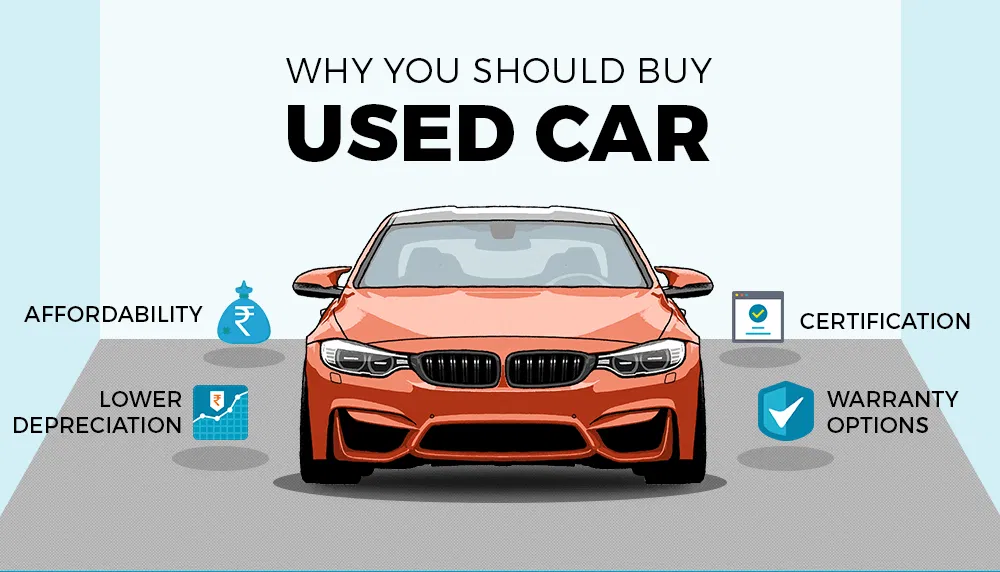
Used Cars: Complete Guide on Prices Tips Reliability and Buying
Why Buying a Used Car Makes Sense
Used Cars: Complete Guide on Prices, Tips, Reliability, and Buying Advice – Buying a used car can be a smart choice for many reasons. It’s often more affordable than a new car, and with proper research, you can find reliable vehicles that last for years. Whether you’re looking for your first car or upgrading without breaking the bank, understanding the used car market, prices, and reliability is essential.
A used car lets you get more value for your money. While new cars depreciate quickly in the first few years, a well-maintained used car can serve you for a long time with minimal investment.
Understanding Used Car Prices
Used car prices depend on several factors, including make, model, age, mileage, and condition. Knowing what influences the price helps buyers make informed decisions and avoid overpaying.
Age and Mileage
Generally, older cars with higher mileage cost less. However, mileage isn’t the only factor. A well-maintained car with regular service history can be more valuable than a newer car that hasn’t been cared for properly.
Make and Model
Some brands are known for reliability, while others may have higher maintenance costs. Popular models or cars in high demand can command higher prices, even if they are older.
Market Trends
Supply and demand also affect prices. Seasonal trends, availability of specific models, and changes in fuel prices can influence the cost of used cars. Keeping an eye on these trends helps buyers spot good deals.
Tips for Buying a Used Car
Finding the right used car requires preparation, research, and careful inspection. Here are some essential tips to guide your purchase.
Do Your Research
Before visiting dealerships or private sellers, research the cars you are interested in. Check reviews, common issues, and resale value. This knowledge helps you negotiate and avoid potential pitfalls.
Inspect the Vehicle
Always inspect the car thoroughly. Look for signs of wear, rust, or damage. Checking the tires, brakes, and engine is essential. If possible, bring a trusted mechanic to inspect the vehicle. A professional inspection can save you from expensive surprises later.
Test Drive
A test drive helps you understand how the car handles, accelerates, and brakes. Listen for unusual sounds and pay attention to comfort, visibility, and ease of driving.
Check the History
Request a vehicle history report to uncover past accidents, ownership, and service records. A clean history indicates the car has been well cared for, while repeated accidents or major repairs may signal trouble.
Reliability: Choosing Cars That Last
Reliability is key when buying a used car. Some brands and models are known for lasting hundreds of thousands of miles with minimal problems.
Factors Affecting Reliability
Regular maintenance, driving habits, and climate all influence a car’s longevity. Cars with a complete service history and fewer owners tend to be more reliable.
Recommended Reliable Models
While specific models vary by year and market, brands like Toyota, Honda, and Ford often rank highly for reliability. Research model-specific issues to ensure you choose a vehicle that meets your needs.
Financing and Budget Considerations
Used cars are often cheaper upfront, but understanding total ownership costs is crucial.
Setting a Budget
Determine how much you can afford for the purchase, insurance, and maintenance. Sticking to a budget prevents overspending and ensures the car fits comfortably into your finances.
Financing Options
Many buyers use loans or financing plans when purchasing a used car. Compare interest rates, terms, and monthly payments to find the best option. Paying cash can sometimes give leverage for better deals.
Additional Costs
Don’t forget insurance, registration, taxes, and routine maintenance. A seemingly cheap car can become costly if these factors aren’t considered.
Buying from Dealerships vs. Private Sellers
Each buying method has pros and cons.
Dealerships
Dealerships offer convenience, warranties, and certified pre-owned options. While prices may be slightly higher, the added security and support often make the extra cost worthwhile.
Private Sellers
Buying from private sellers can lead to better prices but comes with higher risk. There’s often no warranty, and you rely on the seller’s honesty. Conducting inspections and checking history reports is crucial here.
Negotiation: Getting the Best Deal
Negotiating is part of buying a used car. Be informed about market prices, the car’s condition, and comparable listings. Start with a reasonable offer and be ready to walk away if the deal doesn’t meet your expectations.
Factors That Strengthen Your Position
A car with minor cosmetic flaws, high mileage, or no service records may allow for a lower price. Being patient and exploring multiple options increases your chances of finding the best deal.
Final Advice: Making the Right Choice
Buying a used car requires a balance of research, inspection, and patience. Don’t rush the process. Take time to compare options, test drive vehicles, and understand their history and reliability.
A well-chosen used car can save money, provide reliable transportation, and even offer years of enjoyable ownership. By focusing on prices, tips, reliability, and careful buying practices, you can make a purchase that meets your needs without surprises.
Conclusion: Smart Buying Leads to Happy Ownership
Used cars offer affordability and flexibility for anyone looking to own a vehicle. Understanding prices, conducting proper research, and evaluating reliability ensures that your investment is sound.
By following these guidelines, you can confidently navigate the used car market, find a car that suits your lifestyle, and enjoy the peace of mind that comes with a smart, informed purchase. With patience and preparation, buying a used car can be a rewarding experience rather than a stressful one.

Top Used Cars For Sale 2026 Reliable Models Reviews And Prices
Top Used Cars For Sale 2026 Reliable Models Reviews And Prices – Looking for a dependable used car in 2026 can feel overwhelming. With so many options out there, it’s easy to get lost in listings, specs, and price tags. But here’s the good news: you don’t have to figure everything out alone. This guide walks you through some of the most reliable used cars on the market, what makes them stand out, and how much you can expect to pay. Whether you’re buying your first car, upgrading, or just looking for a smart budget choice, there’s something here for you.
The used car market in 2026 remains strong. Even though new car prices are starting to settle, many buyers still prefer used cars because they offer excellent value without the instant depreciation that new cars suffer. If you choose wisely, a used car can serve you well for many years with fewer worries.
What Makes a Used Car Worth Buying in 2026
When shopping for a used car, reliability should be at the top of your list. A great used car isn’t just one that starts every morning. It’s a vehicle with a strong reputation for long-term performance, affordable maintenance, and durable parts. Some cars are known to last well beyond 200,000 miles if cared for properly. That’s the kind of track record smart buyers look for.
Fuel efficiency is another factor that matters a lot in 2026. Even though fuel prices fluctuate, cars with better gas mileage will always save you money over time. Many of the models in this guide strike a good balance between performance and efficiency, making them ideal for both commuters and families.
Compact Cars with Big Value
Compact cars often top the list of best used cars because they are typically more affordable to buy and cheaper to maintain. These models are easy to park, comfortable to drive in city traffic, and friendly on fuel economy. Many buyers find that compact used cars are perfect for daily errands and long drives alike.
These vehicles may lack some of the bells and whistles of luxury cars, but what they offer instead is consistency. Owners regularly praise their smooth handling and low ownership costs. In 2026, certain compact models continue to be favorites among buyers who want reliability without spending too much.
Sedans That Still Impress
Sedans remain one of the most popular choices in the used car market. While SUV and crossover sales have been booming in recent years, sedans still impress with their balanced ride quality, efficient engines, and spacious interiors. If you want a used car that feels stable, comfortable, and confident on the road, there are several standout sedans worth considering.
Many of these sedans also come with modern safety features and thoughtful design. Even older models have held up well because of strong engineering and regular maintenance by their previous owners. In 2026, you can find sedans that feel just as solid and enjoyable as they did when they were new.
SUVs and Crossovers That Deliver
SUVs and crossovers have become household favorites, and for good reason. They offer extra space, higher seating positions, and often better visibility on the road. For families or drivers who want versatility without breaking the bank, used SUVs and crossovers are a smart choice.
In the used car market, some models stand out for offering reliability similar to sedans but with the added benefit of cargo space and all-weather performance. Whether you need room for passengers, gear, or both, there are dependable options available that still fall within a reasonable price range.
Reviews and Real-World Performance
Reading reviews from real owners can be incredibly helpful when evaluating used cars. While expert reviews are useful, everyday drivers often share insights that matter most—like how a car handles in heavy traffic, how expensive parts and repairs are, and how a vehicle holds up after years of use.
Many buyers in 2026 rely on forums, social groups, and owner reviews to get a feel for a used car’s personality. These voices help paint a clearer picture than spec sheets alone. After all, reliability isn’t just about numbers—it’s about how a car actually feels and performs day after day.
Prices: What to Expect in 2026
Used car prices have fluctuated over the past few years, but 2026 shows some stabilization. Even so, prices still vary widely based on mileage, condition, location, and demand. Popular models often carry higher price tags, especially if they have a proven history of reliability.
Generally, you’ll find that cars five to seven years old offer great value. They’ve already taken most of the depreciation hit but are still modern enough to feel comfortable and safe. Buyers working with a budget can often find excellent choices in this age range.
Tips Before You Buy
It’s always smart to take a few extra steps before finalizing a used car purchase. A thorough inspection by a trusted mechanic can reveal hidden issues that might cost you later. Looking at the service history also tells you a lot about how well the car was cared for.
Buying certified pre-owned is another way to reduce risk, as these vehicles often include warranty coverage and pass stricter inspections. However, regular used cars can be great bargains if they come from honest sellers and have documented maintenance records.
Final Thoughts on the Best Used Cars in 2026
The used car market in 2026 is full of opportunities. Reliable models at fair prices are still out there—you just have to know where to look and what to look for. The key is prioritizing reliability, reasonable pricing, and real-world feedback from owners.
Whether you prefer the practical appeal of a compact car, the balanced ride of a sedan, or the versatility of an SUV, there are strong contenders in every category. With a bit of research and patience, you can find a used car that meets your needs and gives you confidence for the road ahead.
Remember, a used car isn’t just about price—it’s about value. Choose wisely, and you’ll enjoy year after year of reliable driving without the stress of big payments or unpredictable repairs.

Best Used Cars 2026 Top Reliable Picks Under Budget Guide
Best Used Cars 2026 Top Reliable Picks Under Budget Guide – Buying a used car in 2026 is a smart move for many people. With rising prices on new vehicles, more buyers are turning to the used car market to get reliable transportation without spending too much. The good news is that there are still plenty of dependable used cars that offer great value if you know what to look for.
This guide is designed to help you understand which used cars are worth considering in 2026, especially if you are shopping on a budget. It focuses on reliability, long-term value, and practical ownership rather than hype.
Why Used Cars Are a Smart Choice in 2026
The used car market in 2026 continues to attract budget-conscious buyers. New car prices remain high, and depreciation hits hardest during the first few years of ownership. By choosing a used car, you avoid that early value drop while still getting a vehicle that can last for years.
Modern cars are built better than ever. Many used vehicles on the road today are capable of reaching high mileage with proper maintenance. This makes buying used less risky than it was in the past.
What Makes a Used Car Reliable
Reliability is one of the most important factors when shopping for a used car. In 2026, buyers are more informed and expect vehicles to perform well over time.
A reliable used car usually has a strong maintenance history, a proven engine and transmission, and a reputation for durability. Models that have been on the market for several years often show patterns that make it easier to predict long-term performance.
Budget-Friendly Used Cars That Still Deliver Value
Many used cars under budget in 2026 offer impressive value. These vehicles may not have the latest features, but they excel in areas that matter most, such as fuel efficiency, comfort, and reliability.
Sedans remain popular for budget buyers because they are often more affordable and cheaper to maintain. Compact SUVs are also a strong option for buyers who want extra space without a large price tag. The key is finding a balance between price, condition, and long-term costs.
Fuel Efficiency Matters More Than Ever
Fuel costs continue to influence buying decisions in 2026. Choosing a used car with good fuel efficiency can save a significant amount of money over time.
Many older models still deliver excellent mileage and do not require expensive technology to do so. For daily commuting and city driving, fuel-efficient used cars are often the smartest choice.
Maintenance Costs and Ownership Experience
When buying a used car, the purchase price is only part of the equation. Maintenance and repair costs can have a big impact on overall ownership satisfaction.
Reliable used cars tend to have widely available parts and simple mechanical designs. This makes them easier and cheaper to maintain. In 2026, buyers are advised to consider vehicles with a strong track record of affordable repairs.
Certified Pre-Owned vs Regular Used Cars
Certified pre-owned vehicles continue to be popular in 2026. These cars are inspected and often come with limited warranties, offering extra peace of mind.
However, regular used cars can still be a great deal if they have been well cared for. Many budget buyers choose non-certified vehicles to save money upfront, especially when buying from trusted sellers or private owners.
Used SUVs and Crossovers on a Budget
SUVs and crossovers remain in high demand. In 2026, many budget-friendly used SUVs offer good safety features, comfortable interiors, and practical cargo space.
These vehicles are ideal for families or buyers who want versatility without paying new car prices. Choosing a used SUV from a reliable generation can provide years of dependable use.
How to Inspect a Used Car Before Buying
Inspection is a crucial step when buying a used car. Even reliable models can have issues if they were poorly maintained.
A thorough inspection helps identify potential problems early. Checking service records, test driving the car, and having a professional inspection done can prevent expensive surprises later. In 2026, smart buyers never skip this step.
Financing Used Cars in 2026
Used car financing remains widely available in 2026. Many lenders offer competitive rates, especially for reliable models with good resale value.
Buyers are encouraged to compare financing options and understand loan terms before committing. A well-planned budget makes used car ownership far more comfortable.
Final Thoughts on Buying the Best Used Cars in 2026
Finding the best used cars in 2026 does not require spending a fortune. With careful research and smart choices, buyers can find reliable vehicles that fit their budget and lifestyle.
The used car market offers many dependable options for those willing to look beyond brand-new models. By focusing on reliability, maintenance costs, and overall value, you can drive away with confidence knowing you made a smart purchase.